Order Tracking
 0800 1422417
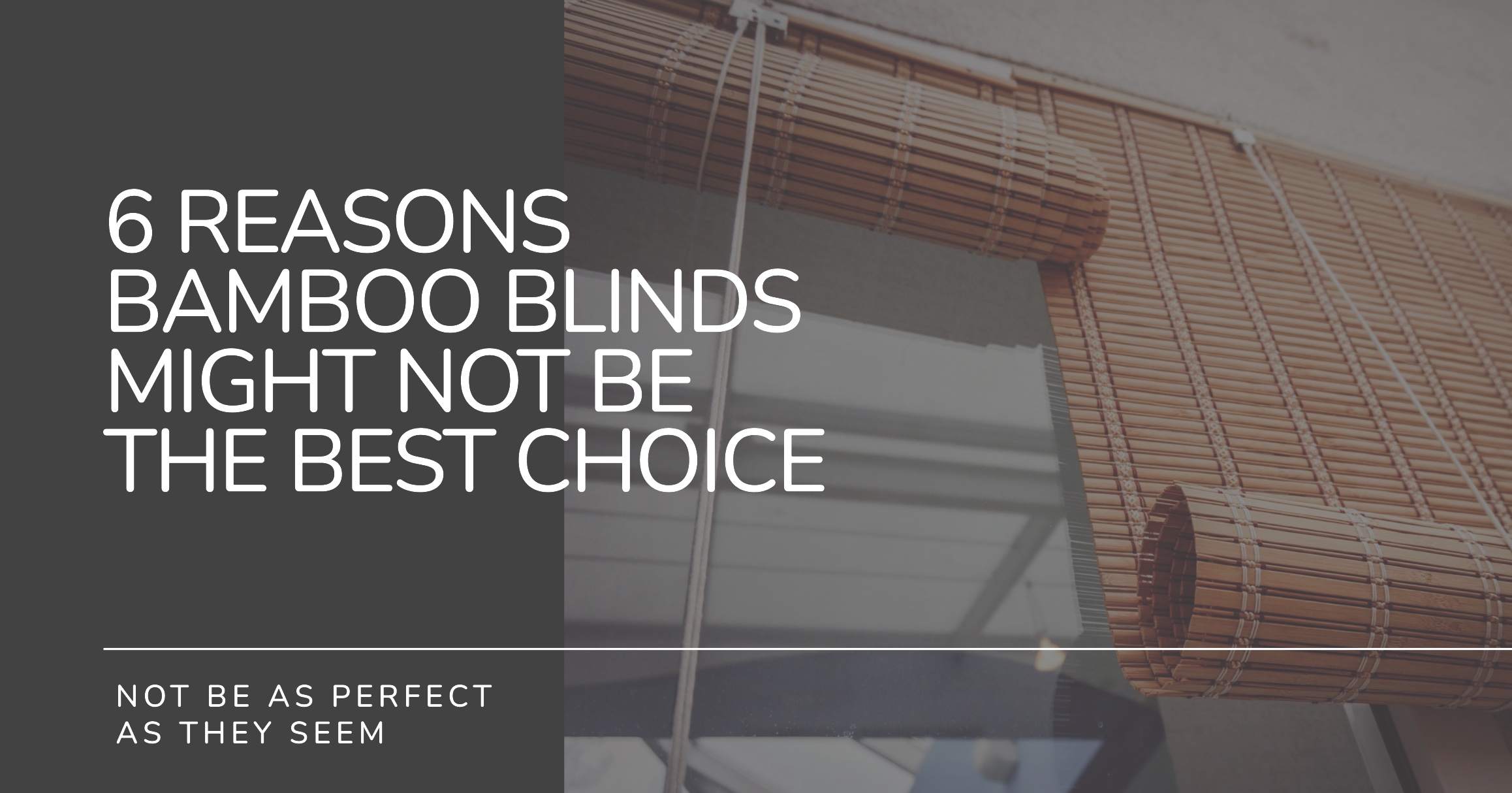
Bamboo blinds have surged in popularity, praised for their natural beauty, eco-friendly appeal, and ability to bring a touch of organic charm into any space. Their lightweight construction and earthy textures make them a go-to choice for homeowners looking to create a warm and inviting atmosphere. However, while they may seem like the perfect balance of style and sustainability, there are several lesser-known drawbacks that aren’t always discussed.
The Problems With Bamboo Blinds
Excessive Light Filtering – Not as Private as You Might Expect
Bamboo blinds are often praised for their natural, airy feel, but one major drawback is their tendency to let in more light than expected. Unlike blackout blinds or thicker fabric options, bamboo slats typically have small gaps between them, allowing sunlight to seep through even when fully closed. This can be particularly problematic in bedrooms or spaces where you want total darkness, making early mornings brighter than desired.
Furthermore, bamboo blinds don’t always provide complete privacy. During the daytime, they might offer enough coverage, but at night, when indoor lights are on, silhouettes and movements can often be visible from outside. If privacy is a priority, additional liners or curtains may be necessary, which can add to the overall cost and complexity of your window treatment. While their natural aesthetic is appealing, bamboo blinds may not be the best option for those needing a dark, fully private space.
Limited Durability – Not Built to Last Forever
While bamboo blinds have an organic charm, they lack the durability of some alternative materials like aluminium or PVC. Bamboo is a natural material, which means it can be more prone to warping, splitting, or cracking over time, especially in homes with fluctuating humidity levels. Unlike synthetic blinds designed for longevity, bamboo blinds may show signs of wear and tear much sooner.
Another concern is their susceptibility to accidental damage. The thin bamboo slats can snap if handled too roughly, and pets or young children may easily damage them. Additionally, the cords and mechanisms that operate bamboo blinds might not be as robust as those found in high-end window treatments, leading to potential operational issues down the line. If you’re looking for blinds that will stand the test of time with minimal upkeep, bamboo might not be the most practical choice.
Overly Time-Consuming to Clean – More Work Than Expected
Bamboo blinds might seem like a low-maintenance choice, but cleaning them can be surprisingly tedious. Unlike smooth surfaces such as roller blinds or Venetian blinds, bamboo blinds have numerous slats and woven threads that easily trap dust, dirt, and even small insects. Cleaning them thoroughly requires more than just a quick wipe-down – dusting each slat individually and getting into the woven crevices can take a significant amount of time.
Moisture-based cleaning is also tricky. Using too much water can lead to swelling or warping, and certain cleaning products might cause discolouration or deterioration of the natural fibres. Unlike synthetic blinds that can be quickly wiped with a damp cloth, bamboo blinds require gentle care and regular maintenance to keep them looking their best. If you prefer a fuss-free window covering, the effort required to clean bamboo blinds might be a dealbreaker.
Likely to Fade Over Time – Sunlight Takes Its Toll
One of the lesser-discussed downsides of bamboo blinds is their vulnerability to fading. Because they are made from natural plant fibres, prolonged exposure to direct sunlight can cause noticeable discolouration. Over time, what starts as a rich, warm-toned blind can fade into a paler, uneven shade, making your once-stylish window covering look worn and tired.
This problem is particularly noticeable in south-facing rooms where the sun is at its strongest. Unlike UV-resistant synthetic materials, bamboo does not have built-in sun protection, meaning that unless your blinds are in a shaded area, they will gradually lose their vibrancy. Some people enjoy the ‘weathered’ look, but for those who prefer a consistent colour, this fading effect can be frustrating. Using UV-protective sprays or applying a protective sealant can slow down the process, but these extra steps add to the overall maintenance of bamboo blinds.
A Habitat for Mould and Mildew – A Risk in Damp Environments
Bamboo’s natural appeal comes with a downside: it can be highly susceptible to mould and mildew in damp conditions. Unlike synthetic blinds that resist moisture, bamboo is an organic material that absorbs humidity, making it a breeding ground for fungal growth in bathrooms, kitchens, and other humid areas.
This issue isn’t just cosmetic; mould can lead to unpleasant odours and even health concerns for those sensitive to airborne spores. Once mildew takes hold, removing it can be a challenge. Harsh chemical cleaners can damage the bamboo, while excessive scrubbing may cause splintering or fraying. If you live in a particularly humid climate, bamboo blinds might not be the best choice unless they are regularly aired out and treated with anti-mould sprays. Choosing a more moisture-resistant material, such as PVC or aluminium, may be a better long-term solution for damp environments.
Limited Customisation – Not as Versatile as Other Blinds
Bamboo blinds offer a natural, rustic look, but when it comes to customisation, options can be quite limited. Unlike fabric blinds, which come in countless colours, textures, and patterns, bamboo blinds tend to be available in a small selection of wood tones. While these earthy shades complement many interiors, they may not suit all design preferences, especially if you’re looking for something vibrant or modern.
Additionally, styling choices are somewhat restricted. Bamboo blinds are typically available in either roll-up or Roman-style designs, with fewer variations than fabric or metal blinds. If you want a sleek, contemporary finish or specific colour-matching for your décor, bamboo blinds might not give you the level of personalisation you need. While they certainly have their charm, they don’t offer the same design flexibility as other window treatments, making them a less adaptable choice for those wanting a more tailored aesthetic.
Alternatives to Bamboo Blinds – Why Faux Wood Blinds Are a Superior Choice
If you love the natural aesthetic of bamboo blinds but want something with more durability, moisture resistance, and customisation options, faux wood blinds could be the perfect alternative. These stylish window coverings offer the warm, organic look of real wood or bamboo but with added resilience, making them a smarter long-term investment. Here’s why faux wood blinds stand out as a fantastic replacement for bamboo blinds.
Superior Durability – Built to Last
One of the main drawbacks of bamboo blinds is their tendency to warp, crack, or fade over time. Faux wood blinds, on the other hand, are designed to be highly durable, maintaining their shape and strength for years. Made from composite materials such as PVC or vinyl, faux wood blinds can withstand daily wear and tear far better than natural bamboo. Whether you have children, pets, or simply want a hassle-free window covering, faux wood blinds are a reliable option that won’t deteriorate quickly.
Moisture-Resistant – Ideal for Any Room
Unlike bamboo, which absorbs moisture and can develop mould or mildew in humid conditions, faux wood blinds are 100% moisture-resistant. This makes them perfect for bathrooms, kitchens, and any other space where condensation is a concern. You won’t have to worry about swelling, warping, or an unpleasant damp smell—faux wood blinds retain their appearance and functionality, even in high-humidity areas. If you’ve ever struggled with mould growth on bamboo blinds, switching to faux wood will save you a lot of maintenance headaches.
Customisation Options – More Styles to Suit Your Home
Bamboo blinds often come in limited natural tones, making it difficult to match them perfectly to your décor. Faux wood blinds, however, offer a far greater range of customisation options. Available in various wood grain finishes, colours, and slat sizes, you can choose a look that seamlessly blends with your interior style. Whether you prefer crisp white for a modern touch or rich oak tones for a cosy feel, faux wood blinds provide the flexibility to achieve your desired aesthetic.
Effortless Maintenance – A Practical Choice
Cleaning bamboo blinds can be a time-consuming task due to their textured surface and woven gaps, which trap dust and dirt. Faux wood blinds, in contrast, are incredibly easy to maintain. A simple wipe with a damp cloth is enough to keep them looking fresh, and unlike bamboo, they don’t require special treatments to prevent deterioration. If convenience is a priority, faux wood blinds make day-to-day upkeep effortless.
Discover Faux Wood Blinds at DotcomBlinds
If you love the look of bamboo but want a more durable, moisture-resistant, and low-maintenance alternative, faux wood blinds are the perfect solution. At DotcomBlinds, we offer a stunning range of high-quality faux wood blinds, designed to bring the warmth of natural wood with the practicality of modern materials. Whether you’re after classic white slats for a fresh, contemporary feel or rich wood tones for a cosy, traditional touch, you’ll find a style to suit your space.
Not sure which colour or finish is right for you? Order free samples today and see the quality for yourself before making a decision. Browse our full range of faux wood blinds here and transform your windows with blinds that combine beauty, functionality, and longevity.