Order Tracking
 0800 1422417
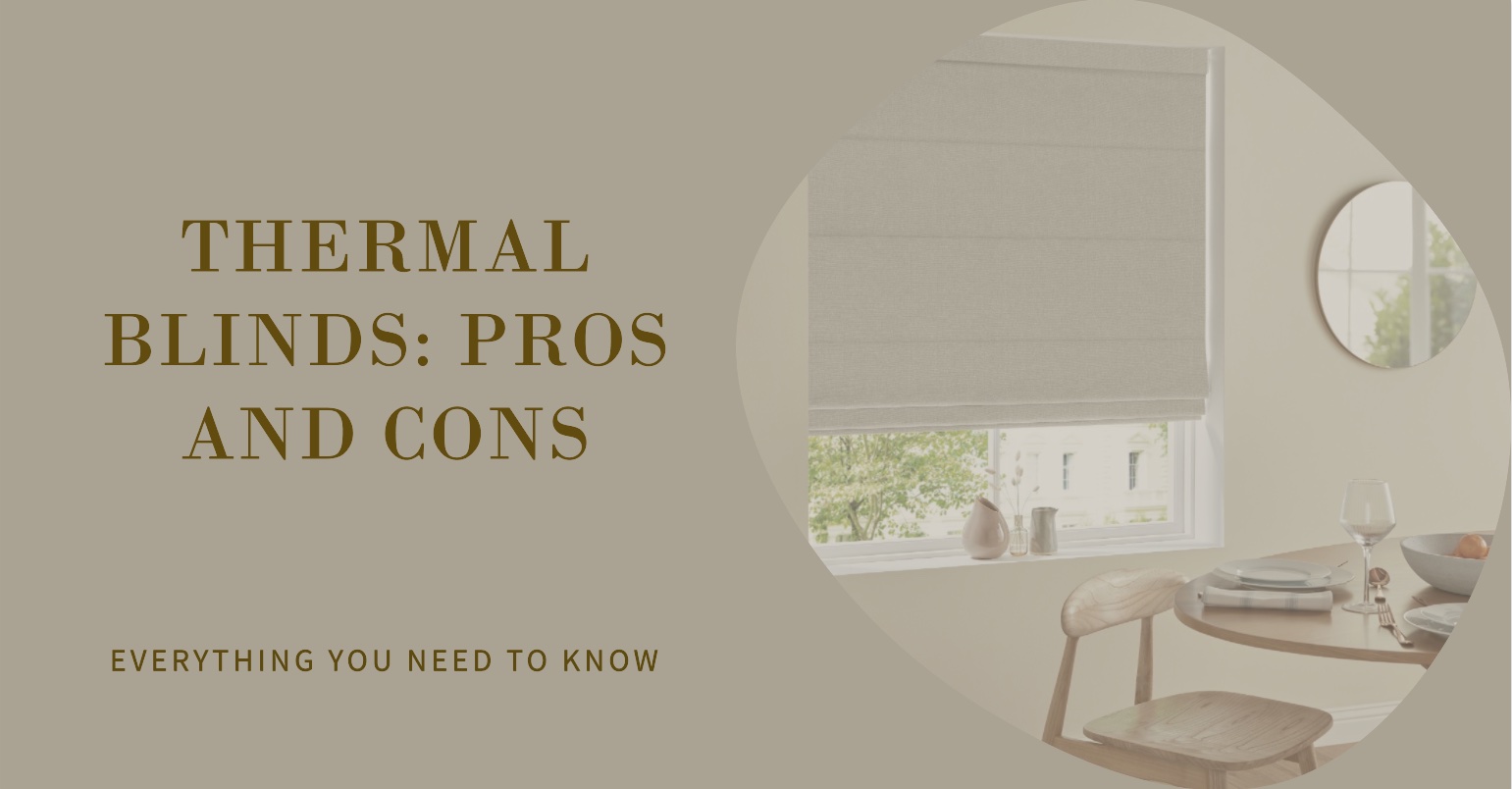
In today’s energy-conscious world, homeowners and renters alike are continuously looking for ways to enhance the comfort and efficiency of their living spaces. Thermal blinds represent a popular choice among those seeking to improve their home’s insulation, reduce energy costs, and increase privacy. However, like any home improvement solution, thermal blinds come with their own set of advantages and disadvantages. Understanding these can help you make an informed decision about whether they are the right choice for your needs. Whether you’re aiming to create a more sustainable home, looking to cut down on utility bills, or simply want to upgrade your space for better comfort, exploring the ins and outs of thermal blinds is a worthwhile endeavour. This article will guide you through the key benefits and potential drawbacks of integrating thermal blinds into your home, helping you weigh your options with clarity and confidence.
Advantages of Thermal Blinds

Energy Efficiency
Thermal blinds are an excellent choice for homeowners looking to enhance their home’s energy efficiency. These blinds are designed with special materials that act as insulators, keeping your home warmer in the winter and cooler in the summer. By creating a barrier against heat loss through windows, thermal blinds can significantly reduce the need for heating and cooling, thereby lowering energy bills. Not only does this make your living space more comfortable, but it also contributes to a smaller carbon footprint. With energy prices on the rise, investing in thermal blinds is a smart way to promote sustainability while keeping your home cosy and energy-efficient throughout the year.
Light Reduction
If you’re seeking a solution to reduce glare and control the amount of light entering your home, thermal blinds are an ideal option. These blinds are constructed with thick, opaque materials that effectively block out unwanted light. This is particularly beneficial in rooms where excessive sunlight can cause discomfort or where screen visibility is crucial, such as in living rooms or home offices. By dimming bright sunlight, thermal blinds help create a softer, more ambient environment, enhancing the comfort and usability of your space. Whether you’re watching TV, working on a computer, or just relaxing, these blinds ensure that you can manage lighting to suit your needs without sacrificing privacy or style.
Improved Sleep Quality
Enhancing your sleep environment is crucial for good health, and thermal blinds can play a pivotal role in this. By blocking out light and insulating against temperature fluctuations, these blinds help create an optimal sleeping atmosphere, conducive to uninterrupted sleep. Particularly in bedrooms facing the sunrise or in urban areas with street lights, thermal blinds can ensure darkness, signalling to your body that it’s time to wind down. The additional layer of insulation also helps maintain a consistent room temperature, which is essential for entering and sustaining deep sleep cycles. Investing in thermal blinds could be your step towards better sleep quality, waking up refreshed and ready for the day.
Noise Reduction
For those living in noisy environments, thermal blinds offer a surprising benefit: noise reduction. The thick materials used in these blinds can help dampen sound from outside, such as traffic, construction, and urban hustle. This creates a quieter, more serene indoor environment, which is especially beneficial in home offices or bedrooms where peace is paramount. By installing thermal blinds, you can enjoy a reduction in sound intrusion, making your home a tranquil retreat from the noisy world outside. Whether it’s to help you focus while working from home or to ensure a restful night’s sleep, thermal blinds can make a significant difference in your auditory experience.
Temperature Control
Thermal blinds excel in maintaining a comfortable indoor temperature regardless of the season. These blinds work by reflecting heat back into the room during winter and blocking out solar radiation in the summer, thus acting as a thermal shield for your windows. This temperature control capability not only enhances comfort but also reduces the reliance on heating and cooling systems, leading to lower energy consumption and costs. Whether it’s a chilly winter day or a scorching summer afternoon, thermal blinds help you maintain a stable and comfortable indoor environment without constantly adjusting your thermostat.
Improved Indoor Air Quality
Thermal blinds can contribute positively to indoor air quality by reducing drafts and the influx of external pollutants. By sealing windows effectively, these blinds help minimize dust, pollen, and other outdoor allergens that can penetrate indoors, creating a cleaner, healthier air environment inside your home. This is particularly advantageous for allergy sufferers or anyone looking to improve the overall air quality of their living spaces. Cleaner indoor air means fewer irritants, which can lead to improved respiratory health and overall well-being for you and your family.
Degree of Privacy
Privacy in your home is non-negotiable, and thermal blinds offer an effective way to shield your interior from outside eyes. The opaque material and snug fit provide a physical barrier that ensures your activities remain invisible to neighbours and passersby. Whether you live in a busy urban area or just prefer an extra layer of seclusion, thermal blinds give you the control to protect your privacy. With these blinds, you can enjoy your personal space without worrying about prying eyes, adding a sense of security and peace of mind.
Functional Aesthetics
Thermal blinds are not only practical but also stylishly versatile. Available in a range of colours, patterns, and materials, they can complement any interior décor style. From minimalist and modern to traditional and cosy, there’s a thermal blind to suit every taste. These blinds don’t just serve a functional purpose; they also enhance the aesthetic appeal of your windows, acting as a focal point or seamlessly integrating with the rest of your room’s design. With thermal blinds, you don’t have to compromise on style for comfort, making them a superb addition to both the functionality and appearance of your home.
Disadvantages of Thermal Blinds

Higher Initial Cost
Investing in thermal blinds often involves a higher initial outlay compared to regular blinds. This is due to the specialised materials and technology used to enhance their insulating properties. However, it’s important to consider this as an investment in your home’s energy efficiency. Over time, the cost of thermal blinds can be offset by the savings on your energy bills, thanks to their ability to maintain indoor temperatures more effectively. Additionally, the comfort and privacy they offer can make this initial expense worthwhile, especially if you value a cozy, well-regulated home environment. Viewing thermal blinds through the lens of long-term savings and benefits might help justify the upfront costs associated with their superior qualities.
Potential for Condensation
One of the drawbacks of thermal blinds is the potential for condensation. This happens because the blinds increase the surface temperature difference between the inside and outside of the window. When warm, moist air inside your home meets the cold surface of a window covered by a thermal blind, condensation can occur. Although this doesn’t undermine their insulation benefits, it’s something to be aware of, especially in climates with high humidity levels. To mitigate this issue, it’s a good idea to ensure proper ventilation in the room. Occasionally opening the blinds to allow air to circulate can help reduce moisture buildup, maintaining clear windows and a healthy indoor environment.
Light Filtering Efficiency
While thermal blinds are excellent for temperature control, they might not completely block out light compared to dedicated blackout blinds. If total darkness is essential for your sleep or home cinema setup, you might find thermal blinds slightly less effective. However, many find that thermal blinds strike a good balance, reducing light substantially while also insulating their rooms. For those who need absolute darkness, layering thermal blinds with blackout curtains could be an effective solution, combining the best of both functionalities—temperature control and complete light blockage.
Cleaning Challenges
Thermal blinds, with their unique fabric and structure designed for insulation, can be more challenging to clean than ordinary blinds. The textured and often multi-layered materials can trap dust and allergens more readily. Regular cleaning is important to maintain their appearance and functionality, which may involve vacuuming with an upholstery attachment or following specific care instructions to avoid damaging their insulative properties. While this means a bit more effort in their upkeep, the benefits of having a warmer and more energy-efficient home generally outweigh the extra cleaning tasks.
Reduced Airflow
Installing thermal blinds can lead to reduced airflow in your rooms, which might be a concern in areas where air circulation is needed to keep the environment fresh and healthy. By creating a seal around the window, these blinds keep cold air out but also prevent the natural flow of air into the room. To overcome this, you can strategically open windows in other areas of your home or use air purifiers and fans to maintain good air quality and circulation. It’s all about finding the right balance between enjoying the thermal benefits and maintaining a fresh, airy atmosphere in your home.
Limited Styles
While thermal blinds are available in various designs and colours, the range might not be as extensive as that of traditional blinds. This is because the focus is on their functionality—specifically their ability to insulate. However, many manufacturers are tuning into the demand for both style and efficiency, expanding their offerings to include more fashionable options that meet aesthetic desires. Shopping around or consulting with custom blind manufacturers could lead you to find thermal blinds that don’t just fit your functional needs but also your personal style preferences, ensuring your décor doesn’t have to be compromised for comfort.
Why We Love Thermal Blinds at DotComBlinds
Despite some challenges, thermal blinds offer compelling benefits that make them a preferred choice for many homeowners. The advantages of enhanced energy efficiency, improved indoor comfort, and increased privacy can significantly outweigh the concerns regarding cost and style limitations. By choosing thermal blinds, you are not only investing in a product that will keep your home warmer in the winter and cooler in the summer, but you are also supporting your overall well-being with better sleep quality and reduced noise intrusion. For those concerned about the environmental impact, the energy savings provided by thermal blinds contribute to a smaller carbon footprint, aligning with eco-friendly home practices.
Moreover, advancements in design and technology are continuously broadening the range of styles and features available, making it easier to find options that fit both your functional needs and aesthetic preferences. Considering the long-term savings on energy bills, the comfort adjustments that can be achieved, and the suitability of these blinds for a variety of settings, thermal blinds are an excellent investment for those looking to enhance their living environment. Opt for thermal blinds today to enjoy a more comfortable, private, and stylish home tomorrow.