Order Tracking
 0800 1422417
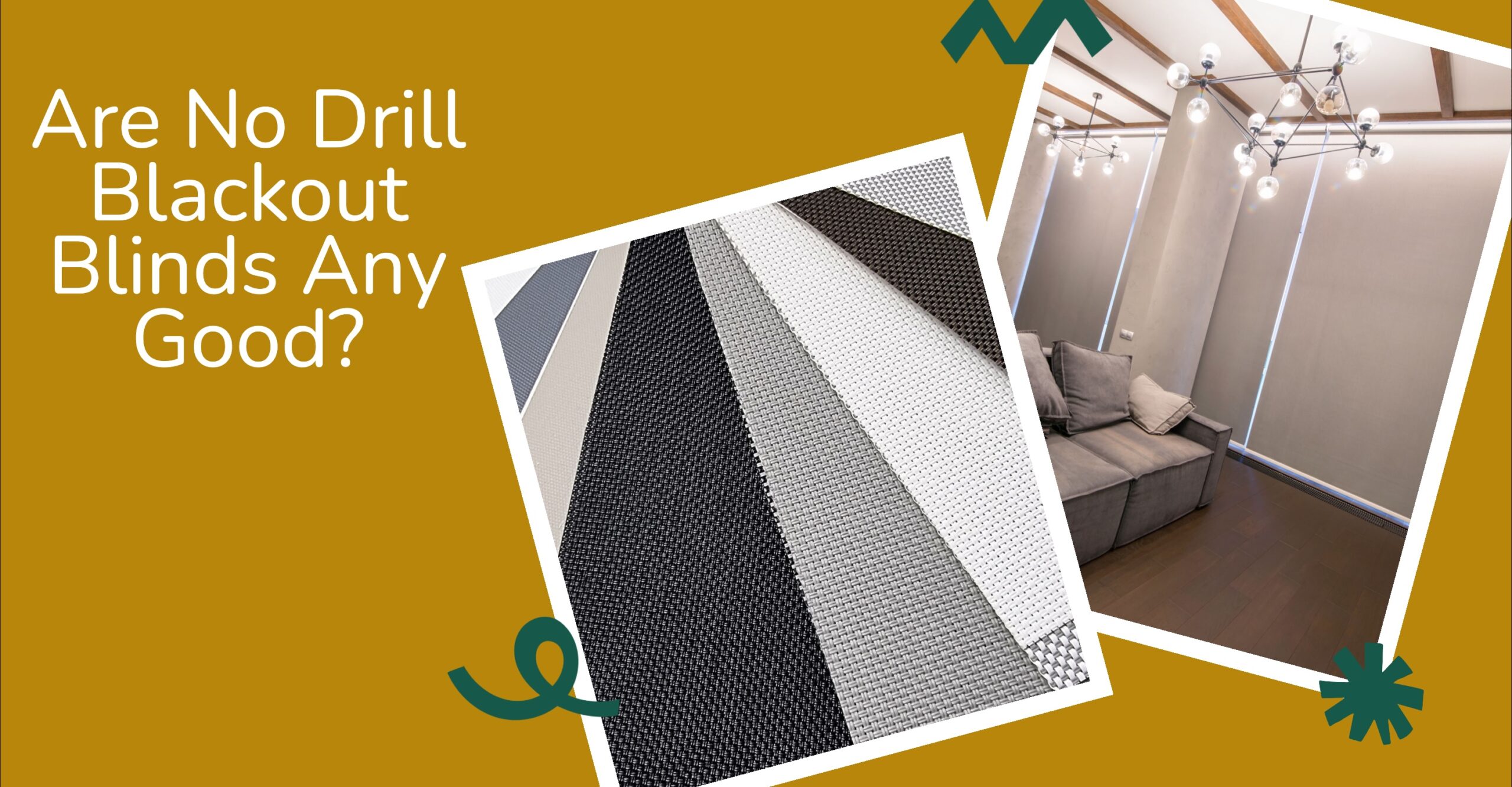
When it comes to creating a darker, more comfortable room, blackout blinds are often the go-to choice. But what if you don’t want the hassle of drilling holes or leaving permanent marks on your walls and window frames? That’s where no-drill blackout blinds come in — promising quick installation, zero damage, and the flexibility to take them down whenever you need.
Of course, with convenience comes compromise. While no-drill blackout blinds can be a smart solution for renters, students, or anyone looking for a temporary fix, they also have some limitations in terms of security, durability, and light control.
In this guide, we’ll take a balanced look at their strengths and weaknesses, help you decide whether they’re the right choice for your space, and highlight the features to look for if you want the best possible performance. Here’s what we’ll cover:
- 7 Pros of No-Drill Blackout Blinds
- 7 Cons of No-Drill Blackout Blinds
- How to Decide If They Suit Your Needs
- What to Look for When Buying a No-Drill Blackout Blind
By the end, you’ll know exactly whether no-drill blackout blinds are worth it — and how to pick a model that delivers the best blackout performance without a single screw.
7 Pros of No-Drill Blackout Blinds
If you’re considering blackout blinds but don’t want the hassle of drilling, no-drill blackout blinds can be a brilliant solution. Here are seven clear advantages that make them a popular choice.
1. Fast, Hassle-Free Installation
The biggest selling point of no-drill blackout blinds is speed. You don’t need tools, measuring tapes, or DIY skills to get them up and running. Most systems use tension, adhesive strips, or clip-on fittings that can be installed in minutes. For anyone who wants instant results without the stress of DIY, they’re a perfect fit.
2. Perfect for Renters — No Damage to Walls or Frames
Because no drilling is required, you won’t have to worry about leaving holes in walls, trim, or expensive window frames. This makes them an ideal option for renters who need to protect their deposit, or for homeowners who simply don’t want permanent marks on their property.
3. Portable and Reusable
Unlike permanent blinds, no-drill blackout blinds can be easily taken down and reused elsewhere. If you’re moving house, switching rooms, or living in short-term accommodation, you can simply pack them up and reinstall them in your new space. This makes them especially useful for students, frequent movers, and even landlords setting up temporary blackout solutions for guests.
4. Works on Difficult-to-Drill Surfaces
Not all windows are easy to fit blinds to. Materials such as PVC, metal, or stone can make drilling tricky or even impossible. No-drill blinds solve this problem by offering a reliable way to get blackout coverage without touching a drill, ensuring you can dress windows that would otherwise be left bare.
5. Instant Blackout Effect
When you need a dark room straight away — whether that’s for shift work, a nursery, or blocking harsh afternoon sun — no-drill blackout blinds are the fastest option. There’s no waiting for professional fitters or custom orders. You can transform a bright room into a restful space in less than an hour.
6. No Tools or DIY Skills Needed
These blinds are designed for simplicity. In most cases, all you’ll need is a step stool to reach the top of the window. Even if you’ve never attempted any kind of DIY before, no-drill blackout blinds are accessible, with simple instructions that almost anyone can follow.
7. Affordable Blackout Solution
Finally, no-drill blackout blinds are often more cost-effective than permanent options. Their lightweight fabrics and simple mechanisms keep prices lower, while still providing highly effective light control. If you want blackout performance without the premium price tag of custom installations, they’re an excellent value choice.
7 Cons of No-Drill Blackout Blinds
While no-drill blackout blinds offer convenience and speed, they do come with some compromises. Here are seven drawbacks to keep in mind before deciding if they’re right for you.
1. Less Secure and Prone to Falling
Because they’re held in place with tension rods, adhesive strips, or clips instead of permanent screws, no-drill blackout blinds are not as secure. A strong pull, a sudden draft, or repeated daily use can cause them to slip or even fall. Adhesives may lose their stickiness over time, and spring tension can weaken, making them less reliable than drilled-in blinds.
2. Risk of Frame or Paint Damage
Although they avoid drill holes, no-drill blinds can still cause damage in other ways. Adhesive pads may strip paint or leave stubborn residue behind, while tension rods can scuff, dent, or even crack softer window frames if overtightened or if they shift in use.
3. Limited Size and Weight Capacity
Non-permanent fittings can only hold so much weight. This means you’re usually restricted to lightweight fabrics and smaller blinds. If you have a large window or want a heavy-duty blackout fabric, a no-drill option may not be strong enough to stay in place long term.
4. Light Leakage Around the Edges
For a room to be completely dark, blinds need to fit tightly with no gaps. No-drill blackout blinds often sit slightly away from the frame due to their fixing method, leaving small gaps around the edges. Even a thin strip of light can be noticeable in bedrooms or nurseries where true blackout is the goal.
5. Fit Can Vary Across Windows
No-drill blackout blinds are not always universally compatible. They rely on the size, depth, and shape of your window recess, which can cause issues. Shallow frames, uneven surfaces, or obstructions like window handles may prevent a secure or flush fit, limiting where you can use them effectively.
6. Shorter Lifespan Compared to Permanent Blinds
Permanent blinds are built with robust brackets and fittings designed for long-term use. No-drill alternatives, by contrast, use plastic clips, spring-loaded rods, or adhesives that can wear out faster. If you plan to use blackout blinds every day, you may find no-drill versions need replacing sooner.
7. Sagging and Slipping Over Time
Tension-mounted blinds, especially on wide windows, can sag in the middle or lose grip at the sides. Regular pulling up and down may cause the fittings to loosen, requiring frequent adjustments. Over time, this can become frustrating if you need to keep re-tightening or repositioning the blind.
Determining If No-Drill Blackout Blinds Suit You
No-drill blackout blinds aren’t a one-size-fits-all solution. To make sure they’re right for your home, it helps to think about how you’ll use them and what type of windows you have. Use the table below to check whether their potential drawbacks would be an issue in your situation.
| To Overcome the Con… | Ask Yourself These Questions… | No-Drill Suits You If… |
|---|---|---|
| Prone to Falling / Damage | Is the window used infrequently (e.g. a guest room)? Will you operate the blind gently? Are the frames sturdy (wood or metal rather than thin vinyl)? | You handle belongings with care and the blinds won’t be opened and closed constantly. |
| Poor Edge Light Blockage | Is total blackout absolutely essential (for shift work or a newborn), or would dimming be sufficient? | You can live with a slight “halo” of light around the edges, or you’re happy to use extra fixes like blackout tape or curtains. |
| Limited Weight Capacity | Are your windows small to medium in size? Are you fine with lightweight fabrics rather than heavy, insulated, or faux-wood blinds? | Your windows are average size and you don’t require heavy-duty blackout materials. |
| Inconsistent Fit | Is the inner recess of your window square, clean, and free of obstructions such as handles or locks? | Your recess provides a flat, even surface where tension rods or adhesive clips can grip securely. |
| Limited Longevity | Do you only need blinds for the short term (1–3 years), such as in a rental property or temporary nursery? | You’re happy with a short-term solution and expect to replace or upgrade later. |
This decision-making approach helps you see whether no-drill blackout blinds will work well for your space, or whether a more permanent installation might be worth considering.
What to Look for in a No-Drill Blackout Blind
Not all no-drill blackout blinds are made equal. The best models are designed to overcome the common issues of temporary fittings — from falling down to light leakage. When shopping, here are the key features to look out for.
A. Secure Fixing Mechanisms (Avoiding Falling and Slipping)
The way your blind is mounted is critical. A poor fixing system can lead to blinds slipping, sagging, or crashing down after only a few uses. Look for:
- Clip-In or ‘Simple-Fix’ Systems: These lock into the window bead (the rubber seal inside the recess) for a much sturdier hold than basic spring-loaded rods.
- Wide, Industrial-Strength Adhesives: If choosing an adhesive model, opt for blinds using VHB (Very High Bond) tape rather than cheap foam pads. A wider adhesive strip means a stronger grip.
- Side Channels for Extra Security: Premium cassette-style no-drill blinds include adhesive or tension-fit side rails. These not only hold the fabric in place but also stop the blind from being knocked out of position.
B. Features That Guarantee True Blackout (Eliminating Light Leaks)
If your goal is complete darkness, you need more than just opaque fabric. The fitting design matters just as much:
- Recess-Fit Designs: Always choose blinds made to fit inside the window recess, as this naturally minimises gaps at the edges.
- Integrated Side Channels or Rails: These are the single most effective way to block light halos. They create a tight seal between the blind and the frame, delivering true blackout performance.
- Fully Opaque Fabric: Check the fabric’s opacity rating. Hold a sample up to the light to ensure there are no pinholes or thin patches that will allow glare through.
C. Durability and Fit (Preventing Sagging and Frame Damage)
To make sure your no-drill blackout blinds last, pay attention to their build quality and compatibility with your windows:
- High-Quality Tension Mechanisms: If you choose tension rods, look for large rubberised end caps that grip without scratching, and ratchet-style twist-to-tighten systems rather than weak springs.
- Rigid Roller Tubes with Lightweight Fabric: A strong roller tube paired with lightweight fabric prevents sagging on wider blinds. This balance gives you strength without excess weight.
- Frame Compatibility: Always measure your recess depth and width before buying. Choose blinds that specifically list compatibility with your type of frame material (PVC, wood, or metal). This ensures a snug, reliable fit.
FAQ: No-Drill Blackout Blinds
Q: What exactly defines a ‘no-drill’ blackout blind?
A: A no-drill blind is any blackout blind that can be installed without drilling holes or using permanent screws. Instead, they rely on temporary fixing systems such as tension rods, adhesive strips, or clip-in brackets that secure into the window frame’s rubber seal (also known as the beading).
Q: How do no-drill blinds achieve a true blackout effect?
A: The fabric used is usually 100% opaque, meaning no light passes through it. However, the challenge is light seeping in around the edges. Because no-drill systems don’t always sit completely flush with the frame, small gaps can remain. The most effective designs overcome this by using cassette systems or integrated side channels that block edge light for a much closer blackout result.
Q: How long do no-drill blackout blinds last?
A: Generally, they won’t last as long as blinds fixed with drilled brackets. Components such as adhesives, clips, and spring-loaded mechanisms can weaken over time, especially with daily use. On average, you can expect a lifespan of around 3 to 7 years, depending on the quality of the blind and how often it’s used.
Are No-Drill Blackout Blinds Worth It?
No-drill blackout blinds strike a balance between convenience and practicality. They’re quick to fit, damage-free, and ideal for renters, students, or anyone who wants a flexible blackout solution without the hassle of drilling. At the same time, it’s worth being aware of their limits — especially around durability, fit, and light seepage — so you can decide if they suit your windows and lifestyle.
If you’re ready to explore the benefits, DotcomBlinds offers a carefully designed range of no-drill blinds, including blackout styles, that combine ease of use with reliable performance. With years of experience, an in-house UK factory, and a commitment to customer care, DotcomBlinds makes choosing the right blinds straightforward and stress-free.
You can even order free fabric samples to check the look and feel before making your decision — a simple way to shop with complete confidence.
Discover the collection today and find the perfect no-drill blackout blind for your home: DotcomBlinds No-Drill Blinds.