Order Tracking
 0800 1422417
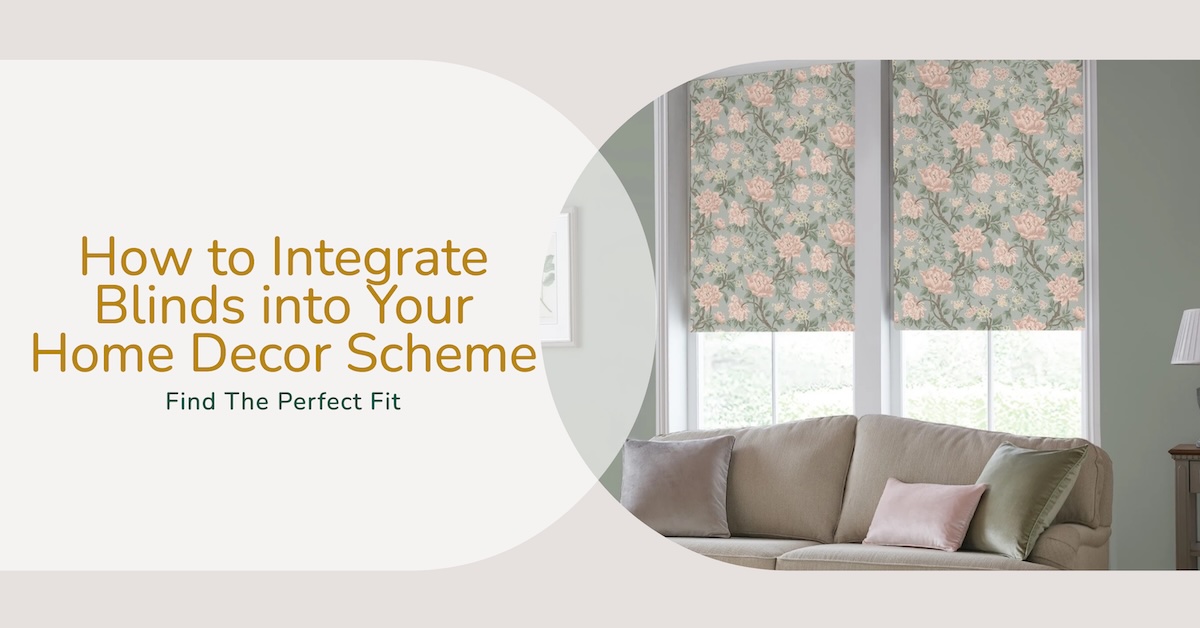
When planning a home decor scheme, it’s all too easy to focus on wall colours, furniture, lighting, and accessories — and completely overlook the windows. Yet the truth is this: blinds can make or break a room’s entire look and feel.
More than a practical afterthought, the right blinds will not only frame your windows, but can also elevate the style, enhance comfort, and create atmosphere. Done well, blinds become an integral part of your decor — one that subtly complements your design vision while delivering tangible everyday benefits.
In this definitive guide, we’ll show you exactly how to integrate blinds seamlessly into any home decor scheme. Whether you’re styling a modern minimalist loft, a cosy country cottage, or a bold, design-led space, you’ll discover expert tips on choosing, combining, and positioning blinds for maximum visual and functional impact.
Why Blinds Matter Beyond Function
Yes, blinds offer control over light and privacy — but their value extends far beyond simple functionality. Here’s why they deserve pride of place in your decor plans:
- Mood and Atmosphere
Blinds influence how daylight enters your home. Diffused softness, dramatic shadows, or crisp clarity — each choice shapes the mood of your space. - Light Control
From blackout blinds in a restful bedroom to day & night blinds in a versatile living space, your choice of blinds affects the flexibility and use of each room. - Privacy
Blinds give you control over sightlines, allowing you to enjoy your space in comfort without compromising style. - Insulation and Comfort
The right blinds contribute to energy efficiency, helping to keep rooms warmer in winter and cooler in summer. - Style and Design Statement
With today’s vast range of materials, colours, textures, and designs, blinds can either blend in for understated elegance or stand out as a key decorative feature.
Table of Contents
Part 1: Understanding Blinds — Beyond the Basics

Blinds are no longer just about pulling up or down a piece of fabric or slats. Today, they are multi-functional design elements that can enhance your interior style while offering practical benefits. Understanding the types of blinds available — along with their material options and operating mechanisms — is key to integrating them beautifully into your home decor scheme.
Types of Blinds (Detailed Breakdown with Pros & Cons for Decor)
Roller Blinds
Pros:
- Minimalist and sleek design
- Wide choice of colours and patterns
- Excellent for contemporary and modern spaces
- Affordable and easy to operate
Cons:
- Limited flexibility in light control compared to slatted blinds
- Not as insulating as some other options
Roller blinds are a go-to choice for achieving a clean, streamlined look. Whether block-colour or printed, they work brilliantly in kitchens, bathrooms, and living rooms with modern styling.
Venetian Blinds
Pros:
- Classic, timeless appeal
- Superior light control through adjustable slats
- Available in wood, faux wood, and aluminium for varied aesthetics
- Suitable for almost any room
Cons:
- Dust can accumulate on slats (regular cleaning required)
- Less insulating than fabric-based blinds
Venetian blinds offer unmatched versatility. Wooden and faux wood Venetians suit traditional or rustic schemes, while aluminium options feel distinctly modern and work well in sleek kitchens or bathrooms.
Vertical Blinds
Pros:
- Perfect for large windows and sliding doors
- Cost-effective for wide spans
- Can be customised with softer fabrics for a homelier feel
- Provides excellent control over light and privacy
Cons:
- Often associated with a commercial look (though modern fabric choices can counter this)
- Not ideal for smaller windows
Vertical blinds are highly practical for floor-to-ceiling glazing, and with today’s fabric choices, they can complement both modern apartments and residential conservatories.
Roman Blinds
Pros:
- Elegant, soft aesthetic
- Brings warmth and texture to a room
- Ideal for traditional, luxurious, or layered design schemes
- Huge range of fabric choices
Cons:
- Generally more expensive than roller or vertical blinds
- Requires professional cleaning depending on fabric
Roman blinds are a favourite for adding refinement and softness, especially in bedrooms, living rooms, and formal dining spaces.
Pleated/Duette Blinds
Pros:
- Excellent energy efficiency (especially Duette/honeycomb styles)
- Lightweight and compact
- Textured appearance adds visual interest
- Great for contemporary or eco-conscious homes
Cons:
- Slightly more costly than standard pleated options
- Not as durable in high-humidity environments
Duette blinds are ideal for homeowners seeking style with substance — a modern look with genuine thermal performance benefits.
Panel Blinds
Pros:
- Bold, modern aesthetic
- Works well for large glazed areas or as room dividers
- Customisable with colours, patterns, and textures
- Smooth operation and contemporary feel
Cons:
- Requires ample space to stack panels when open
- Less suitable for smaller windows
Panel blinds are perfect in open-plan interiors where statement design meets functional flexibility.
Vision / Day & Night Blinds
Pros:
- Unique striped fabric allows variable light control
- Combines roller blind simplicity with enhanced flexibility
- Offers a highly contemporary style
- Ideal for living rooms, offices, and bedrooms
Cons:
- Less insulating than double-layered or Duette blinds
- Slightly more complex to operate
Vision blinds are perfect for homes wanting a modern edge, with the ability to subtly adjust privacy and light without raising or lowering the blind fully.
Perfect Fit / Intu Blinds
Pros:
- Clip-fit design integrates seamlessly with window frames
- No drilling required
- Ideal for conservatories, bi-fold doors, tilt-and-turn windows
- Minimalist, neat appearance
Cons:
- Slightly limited in blind style and size options
- Higher initial cost compared to some alternatives
Perfect Fit and Intu blinds offer a sleek, integrated solution where windows and doors demand a flush finish — ideal for today’s trend toward bi-fold and sliding door installations.
Materials Matter
Choosing the right material not only influences the look and feel of your blinds, but also their performance in different rooms:
Wood / Faux Wood
- Provides warmth and a natural feel
- Complements traditional, rustic, or Scandi-inspired interiors
- Faux wood options suitable for high-humidity areas
Aluminium
- Lightweight and highly durable
- Excellent for moisture-prone rooms (bathrooms, kitchens)
- Offers a modern, industrial or minimalist aesthetic
Fabric
- Brings softness, texture, and depth to your decor
- Huge variety in patterns, colours, and fabric types (cotton, linen, silk blends, synthetics)
- Excellent for Roman, roller, and vertical blinds
PVC / Vinyl
- Hardwearing and moisture-resistant
- Ideal for kitchens, bathrooms, and utility rooms
- Practical over decorative but available in attractive finishes
Operating Mechanisms (Impact on Aesthetics & Functionality)
The way your blinds operate can also affect both the visual impact and day-to-day practicality:
Corded
- Traditional operation
- Must comply with child safety regulations (cleats or tensioned systems required)
- Best suited to adult-only spaces or commercial applications
Cordless
- Clean, streamlined look with no visible cords
- Enhanced safety for family homes
- Often preferred in minimalist or contemporary interiors
Motorised / Smart Blinds
- Operate via remote control or smartphone app
- Integrate with smart home systems (Amazon Alexa, Google Home, Apple HomeKit)
- Ideal for hard-to-reach windows or modern homes focused on convenience
- Adds a high-end feel to any room
Top-down / Bottom-up
- Offers ultimate flexibility for light and privacy
- Allows you to control exactly how much of the window is covered
- Particularly useful in bedrooms, bathrooms, and street-facing windows
Part 2: Pre-Integration Planning — Setting the Stage for Success

Before diving into colour swatches or falling in love with the latest blind styles, it’s crucial to set the stage for success. Thoughtful pre-planning will ensure your chosen blinds don’t just look fantastic — they’ll also perform exactly as you need them to.
Assess Your Needs & Lifestyle
Every household is different, and your blinds should suit your unique lifestyle, room usage, and functional requirements. Here’s what to consider:
Light Control
Think carefully about how much light you want in each room:
- Blackout Blinds: Ideal for bedrooms, nurseries, and media rooms where complete darkness is needed.
- Dim-out Blinds: Great for living spaces and dining rooms where you want to reduce glare but still enjoy soft, natural light.
- Light Filtering: Perfect for bright kitchens or sunrooms where you want to diffuse harsh sunlight.
- Privacy: Options such as Venetian or Vision/Day & Night blinds allow flexible light control while maintaining privacy.
Privacy Requirements
Consider your room’s position:
- Ground Floor: Street-facing windows usually benefit from enhanced privacy solutions such as bottom-up blinds or Vision/Day & Night blinds.
- Upper Floor: Privacy is often less of a concern; sheer or light-filtering blinds can maximise natural light.
Insulation / Energy Efficiency
Especially important in older homes or extreme climates:
- Look for blinds with good U-values and thermal properties to improve energy efficiency.
- Duette/honeycomb blinds are particularly effective at keeping heat in during winter and out during summer.
- In large spaces such as conservatories, thermally efficient blinds can make a huge difference to year-round comfort.
Moisture / Humidity
Rooms such as kitchens and bathrooms require moisture-resistant materials:
- Aluminium Venetians, PVC, and vinyl blinds excel in damp environments.
- Avoid untreated natural wood or certain fabric blinds in high-humidity spaces unless they are specifically designed for such conditions.
Child & Pet Safety
- In homes with young children or pets, cordless or motorised blinds are strongly recommended.
- Modern designs offer sleek, safe options without compromising on style.
Window Assessment
Not all windows are created equal — and the type of window you have can dramatically influence which blinds will work best.
Window Type
- Sash Windows: Roman, Venetian, or roller blinds work well; inside or outside recess depending on depth.
- Casement Windows: Consider blinds that won’t obstruct handles — Perfect Fit/Intu blinds are a smart choice.
- Bay Windows: Vertical, Roman, or Venetian blinds can be used to elegantly follow the bay’s contours.
- Arch Windows: Custom Roman or pleated blinds can soften and complement the shape.
- Tilt-and-Turn Windows: Perfect Fit/Intu blinds are ideal, as they move with the window without interfering with the tilt or turn function.
- Bi-fold & Sliding Doors: Vertical, panel, or Perfect Fit blinds are best, offering practicality and an uncluttered look.
Mounting Options
Inside Recess
- Creates a sleek, fitted appearance.
- Highlights architectural detail.
- Ideal for minimalist, modern, or period homes where window features should remain visible.
Outside Recess
- Makes the window appear larger and more prominent.
- Allows more complete light block — useful for blackout blinds in bedrooms.
- Useful if window recess is shallow or uneven.
Pros and Cons for Different Window Types:
| Window Type | Best Mounting Option | Notes |
|---|---|---|
| Sash | Inside recess | Highlights traditional features |
| Casement | Outside recess if handles obstruct | Perfect Fit for handle clearance |
| Bay | Inside recess (contoured fit) | Multiple blinds required |
| Arch | Inside recess | Custom fitting needed |
| Tilt-and-Turn | Inside recess or Perfect Fit | Avoids interference with opening |
| Bi-fold/Sliding | Outside recess or Perfect Fit | Minimal obstruction when doors operate |
Obstructions
Before selecting blinds, check for:
- Window handles — may prevent certain blinds from fitting flush.
- Vents — top-down blinds or shorter recess fittings may be needed.
- Window frames — slim frames can accommodate Perfect Fit, while deep recesses suit Roman or roller blinds.
Define Your Decor Style
Your blinds should feel like a natural extension of your decor — not an afterthought. Here’s how to match them to your aesthetic:
Modern / Minimalist
- Favour sleek roller blinds, simple Venetian blinds, and neutral colours.
- Look for crisp finishes such as matt whites, cool greys, and monochrome schemes.
- Motorised blinds fit beautifully in modern smart homes.
Traditional / Classic
- Choose Roman blinds for their elegant folds, or wood Venetian blinds for timeless warmth.
- Opt for rich fabrics such as velvets, jacquards, or embroidered patterns.
- Warm wood tones and heritage colours like burgundy, deep green, or navy enhance the classic look.
Bohemian / Eclectic
- Layer textured fabrics — think linens, cottons, and woven materials.
- Select unique patterns or global-inspired prints.
- Combine blinds with soft voiles or curtains for a relaxed, collected-over-time vibe.
Farmhouse / Rustic
- Opt for wood blinds and natural textures such as bamboo or linen.
- Simple, clean designs in earthy tones (taupe, sage, cream) suit this style.
- Roller or Roman blinds in textured fabrics complement rustic wooden furniture and exposed beams.
Coastal
- Embrace light fabrics, natural wood, and a palette of whites, blues, and soft greys.
- Venetian blinds in white or distressed wood add a relaxed beach-house feel.
- Linen or sheer Roman blinds allow breezy light movement.
Industrial
- Choose aluminium blinds with clean, crisp lines.
- Emphasise raw textures — metallic finishes, charcoal greys, and black tones.
Part 3: The Art of Integration — Design Principles & Techniques

Once you’ve assessed your needs and chosen the right blinds for your windows, it’s time to think like a designer. The goal is not simply to install blinds, but to integrate them artfully into your overall decor scheme. When done well, blinds can enhance architectural features, reinforce your design aesthetic, and contribute to the harmony of your entire space.
Colour Theory & Blinds
Colour is one of the most powerful tools in interior design — and your choice of blind colour can subtly (or dramatically) influence the mood of a room.
Matching Walls
For a seamless, expansive look, select blinds in a shade very close to your wall colour. This approach works beautifully in modern minimalist spaces where the aim is to create calm, unbroken visual planes. Matching blinds can also make small rooms feel larger by reducing visual contrast.
Contrasting Accents
Conversely, choosing blinds in a contrasting colour can add energy and focus to a room. A bold blind colour can act as an accent piece, helping to define the window as a key feature. This technique works well in contemporary schemes where pops of colour add personality.
Neutral Foundation
Opting for blinds in classic neutrals (white, grey, beige, taupe) allows other elements — such as artwork, cushions, or statement furniture — to take centre stage. Neutral blinds provide timeless flexibility, making it easy to update the rest of your decor over time.
Warm vs. Cool Tones
Blinds also affect the perceived temperature of a room:
- Warm-toned blinds (terracotta, gold, cream) create a cosy, inviting atmosphere.
- Cool-toned blinds (blue, grey, silver) enhance a sense of calm and spaciousness — ideal for bedrooms and bathrooms.
Carefully considering colour temperature helps ensure your blinds support the intended mood of each space.
Pattern & Texture
Blinds offer an opportunity to introduce pattern and texture — adding interest and depth to your scheme.
Subtle Textures
Textured fabrics, even in solid colours, can add richness and visual interest without overwhelming a space. Linen-look roller blinds, wood grain Venetians, or pleated fabric blinds bring subtle tactile appeal to minimalist or understated schemes.
Bold Patterns
Blinds with strong patterns can become a focal point — but should be used sparingly if the room already features patterned rugs, cushions, or wallpaper. One bold statement blind can transform a neutral room into something special.
Mixing Textures
For a sophisticated, layered look, mix the textures of your blinds with other soft furnishings:
- Combine sleek roller blinds with velvet cushions.
- Pair linen Roman blinds with a wool throw.
- Balance the smooth finish of aluminium Venetians with textured rugs.
This approach creates visual richness and helps tie the blinds into the wider scheme.
Layering Blinds with Other Window Treatments
One of the most versatile techniques in window design is layering blinds with other treatments. This not only enhances the decor, but also maximises functionality.
Blinds + Curtains
A classic and luxurious pairing. Consider:
- Blackout roller or Roman blinds under sheer curtains for day-to-night flexibility.
- Venetian blinds combined with floor-length drapes for adjustable light control and added softness.
Layering blinds with curtains also improves insulation and acoustic comfort, making spaces feel cosier and more refined.
Blinds + Valances / Pelmet Boxes
Adding a valance or pelmet box provides a decorative finish, conceals blind hardware, and introduces an elegant, tailored look — ideal for formal living rooms and master bedrooms.
Blinds + Sheers
For rooms where daytime privacy is desired without blocking natural light, combine blinds with sheer panels. This pairing softens the overall look and allows versatile control over light and sightlines.
Creating a Focal Point
Blinds can be used strategically to draw attention or enhance architectural elements.
Using Bold Patterns or Colours
A bold blind fabric can become the centrepiece of a room — especially in otherwise neutral or monochrome spaces.
Highlighting Architectural Features
Choose blinds that complement or accentuate architectural details:
- Inside-recess Roman blinds highlight deep window reveals.
- Wooden Venetian blinds emphasise traditional sash windows.
- Floor-to-ceiling vertical or panel blinds can dramatise tall, wide glazing.
Framing a View
Use blinds to frame and enhance an exterior view — with sleek inside-recess options that allow the eye to be drawn outdoors when open, or soft, layered treatments that add depth when closed.
Achieving Harmony and Flow
Good window design should always contribute to the harmony and flow of your home.
Consistency Across Rooms (or Thoughtful Variations)
- In open-plan homes, using the same blind type and colour across connected spaces creates a cohesive, elegant look.
- In varied rooms, relate blinds by texture or material even if colours or patterns differ — for example, using different fabrics in the same neutral tone family.
Relating Blinds to Furniture, Artwork, and Accessories
Blinds should feel like part of the room’s overall composition:
- Coordinate blind colours with accent pieces such as cushions or vases.
- Echo metallic finishes (e.g. aluminium blinds with stainless steel fixtures).
- Complement fabric choices in upholstery and soft furnishings.
Considering the Room’s Overall “Feel”
Think beyond style categories. Does the room feel:
- Light and airy? Choose sheer, light-filtering blinds.
- Warm and cocooning? Opt for textured Roman or Venetian blinds in rich tones.
- Crisp and contemporary? Go for simple roller or Vision blinds in neutral shades.
The right blind will enhance and support the emotional tone of your space.
Tricks of the Trade
Finally, here are a few designer tricks to elevate your window treatments:
Making Windows Appear Taller / Wider
- Mount blinds outside the recess and extend them beyond the window frame to create the illusion of larger windows.
- For tall, narrow windows, run Roman or roller blinds well above the frame to elongate the look.
Dealing with Awkward Windows
- Use custom solutions for shaped or arched windows — Roman or pleated blinds can be tailored beautifully.
- Layered approaches help disguise tricky proportions or asymmetrical features.
Unifying Multiple Windows
-
In rooms with multiple windows, consistency is key:
-
Use the same blind type and colour for a balanced, harmonious look.
-
If blinds are different sizes, align the top and bottom rails visually to maintain symmetry.
-
Part 4: Practical Considerations & Maintenance

Even the most stylish blinds won’t look their best — or perform well — if they aren’t measured, fitted, and maintained properly. Paying attention to these practical details ensures your blinds remain an integral part of your decor scheme for years to come.
Measuring Accurately
Precision is key when it comes to measuring for blinds. An incorrect measurement can result in poor fit, unsightly gaps, or blinds that simply don’t function as intended.
Inside Mount (Recess Fit)
For a neat, fitted appearance where the blinds sit within the window recess:
- Measure the width at the top, middle, and bottom of the recess — use the narrowest measurement.
- Measure the drop at the left, middle, and right — use the longest measurement.
- Check that the recess is deep enough to accommodate the blind and any window handles.
Outside Mount (Exact Fit)
For a more dramatic look or better light block:
- Measure the desired width, extending beyond the window frame on each side (typically 5–10 cm per side for good coverage).
- Measure the desired drop, allowing extra height above the window if you want to make the window appear taller.
Tip: Always double-check your measurements and follow DotcomBlinds’ specific measuring guides for each blind type — this small step makes a big difference in the final result.
Installation (DIY vs. Professional)
Blinds from DotcomBlinds are designed for straightforward installation, and many customers successfully fit them themselves using the clear instructions provided. However, there are times when it pays to call in the experts.
DIY Installation
Ideal for:
- Roller blinds, vertical blinds, Venetian blinds, Perfect Fit blinds
- Straightforward window shapes and standard fitting locations
- Confident DIYers with basic tools
Professional Installation
Recommended for:
- Roman blinds, especially on uneven walls or where precise levelling is crucial
- Large blinds or installations across multiple windows
- Bay windows or shaped/arched windows requiring specialist fitting
- Motorised or smart blind systems — an electrician may be needed for mains-powered blinds
Remember: A poorly installed blind will never look or function as well as it should. If in doubt, investing in professional fitting is worthwhile.
Cleaning & Maintenance
Proper care ensures your blinds stay looking their best and function smoothly. Different materials require different approaches:
Venetian Blinds (Wood, Faux Wood, Aluminium)
- Dust regularly using a microfibre cloth, duster, or vacuum with brush attachment.
- For deeper cleaning, wipe slats with a damp cloth (avoid excess water on real wood).
- Aluminium and faux wood blinds can tolerate gentle cleaning sprays — test first.
Roller Blinds
- Dust regularly using a vacuum with brush attachment or soft cloth.
- For light marks, spot-clean with a damp cloth and mild detergent — avoid rubbing too hard.
- Avoid soaking or immersing fabric.
Roman Blinds
- Dust lightly with a vacuum or soft brush.
- For fabric blinds, consider professional cleaning if deep cleaning is needed.
- Check care labels — some fabrics may allow gentle hand cleaning.
Vertical Blinds
- Dust fabric louvres regularly with a vacuum or brush.
- Many fabric slats can be removed and hand washed — check manufacturer guidelines.
- PVC vertical blinds can be wiped with a damp cloth.
Pleated / Duette Blinds
- Dust gently with a vacuum or feather duster.
- Spot-clean with care, following manufacturer recommendations.
- Avoid over-wetting to preserve pleat structure.
Perfect Fit / Intu Blinds
- Clean as per the material used (Venetian, roller, pleated etc.).
- Regular dusting will keep frames and edges clean.
Troubleshooting Common Issues
Even with the best blinds, occasional issues can arise. Here’s how to handle some of the most common problems:
Uneven Blinds
- Check that the blind is level and evenly mounted.
- For Roman and roller blinds, ensure the fabric is rolling up evenly — if not, re-roll carefully.
- For Venetian blinds, inspect the cords and ensure slats are aligned.
Sticking Mechanisms
- Lightly lubricate moving parts if needed (avoid spraying lubricants onto fabric blinds).
- Check for obstructions or debris in the track or cassette.
Blinds Won’t Raise or Lower Smoothly
- For chain or cord systems, inspect for twists or knots.
- For motorised blinds, check battery level or power connection.
- Reset motorised blinds if necessary following manufacturer instructions.
Fabric Wrinkling
- For Roman and some roller blinds, slight creasing may occur after shipping — hanging the blind for a few days usually helps.
- Use a cool iron or steamer on suitable fabrics if needed — always test first.
Part 5: Beyond the Blinds — Smart Home Integration & Future Trends

Blinds today are about so much more than simply covering a window. Increasingly, they are becoming integrated lifestyle solutions, enhancing comfort, convenience, and sustainability in the modern home. Let’s take a look at how blinds are evolving — and how you can future-proof your decor choices.
Smart Blinds
One of the most exciting developments in window treatments is the rise of smart blinds — blinds that can be automated and integrated into your wider smart home ecosystem.
Connectivity with Smart Home Systems
Today’s smart blinds can be connected to:
- Amazon Alexa
- Google Home
- Apple HomeKit
This allows you to control your blinds via voice command, smartphone app, or even automation routines linked with other smart devices (lighting, heating, security systems).
Benefits of Smart Blinds
- Scheduling:
Automate your blinds to open at sunrise and close at sunset, or adjust according to your daily routine — perfect for energy management and convenience. - Remote Control:
Control your blinds even when you’re away from home — ideal for improving home security and comfort. - Energy Savings:
Smart blinds can work with temperature sensors or sunlight tracking to adjust automatically for optimal insulation and heat gain management, helping to reduce energy bills.
Incorporating smart blinds adds a genuine layer of luxury and practicality — and with options available across roller, Roman, Venetian, and pleated styles, they can now be integrated seamlessly into almost any decor scheme.
Sustainable & Eco-Friendly Options
As eco-conscious living becomes ever more important, so too does the demand for sustainable and eco-friendly blind options.
Recycled Materials
Many manufacturers now offer blinds made from:
- Recycled polyester fabrics
- Reclaimed aluminium for Venetian blinds
- PVC-free fabrics to reduce environmental impact
These options allow you to enjoy high performance and stylish design while reducing your carbon footprint.
Bamboo & Natural Fibres
Bamboo blinds and those made from natural fibres such as linen or organic cotton offer:
- A beautiful, earthy aesthetic — ideal for rustic, coastal, or bohemian interiors
- Rapid renewability — bamboo is one of the fastest-growing plants on Earth
- A tactile and breathable material that connects your home to nature
Energy Efficiency
Choosing blinds that contribute to better thermal insulation — such as Duette/honeycomb blinds — supports sustainable living by reducing the need for artificial heating and cooling.
Sustainability in blinds is no longer niche — it’s becoming mainstream, offering you more choice and greater opportunities to design responsibly.
Emerging Trends
The world of blinds is constantly evolving — here are some of the top trends shaping the future of window treatments:
Unique Textures
Blinds are moving beyond simple flat fabrics and basic finishes. Look out for:
- Rich, woven textures in natural fibres
- Metallic finishes on Venetians
- Embossed or jacquard patterns on Roman blinds
- Layered fabric effects in Vision/Day & Night blinds
Texture adds tactile interest and depth, helping blinds become a true feature of your room.
Bold Patterns
Patterned blinds are enjoying a resurgence — not just in traditional or bohemian homes, but in contemporary settings too:
- Geometric prints for modern schemes
- Botanical and floral patterns to bring nature indoors
- Art-inspired designs that turn the window into a canvas
The key is balance — pair bold blinds with simpler walls and furnishings, or vice versa.
Innovative Functionalities
New developments are bringing added convenience and versatility:
- Battery-powered motorised blinds — easy to retrofit without new wiring
- Solar-powered blinds — ideal for energy efficiency and sustainability
- Smart fabrics that adapt to light and temperature automatically
- Noise-reducing fabrics for acoustic comfort in busy households or urban environments
Innovation is making blinds more dynamic and adaptive, perfectly in tune with modern lifestyles.
Embrace the Potential of Blinds
As we’ve explored throughout this guide, blinds are no longer an afterthought — they are a powerful design tool that can shape the mood, functionality, and aesthetic of your home.
By understanding your needs, considering design principles, and embracing modern innovations, you can select and integrate blinds that truly enhance your living space.
And with the expert guidance and extensive range from DotcomBlinds, finding the perfect solution has never been easier.
Ready to get started?
Explore our full range of made-to-measure blinds at www.dotcomblinds.com — and discover how the right blinds can transform your home.