Order Tracking
 0800 1422417
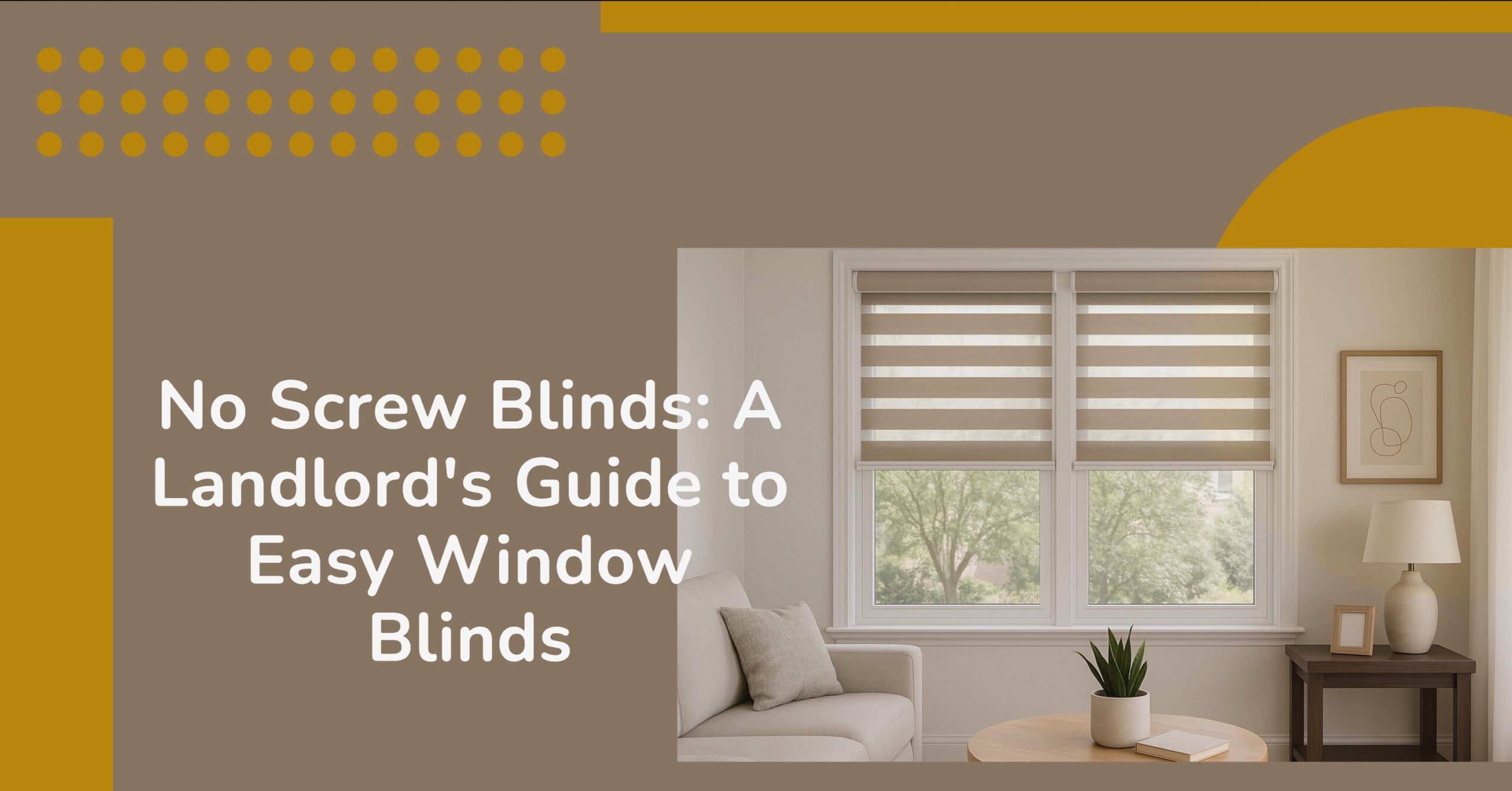
If you’re a landlord, you already know that something as simple as window blinds can turn into a bigger headache than expected. Traditional blinds often mean drilling into walls, leaving behind unsightly holes, risking damage to window frames, and dealing with the extra time and cost of installation. Add to that the fact that tenants frequently want quick solutions, and it’s clear why blinds can be a frustrating part of property management.
That’s where no-screw blinds come in. Designed for speed, simplicity, and zero damage, these innovative blinds clip, stick, or twist into place without the need for drills, screws, or specialist tools. They’re an ideal option for rental properties, making life easier for both landlords and tenants while keeping walls and window frames intact.
In this guide, we’ll walk you through everything you need to know about no-screw blinds: what they are, why they’re a smart choice for rental homes, the different types available, and how to get the best results when fitting them.
What Are No-Screw Blinds?
No-screw blinds are a modern alternative to traditional blinds that can be installed without the need for drills, screws, or nails. Instead of relying on permanent fixings, they use clever systems such as tension, adhesive pads, or brackets that clip directly onto the window frame.
The principle is simple: rather than making holes in the wall or window recess, these blinds stay firmly in place through pressure or stick-on fittings. That means they can be fitted in minutes and removed just as easily, without leaving behind damage or marks.
For landlords, this makes no-screw blinds especially appealing. There’s no risk of tenants damaging walls during installation, no costly repairs between lets, and no need to hire tradespeople for what should be a straightforward job. It’s a fast, cost-effective, and hassle-free solution that keeps both property owners and tenants happy.
The Types of No-Screw Blinds

No-screw blinds come in a few different styles, each designed to suit particular window types and installation preferences. Below we’ll explore the four most common options and their benefits for landlords.
Click Fit Blinds
How they work: Click Fit blinds use small brackets that slide between the glass and the rubber seal of a uPVC window. The blind then clicks securely into place without the need for drilling or adhesives.
Best suited for: Modern uPVC windows with accessible rubber seals.
Pros:
- Fast and tool-free installation.
- Secure fitting with no risk of slipping.
- Easy to remove when tenants move out.
Cons:
- Only compatible with certain uPVC window types.
- Less suitable for wooden or aluminium frames.
Stick Fit Blinds
How they work: Stick Fit blinds rely on strong adhesive strips or pads that attach directly to the glass or frame. The blind mounts to these pads, creating a firm hold without screws.
Best suited for: Flat, smooth surfaces such as glass panes or clean uPVC frames.
Pros:
- Quickest and simplest option to install.
- Can fit almost any window where drilling isn’t an option.
- Ideal for temporary or short-term lets.
Cons:
- Adhesive can weaken over time, especially in humid rooms like kitchens or bathrooms.
- May leave residue that needs cleaning when removed.
Perfect Fit Blinds
How they work: Perfect Fit blinds use a clever frame system that clips directly onto the beading of uPVC windows. The blind sits neatly within the frame, moving with the window or door.
Best suited for: uPVC windows and doors, especially those that open frequently such as French doors or patio doors.
Pros:
- Very neat and professional-looking finish.
- Blinds move with the window or door without flapping.
- Great insulation benefits thanks to the snug fit.
Cons:
- Limited to uPVC windows and doors.
- Higher cost compared to other no-screw options.
Twist Fit Blinds
How they work: Twist Fit blinds use tension rods or brackets that expand inside the window recess. By twisting the mechanism, the blind locks securely into place without fixings.
Best suited for: Standard window recesses where drilling is not possible or not desirable.
Pros:
- Reusable and easy to move between properties.
- No adhesives or frame clips needed.
- Works with a wide range of window materials.
Cons:
- Not as flush-fitting as Perfect Fit or Click Fit options.
- Can lose tension if not installed correctly.
When to Use No-Screw Blinds
No-screw blinds aren’t just a convenient alternative — they’re often the most practical choice for landlords dealing with the everyday challenges of managing rental properties. Here’s when they work best:
Standard Window Recesses
Most UK homes feature standard window recesses, and no-screw blinds are designed to slot straight in. Whether through tension or adhesive, they fit securely without compromising plasterwork, paint, or frames.
uPVC Windows
For modern rental homes with uPVC windows, no-screw blinds are an ideal match. They attach neatly without leaving drill holes or marks in the frame, maintaining the clean look of the property and avoiding costly repair work.
Rental Properties
Perhaps the biggest appeal for landlords is the damage-free aspect. With no holes to fill and no risk of botched installations, blinds can be fitted and removed between tenancies without hassle. This makes property turnarounds faster and cheaper.
Temporary Installations
If you need a quick solution — whether while awaiting a long-term refurbishment or during a short-term let — no-screw blinds deliver. They can be fitted in minutes and taken down just as easily, making them a flexible, stop-gap choice.
First-Time Fitters
Even tenants themselves could manage these blinds. With no tools required, anyone can fit them securely without prior DIY knowledge, reassuring landlords that installation won’t go wrong.
Time Constraints
Traditional blinds can take hours to measure, drill, and fit. No-screw blinds cut this down to minutes, making them perfect when you need a property ready for viewing or occupancy at short notice.
Small to Medium Window Widths
While versatile, most no-screw blinds are better suited to small and medium-sized windows. For larger spans, traditional screw-fit blinds or heavy-duty tracks may still be the better option.
When to Avoid No-Screw Blinds
While no-screw blinds are a fantastic option in many situations, they aren’t the right choice for every property. Landlords should be aware of their limitations to avoid frustration later on.
Very Wide Windows
For large windows, patio doors, or wide spans, no-screw systems may struggle. Tension and adhesive fittings are best for small to medium widths, but the weight of wider blinds can cause sagging or loosening over time.
Deep, Angled, or Curved Recesses
These blinds are designed for standard window shapes. If your property has unusually deep, sloped, or curved recesses, getting a secure fit may prove difficult without traditional screw-mounted tracks.
Soft or Flaky Plaster
Adhesive systems need a clean, smooth surface to grip. If plaster around the frame is crumbly, flaky, or uneven, the adhesive may fail, leaving blinds unstable or falling away.
Total Blackout Needs
No-screw blinds often leave small gaps at the sides. While perfectly adequate for privacy and light control, they aren’t ideal for bedrooms where tenants require full blackout conditions.
Heavy Fabrics
These systems are intended for lightweight blinds such as aluminium Venetians, pleated fabrics, or slim rollers. Heavier Roman or thick blackout materials may place too much strain on the fittings.
Full Customisation Required
Most no-screw blinds come in pre-sized options to suit common window types. If your property has unusual or bespoke windows, you may find traditional made-to-measure blinds a better long-term solution.
Benefits for Landlords: Why You Should Choose No-Screw Blinds
For landlords, every decision comes down to balancing cost, convenience, and tenant satisfaction. No-screw blinds tick all the right boxes, making them one of the smartest window covering choices for rental properties.
Damage-Free
Because they don’t require drilling, no-screw blinds leave window frames and recesses intact. This means no unsightly holes to fill, no risk of cracked plaster, and no repair costs between tenancies.
No Experience or Tools Required
Fitting traditional blinds often means measuring drills, screwdrivers, and a steady hand. With no-screw blinds, anyone can install them — even tenants themselves — without DIY knowledge or specialist tools.
Quick to Fit and Remove
Speed matters when you’re preparing a property for new tenants. No-screw blinds can be installed or removed in minutes, reducing downtime between lets and keeping rental income flowing.
Cost-Effective
By eliminating the need for tradespeople or maintenance work, these blinds cut costs considerably. Landlords save money both at the point of installation and when it’s time to refresh the property.
Doesn’t Void Window Warranty
Many new uPVC windows come with manufacturer warranties that can be voided by drilling into the frame. No-screw blinds avoid this issue entirely, helping landlords protect their investment.
Enough Light and Privacy
While not always blackout-level, no-screw blinds provide tenants with reliable privacy and light control. They strike the right balance for most everyday needs, from bedrooms to living spaces.
Easily Replaced
Accidents happen, and blinds can get damaged. The good news is that replacing a no-screw blind is as simple as fitting one. A new blind can be installed in minutes, ensuring properties remain presentable at all times.
Frequently Asked Questions (FAQ) for Landlords
Q1: Do I have to provide blinds in my UK rental property?
A: There is no specific UK law that obligates landlords to provide window coverings. However, tenants expect a reasonable level of privacy and light control, so blinds are often seen as standard, especially in furnished properties. Supplying blinds from the outset — particularly no-screw blinds — avoids tenants drilling into walls or frames to install their own, which could lead to unnecessary damage.
Q2: What are my legal responsibilities regarding blind cord safety?
A: This is a crucial consideration. All blinds you provide must comply with BS EN 13120:2009+A1:2014 safety standards, designed to prevent accidents involving cords and chains. Even if you don’t expect families with young children to occupy the property, the law still applies. Fortunately, many no-screw blinds are safe by design, using cordless or tensioned systems that reduce the risks and make compliance easier.
Q3: Who is responsible for repairing or replacing the blinds?
A: In most cases, landlords are responsible for repairing or replacing blinds they provided, particularly when faults occur through fair wear and tear (for example, a cord fraying after years of use). However, if blinds are damaged by tenant negligence or misuse, the cost of repair or replacement usually falls to the tenant. To avoid disputes, it’s best to clearly outline these responsibilities in the tenancy agreement.
Q4: Will using no-screw blinds void my window warranty?
A: No. One of the greatest benefits of no-screw blinds is that they don’t require drilling into the window frame, which is the main reason warranties are voided. Systems like Perfect Fit and Click Fit are specifically designed to clip into the window’s beading without tools, keeping your uPVC window warranty fully intact.
Final Thoughts
For landlords, no-screw blinds are a simple, cost-effective, and damage-free way to keep rental properties looking smart and tenant-ready. They remove the hassle of drilling, protect your window warranties, and can be installed in minutes without tools or experience. Whether you’re managing a single property or a whole portfolio, they offer the perfect balance of convenience, value, and tenant satisfaction.
At DotcomBlinds, we’ve made it easy for landlords to find the right solution. Our wide range of no-screw blinds is designed to fit modern rental homes, giving you peace of mind and your tenants the privacy and style they expect.
👉 Explore the full range today at DotcomBlinds and take advantage of our free samples to see the quality for yourself before you commit. It’s the smart way to upgrade your rental property — without the stress.