Order Tracking
 0800 1422417
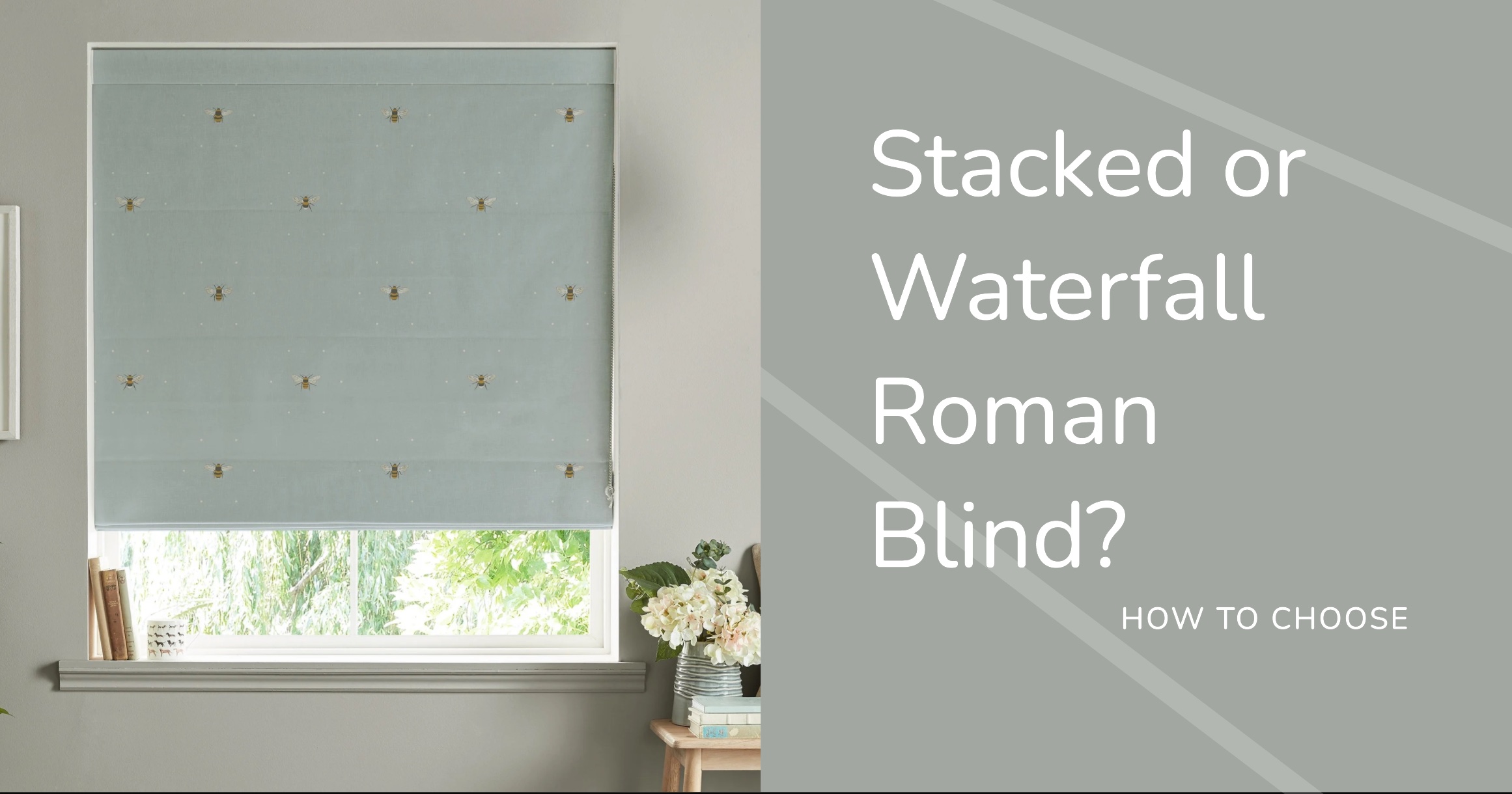
When it comes to dressing your windows with Roman blinds, the choice between stacked and waterfall styles can make a significant impact on your room’s overall aesthetic. Both designs offer elegance and functionality, but they each bring their own unique charm. Stacked Roman blinds provide a crisp, structured look, while waterfall Roman blinds add a soft, cascading effect. Whether you’re aiming for a minimalist, modern feel or a more luxurious and decorative touch, understanding the differences will help you make the right choice for your space.
What Are Roman Blinds?
Roman blinds are a timeless and elegant window dressing that combines style with practicality. Unlike standard blinds that feature slats or vanes, Roman blinds are made from a single piece of fabric that folds neatly as they are raised, creating soft pleats that add a touch of sophistication to any room. Their smooth, structured design allows them to seamlessly complement both traditional and modern interiors, making them a versatile choice for homeowners and interior designers alike.
One of the standout features of Roman blinds is their ability to transform a space with different fabric choices. From light, airy linens that create a breezy feel to luxurious velvets that add warmth and opulence, the material you choose can dramatically alter the ambiance of a room. Many Roman blinds also come with blackout or thermal linings, providing extra insulation and light control—ideal for bedrooms and living spaces.
Roman blinds operate using a simple yet effective cord or chain mechanism, allowing for easy adjustment of light and privacy. With their elegant drape and customisable designs, they offer the perfect balance between beauty and function, making them a go-to option for those seeking stylish yet practical window coverings.
What Are Stacked Roman Blinds?
 Stacked Roman blinds are a stylish and practical window dressing that offers a neat and structured appearance when raised. Unlike waterfall Roman blinds, which have cascading folds, stacked Roman blinds feature evenly sized pleats that sit directly on top of one another. This creates a crisp, uniform look that is both contemporary and sophisticated. Whether you prefer a minimalist design or a more tailored finish, stacked Roman blinds provide a sleek solution that complements a wide range of interiors.
The Benefits of Stacked Roman Blinds
Neat and Uniform Appearance
One of the biggest advantages of stacked Roman blinds is their precise, structured look. When raised, the folds are equal in size and neatly align, creating a clean and organised aesthetic. This is particularly beneficial for homeowners who appreciate a tidy, symmetrical finish at the top of their windows.
Maximising Natural Light
Since the fabric folds stack directly behind each other, these blinds tend to create a more compact pile when raised. This means they take up less space at the top of the window, allowing more natural light to enter the room. This is especially useful when the blind is fitted inside a window recess, as it minimises obstruction and lets in as much daylight as possible.
Ideal for Certain Fabrics and Patterns
If you’re choosing a patterned fabric for your blinds, a stacked fold design can help maintain a consistent, uninterrupted display. Because the folds remain uniform, the pattern stays aligned, ensuring a polished and balanced look when the blinds are both open and closed. This makes stacked Roman blinds an excellent choice for fabrics with bold prints or geometric designs.
What Are Waterfall Roman Blinds?
 Waterfall Roman blinds, also known as cascade Roman blinds, are an elegant and visually striking window treatment that adds a touch of sophistication to any space. Unlike stacked Roman blinds, which have neatly aligned folds, waterfall Roman blinds feature staggered pleats that create a cascading effect when the blind is raised. This flowing design introduces softness, texture, and depth to a window, making it a fantastic choice for those looking to enhance the aesthetic appeal of their interiors.
The Benefits of Waterfall Roman Blinds
Enhanced Decorative Effect
One of the standout advantages of waterfall Roman blinds is their luxurious, flowing design. The staggered folds create a layered, textured look that instantly elevates the style of a room. This makes them an excellent choice for formal spaces such as living rooms, dining areas, and elegant bedrooms where an extra touch of refinement is desired. Additionally, the cascading effect enhances the beauty of the fabric, making it ideal for showcasing intricate patterns, floral prints, or textured materials.
Softness and Depth
Unlike the structured appearance of stacked Roman blinds, waterfall Roman blinds introduce a sense of fullness and movement. This gentle draping effect brings warmth and cosiness to a space, creating a more inviting atmosphere. If you prefer window treatments that soften the overall look of a room rather than giving it a sharp, tailored edge, waterfall Roman blinds are a perfect choice.
Fabric Display
The waterfall style is particularly effective in highlighting fabric textures and designs. While stacked Roman blinds maintain a uniform look, waterfall blinds allow the pattern to flow naturally across the folds, adding a sense of movement and artistry. Whether you choose a bold geometric print, an elegant damask, or a soft linen fabric, the waterfall fold ensures that the design remains a prominent feature in your décor.
Hiding Imperfections
If your window recess isn’t perfectly square, waterfall Roman blinds can be a more forgiving option. The cascading folds naturally draw the eye away from any slight misalignments, helping to disguise minor imperfections in the window frame. This makes them particularly useful for older properties where walls and window recesses may not be perfectly even.
How to Choose Between Stacked and Waterfall Roman Blinds
When selecting between stacked and waterfall Roman blinds, it’s important to consider your interior style, the function of the room, and the overall aesthetic you want to achieve. Both styles have their unique advantages, and choosing the right one can enhance the look and feel of your space. Here’s a breakdown of when each style works best:
For a Modern Minimalist Look – Choose Stacked Roman Blinds
If you love sleek, clean lines and an uncluttered aesthetic, stacked Roman blinds are the ideal choice. Their neat and uniform folds create a tidy, structured appearance that complements modern interiors. Minimalist design often relies on maximising natural light, and stacked blinds help achieve this by creating a compact stack at the top of the window, allowing more daylight to filter in.
For Traditional or Formal Interiors – Choose Waterfall Roman Blinds
For a more opulent and classic look, waterfall Roman blinds bring a sense of grandeur and refinement. Their cascading folds add softness and depth, making them a perfect choice for traditional homes. The layered drape effect enhances the richness of luxurious fabrics, making them an excellent match for patterned, textured, or embroidered materials.
For Scandinavian Simplicity – Choose Stacked Roman Blinds
Scandinavian interiors prioritise functionality, simplicity, and bright, airy spaces. Stacked Roman blinds align with this style by offering a streamlined, fuss-free appearance that doesn’t overwhelm the room. Their structured design also enhances the clean and crisp look that defines Scandinavian décor.
For Bohemian or Eclectic Spaces – Choose Waterfall Roman Blinds
If your interior style is more relaxed, layered, and filled with interesting textures and patterns, waterfall Roman blinds are the way to go. Their flowing folds add to the free-spirited, artistic vibe of bohemian décor. Plus, they beautifully showcase bold or intricate fabric designs, making them a statement feature in the room.
For a Classic and Elegant Feel – Choose Waterfall Roman Blinds
If you’re drawn to timeless interiors with a touch of sophistication, waterfall Roman blinds enhance the beauty of well-dressed windows. Their soft, draping folds mimic the elegance of traditional drapery, giving the room a polished and refined look.
Key Considerations When Choosing
- Fabric Choice: Heavier, textured fabrics often look more dramatic in waterfall blinds, while lighter materials work well in both styles.
- Window Size: If you have smaller windows, stacked Roman blinds can help maximise light without adding bulk. For larger windows, waterfall folds can create a more luxurious and eye-catching effect.
- Room Function: In bedrooms where light control is essential, stacked Roman blinds may be the better choice. For living rooms and dining spaces where aesthetics are a priority, waterfall blinds add a more decorative touch.
Where To Start?
Choosing between stacked and waterfall Roman blinds ultimately depends on your interior style, fabric preferences, and practical needs. If you love clean lines and a structured appearance, stacked Roman blinds are the way to go. If you prefer a more decorative and flowing look, waterfall Roman blinds will beautifully enhance your space.
Not sure which style suits your home best? DotcomBlinds offers free fabric samples, so you can see and feel the material before making your decision. Explore the wide range of made-to-measure Roman blinds at DotcomBlinds and find the perfect fit for your windows!