Order Tracking
 0800 1422417
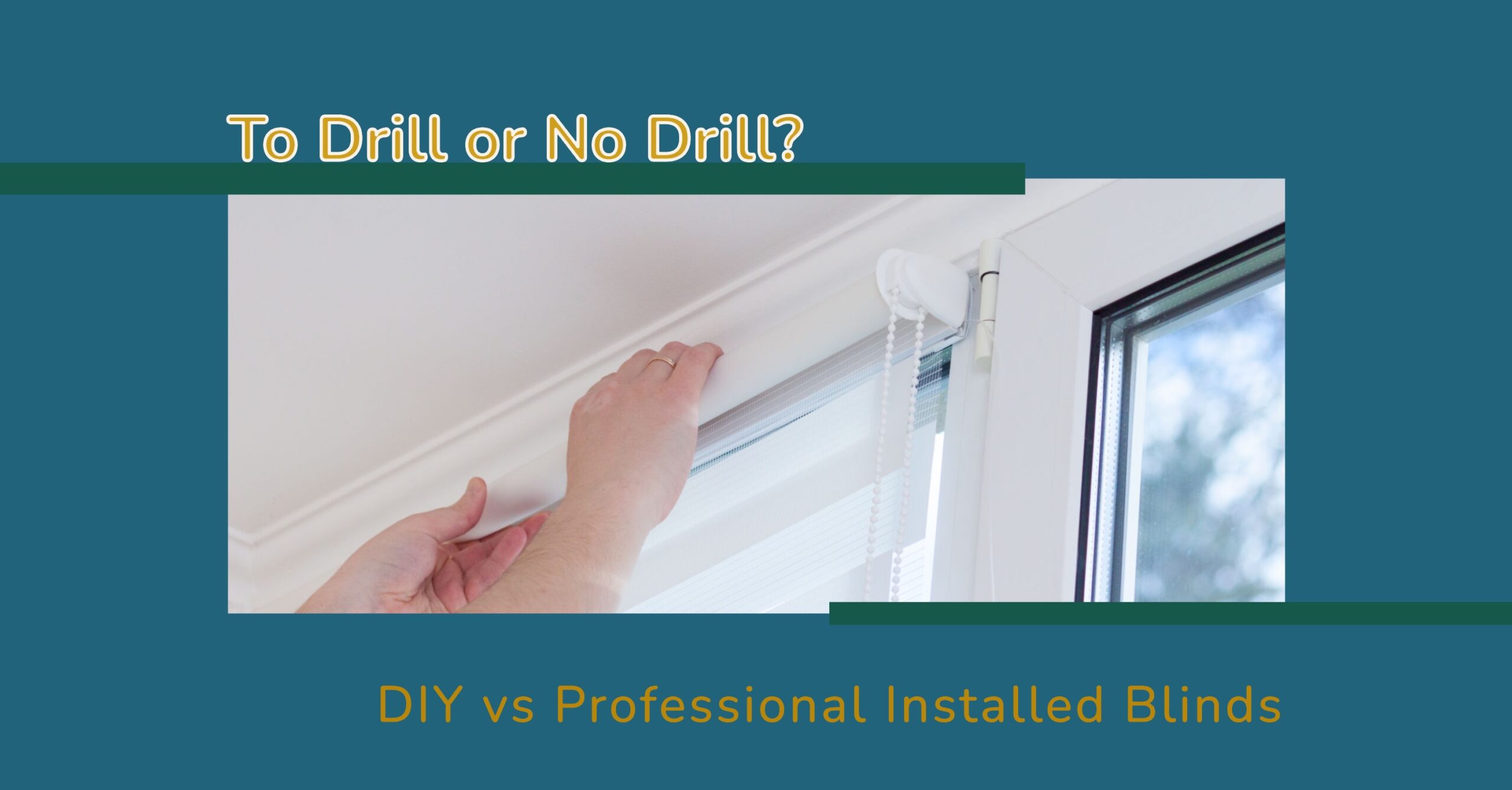
When it comes to fitting new blinds, one of the biggest decisions homeowners face is whether to pick a traditional drill-in style or opt for a modern no-drill alternative. Both have their advantages, and the right choice often depends on your confidence with DIY, the type of windows you have, and how permanent you want the fitting to be.
At DotcomBlinds, we’ve seen both sides of the coin. Some customers love the convenience and clean simplicity of our no-drill options, such as Perfect Fit, Click Fit, Stick Fit, and Twist and Fit blinds. Others prefer the tried-and-true reliability of drilled blinds, like Roller, Venetian, and Cassette styles, especially for larger or heavier installations.
This guide will help you weigh up both options – exploring the pros and cons of DIY versus professionally installed blinds, along with practical advice to help you make the best choice for your home. Whether you’re a renter, a homeowner, or simply love a good project, you’ll find the perfect fit here.
Understanding the Two Options

Before diving into the pros and cons of DIY versus professional installation, it helps to understand what separates the two main types of blinds: no-drill blinds and drill-in blinds. Both styles serve the same purpose – offering privacy, light control, and style – but the way they’re fitted makes a big difference in convenience, appearance, and permanence.
What Are No Drill Blinds?
No drill blinds are designed to make installation as quick and mess-free as possible. Instead of screws and brackets, these blinds use clever clip-on, adhesive, or pressure-fit mechanisms that secure directly onto your window frame or glass. This means there’s no need for drills, wall plugs, or damage – ideal for renters, new homeowners, or anyone who prefers a fuss-free approach.
At DotcomBlinds, popular no-drill options include Perfect Fit, Click Fit, Stick Fit, and Twist and Fit blinds. Each has its own unique fixing system, but all share the same goal: giving you beautiful, made-to-measure blinds that can be installed in minutes using nothing more than your hands.
These designs are especially handy for uPVC windows, bi-fold doors, and conservatories, where drilling isn’t always practical or desirable. Despite their tool-free setup, no-drill blinds still offer a secure, professional finish, blending neatly into your window frame for a clean, modern look.
What Are Drill (Traditional) Blinds?
Drill-in blinds, on the other hand, use screws and brackets to fix securely into the wall, ceiling, or window recess. This is the traditional method of installation, and while it requires a drill and a little know-how, it provides a long-lasting and sturdy result that’s perfect for heavy or large blinds.
These blinds include styles such as Roller, Venetian, Roman, Vertical, and Cassette blinds. They’re ideal for homeowners seeking a more permanent fitting, or for windows that need to hold weightier fabrics and mechanisms.
Although drill-in blinds take more time to install, they offer flexibility in placement – inside or outside the recess – and can be tailored to fit unusual spaces such as bay windows or extra-wide openings. With proper tools and care, a DIY enthusiast can install them confidently, but professional fitting is always an option if precision and a flawless finish are the priority.
The DIY Approach – Doing It Yourself
Fitting blinds yourself can be an incredibly satisfying experience. With modern made-to-measure blinds and clear installation guides, even first-time DIYers can achieve a clean, professional-looking result. Whether you’re mounting drill-in blinds or opting for the simplicity of no-drill designs, the DIY route gives you complete control over your home project — and can often save you a tidy sum along the way.
Pros of DIY Installation
1. Cost Savings
One of the biggest advantages of fitting your own blinds is the immediate saving on labour. By cutting out professional fitting costs, you can invest more in higher-quality blinds or additional window treatments. DotcomBlinds’ precise made-to-measure manufacturing ensures a perfect fit every time, so you don’t have to pay extra for someone else’s expertise.
2. Flexible Timing
DIY installation means you can fit your blinds whenever it suits you — no need to schedule appointments or wait for installers. Whether you’re refreshing your living room on a Sunday afternoon or sprucing up a home office before guests arrive, you’re in charge of the timeline.
3. Sense of Accomplishment
There’s a real satisfaction in standing back and admiring blinds you’ve fitted yourself. It’s a small project that delivers immediate results and adds a personal touch to your space.
4. Quick and Convenient (Especially with No-Drill Blinds)
With DotcomBlinds’ no-drill options such as Click Fit, Perfect Fit, Stick Fit, and Twist and Fit, you can install blinds in just minutes — without tools, screws, or dust. These designs are perfect for busy households, rented properties, or anyone looking to update their windows effortlessly.
5. Ideal for Simple Setups
Standard windows or smaller openings are ideal candidates for DIY installation. With straightforward instructions and the right measurements, even traditional drilled blinds like Roller or Venetian styles can be fitted easily and securely.
Cons of DIY Installation
1. Risk of Mistakes
Even the most careful DIYer can make an error — a misplaced hole or mismeasured bracket can throw off alignment or damage the wall. Fortunately, DotcomBlinds’ easy-to-follow measuring guides and fitting instructions help reduce that risk dramatically.
2. Time and Effort
Although DIY can be rewarding, it’s not always the fastest option. If you’re fitting several blinds across multiple rooms or dealing with complex windows, the job can take longer than expected — especially if you’re learning as you go.
3. Limited Suitability for Complex Windows
Some spaces, like bay windows or angled recesses, can be tricky to tackle alone. In these cases, precise measurement and fitting are crucial for the best results, and professional help may be worth considering.
4. Tools and Equipment Required (for Drilled Blinds)
Traditional installations require tools such as a drill, screwdriver, level, and wall plugs. While not overly complicated, it may deter those without a well-stocked toolbox.
5. Warranty or Damage Concerns
If blinds are installed incorrectly, it could impact the warranty or cause unnecessary wear. Always double-check the instructions or contact DotcomBlinds’ customer service if you’re unsure before starting.
The Professional Approach – Expert Installation
While many homeowners are confident tackling DIY projects, others prefer to leave blind fitting in professional hands. Whether it’s due to time constraints, complex window shapes, or simply wanting absolute precision, professional installation can be a worthwhile investment for certain spaces and blind types.
Professional installers bring experience, tools, and expertise that help ensure a flawless finish. For large properties, offices, or unusual window configurations, it can make all the difference between a job done and a job done perfectly.
Pros of Professional Installation
1. Perfect Measurements and Fit
A professional fitter has the experience to measure and install blinds accurately the first time. This is especially useful for awkward spaces such as bay or arched windows, where precision is key to smooth operation and a clean appearance.
2. Saves Time and Effort
If you’d rather not spend your weekend levelling brackets and checking alignment, a professional installer will handle everything from start to finish. It’s the most convenient option for those short on time or confidence with tools.
3. Ideal for Complex or Heavy Blinds
Some blinds, particularly Cassette Blinds, Roman Blinds, or Large Electric Roller Blinds, can be heavy or intricate to fit. Professionals have the right equipment and know-how to install them safely and securely, protecting both your walls and the blind itself.
4. Clean, Polished Results
With professional installation, you can expect neat corners, level finishes, and smooth operation. It’s a great way to guarantee a high-end look, especially if you’ve invested in premium or designer blinds.
5. Added Peace of Mind
Some fitters offer guarantees on their work, which provides reassurance that your blinds will function as intended. And while DotcomBlinds’ made-to-measure products are designed for easy installation, having an expert fit them can be an extra layer of confidence for homeowners.
Cons of Professional Installation
1. Higher Upfront Cost
Professional fitting does come at a price. Depending on how many blinds you need installed and the complexity of the job, labour costs can add up. For those working to a budget, DIY installation might be a more economical route.
2. Less Flexibility
You’ll usually need to book an appointment and work around a fitter’s schedule. This means less spontaneity if you like to handle home projects on your own time.
3. Not Always Necessary
For simple installations, paying for a fitter may be overkill. Blinds such as DotcomBlinds’ Click Fit or Perfect Fit ranges can be installed in minutes with no tools required, making professional help unnecessary for most homeowners.
4. May Limit Adjustment Later
If you decide to redecorate or move blinds to another room, removing and reinstalling professionally fitted blinds can be more difficult — especially if they’re fixed with drilled brackets.
Comparing DIY vs Professional Installation

Now that we’ve explored both options in detail, it’s time to weigh them up side by side. Whether you’re drawn to the convenience of no-drill, do-it-yourself blinds or the reliability of a professional installation, each approach offers its own advantages.
The key lies in matching your choice to your lifestyle, confidence level, and the demands of your windows. The table below highlights the main differences to help you compare them at a glance:
| Factor | DIY / No Drill Blinds | Professionally Installed / Drilled Blinds |
|---|---|---|
| Cost | More affordable – no labour fees and less equipment needed | Higher upfront cost due to professional fitting fees |
| Skill Level | Basic DIY skills required, ideal for beginners | None required – handled entirely by the installer |
| Installation Time | Quick and convenient, often done in minutes | Takes longer – requires booking and fitting time |
| Suitability | Best for renters, standard windows, or light blinds | Best for large, heavy, or complex blinds and tricky windows |
| Permanence | Temporary and removable without damage | Permanent, secure, and long-lasting |
| Flexibility | Easy to remove, replace, or clean | More fixed once installed |
| Finish Quality | Great if you follow guides carefully | Professionally precise and polished |
| Convenience | Instant gratification – install when you like | Hassle-free but requires scheduling |
| Maintenance | Easy to unclip or remove for cleaning | May need tools or professional help to adjust |
| Best For | DIYers, renters, and those seeking speed and simplicity | Homeowners seeking flawless, long-term results |
In short, DIY installation (especially with modern no-drill blinds) is perfect for anyone who enjoys hands-on projects, wants instant results, or needs a simple, damage-free solution. It’s budget-friendly, quick, and surprisingly easy thanks to user-friendly designs like DotcomBlinds’ Perfect Fit, Click Fit, Stick Fit, and Twist and Fit blinds.
Meanwhile, professional installation suits those who value a flawless finish, own larger properties, or have more demanding window setups. It’s also ideal for heavy blinds such as Cassette, Electric Roller, or Roman blinds, where a secure, drilled fitting offers maximum strength and precision.
Both routes can deliver excellent results — it all depends on your confidence, circumstances, and the specific blind you’re fitting.
How to Decide What’s Right for You
With so many stylish blind options available today, the choice between DIY and professional installation often comes down to practicality rather than preference. The best solution is the one that fits your home, your skill level, and your long-term plans. Here’s how to decide which route makes the most sense.
1. Consider Your Property Type
If you’re renting, no-drill blinds are usually the safer and more convenient choice. They can be fitted without marking walls or frames, and easily removed when you move out. DotcomBlinds’ ranges such as Click Fit, Stick Fit, and Perfect Fit blinds are perfect examples of renter-friendly solutions that leave no trace.
For homeowners, however, drilled blinds might be preferable, especially for permanent installations. Once fitted, they stay put, offering years of smooth operation and reliable use.
2. Think About the Room and Window Type
Certain rooms lend themselves to specific fitting styles:
- Bathrooms and Kitchens: Moisture-resistant, no-drill blinds (like Perfect Fit or Stick Fit) prevent damage to tiles and uPVC frames.
- Living Rooms and Bedrooms: Professionally installed Roller or Roman blinds can deliver a more tailored, elegant finish.
- Conservatories or Bi-Fold Doors: No-drill designs excel here, avoiding the need to drill into aluminium or uPVC frames.
- Bay Windows or Large Panes: Professional fitting ensures alignment and spacing are perfect across multiple blinds.
Matching your fitting method to the room helps ensure both practicality and appearance are spot-on.
3. Assess Your Confidence With DIY
If you’re handy with basic tools, installing blinds yourself can be straightforward — especially with DotcomBlinds’ detailed instructions and step-by-step videos. However, if the thought of drilling makes you hesitate or you’re working on an irregular space, calling in a professional may give you better peace of mind.
4. Factor in Budget and Time
DIY installation is usually cheaper and faster. You can order your made-to-measure blinds, fit them as soon as they arrive, and enjoy instant results. Professional installation, while more expensive, removes the effort and ensures a precise finish — ideal for those who prefer convenience or have limited time.
5. Think About Long-Term Flexibility
If you like changing interiors frequently, no-drill blinds make life easier. You can remove, clean, or swap them out with ease. However, for a more permanent, built-in aesthetic, drilled blinds will always feel solid and secure.
Still Unsure? Let DotcomBlinds Help
If you’re torn between the two, DotcomBlinds is here to help you find the right balance. Our team offers friendly, expert advice to help you match your blind type, window style, and skill level — ensuring a perfect fit whether you drill or not.
DotcomBlinds Options for Every Home
No matter which side of the fence you fall on — DIY or professional installation — DotcomBlinds makes it easy to find a solution that fits your space, style, and confidence level. Every blind we manufacture is made-to-measure in our UK factory, ensuring outstanding quality, a perfect fit, and straightforward installation for every customer.
For DIY and No-Drill Enthusiasts
If you prefer to fit blinds yourself, DotcomBlinds offers a wide range of no-drill options designed to make installation effortless. These include:
- Perfect Fit Blinds – Clip directly into uPVC window frames with no tools or mess. Ideal for conservatories, tilt-and-turn windows, and doors.
- Click Fit Blinds – Designed for quick, tool-free installation, perfect for renters or anyone who likes a sleek finish without drilling.
- Stick Fit Blinds – Use strong adhesive strips to attach directly to glass, giving a seamless appearance and no damage upon removal.
- Twist and Fit Blinds – Secure in place with a pressure-fit system — simply twist, fit, and enjoy instant privacy.
All of these options are available in a wide range of materials, colours, and designs, giving you the freedom to fit stylish blinds in minutes without sacrificing quality or appearance.
For Traditional and Professionally Fitted Styles
If you prefer the drilled installation method, DotcomBlinds has a huge selection of classic blind types that offer lasting durability and a premium finish. Our most popular choices include:
- Roller Blinds – Timeless, versatile, and available in everything from blackout to thermal fabrics.
- Venetian Blinds – Perfect for light control and available in aluminium, real wood, and faux wood options.
- Roman Blinds – Elegant and soft, ideal for living rooms and bedrooms.
- Cassette Blinds – Offer a sleek, enclosed look with enhanced light control and optional motorisation.
Every made-to-measure blind comes with detailed instructions, video guides, and optional support from our expert team. Whether you decide to fit them yourself or hire a professional, installation is always straightforward thanks to our precision manufacturing and clear guidance.
Why Choose DotcomBlinds
- Made in the UK – Manufactured in our own UK factory for consistent quality and quick delivery.
- Expert Support – Our experienced team is always available to offer measuring and fitting advice.
- Stress-Free Experience – We’ve designed our products and guides to take the frustration out of buying blinds.
- Huge Range of Styles – From smart blinds and conservatory options to blackout and commercial solutions, there’s something for every window and every fitting method.
DotcomBlinds is built on one simple idea: to make buying and fitting made-to-measure blinds as easy and enjoyable as possible. Whether you drill, click, stick, or twist — we’ve got you covered. We design every blind to be simple to measure, easy to fit, and made to last. Whichever route you choose — DIY or professional — you can trust that your new blinds will look beautiful, work perfectly, and fit your windows exactly as they should.
Explore our full range of made-to-measure blinds today at DotcomBlinds.com and discover how easy it can be to find your perfect fit, with or without a drill.