Order Tracking
 0800 1422417
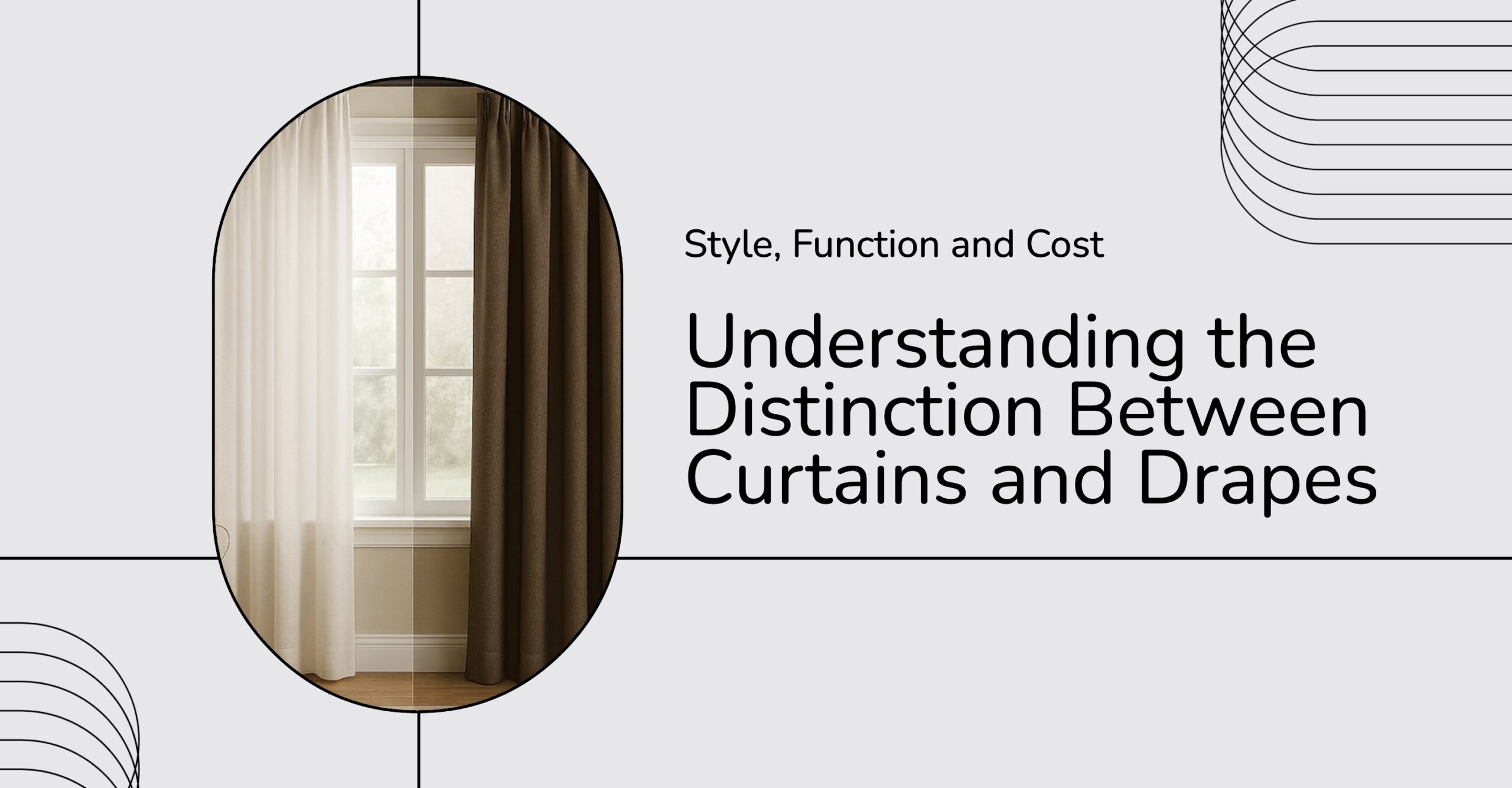
Ever found yourself using ‘curtains’ and ‘drapes’ interchangeably? You’re not alone!
Many people mix up these two terms, assuming they refer to the same thing. But while they may look similar at first glance, curtains and drapes have distinct differences that can significantly impact the look, feel, and functionality of your space.
In this article, we’ll clarify the key characteristics that set curtains and drapes apart, helping you make informed and confident design choices for your home.
By understanding the difference, you’ll unlock the benefits of better aesthetic outcomes, improved light control, and enhanced room functionality — ensuring that every window treatment you choose works perfectly for both style and purpose.
Table of Contents
- Defining Curtains: The Lighter Touch
- Defining Drapes: The Formal Statement
- Direct Comparison Table: Curtains vs. Drapes
- When to Choose Which: Practical Application
- Important Considerations for Both
- FAQ: Curtains vs. Drapes
Defining Curtains: The Lighter Touch

Definition: Curtains are generally lighter, unlined or lightly lined fabric panels, often sold in standard, ready-made sizes for easy installation.
Key Characteristics:
- Fabric: Typically made from lighter materials such as cotton, linen, voile, polyester, or sheer fabrics.
- Length: Usually shorter, falling to the windowsill, just below the sill (apron length), or occasionally extending to the floor for a more flowing look.
- Functionality: Primarily decorative, offering gentle light filtering rather than full light blockage. They provide a degree of privacy and create a soft, casual aesthetic but offer minimal insulation or sound dampening.
- Hanging: Suitable for various hanging methods, including tension rods, rod pockets, grommets (eyelets), or clip rings.
- Maintenance: Often machine washable thanks to the lighter, more durable fabrics used.
Ideal for:
- Casual living spaces such as kitchens, breakfast nooks, or children’s rooms.
- Rooms where natural light is desired without complete blocking.
- Adding a decorative touch to windows without the weight or formality of drapes.
- Layering with blinds or shades to achieve more versatile light control.
- Budget-friendly window treatments that are easy to change or refresh.
Examples of Curtain Styles/Headings: Rod pocket, grommet (eyelet), tab top, tie top, café curtains.
Defining Drapes: The Formal Statement

Definition: Drapes are heavier, often lined or double-layered fabric panels that typically reach the floor or even pool slightly for added drama. They are usually custom-made or sold in longer, more substantial sizes to create an elegant and commanding presence.
Key Characteristics:
- Fabric: Made from heavier, more luxurious materials such as velvet, silk, brocade, damask, heavy cotton, or synthetic blends. They are often lined, providing extra weight, insulation, and superior light control.
- Length: Almost always floor-length, either grazing the floor neatly or puddling slightly for a rich, opulent effect.
- Functionality: Designed for significant light blocking, especially when fitted with blackout lining. Drapes enhance privacy, offer excellent insulation (keeping warmth in during winter and coolness in summer), and provide sound dampening. They create a formal, sophisticated atmosphere.
- Hanging: Require sturdy rods or tracks to support their weight and often feature more structured, tailored headings.
- Maintenance: Typically require professional dry cleaning due to the delicate nature of heavy fabrics and linings.
Ideal for:
- Formal living rooms, dining rooms, master bedrooms, and home theatres.
- Spaces where maximum light control and privacy are needed.
- Adding a sense of luxury, grandeur, and formality to a room.
- Rooms that benefit from improved temperature regulation and noise reduction.
Examples of Drape Styles/Headings (often more structured): Pinch pleat (double, triple), tailored pleat, goblet pleat, ripple fold, box pleat.
Direct Comparison Table: Curtains vs. Drapes

| Feature | Curtains | Drapes |
|---|---|---|
| Material | Lighter (cotton, linen, voile, sheer) | Heavier, luxurious (velvet, silk, brocade, heavy cotton) |
| Lining | Unlined or light lining | Often lined (thermal, blackout) for function |
| Length | Shorter (sill, apron) or floor-length | Floor-length or puddled |
| Function | Decorative, light filtering, basic privacy | Light blocking, privacy, insulation, sound dampening |
| Aesthetic | Casual, airy, relaxed | Formal, elegant, luxurious |
| Maintenance | Often machine washable | Usually professional dry cleaning |
| Cost | Generally more affordable (ready-made) | Generally more expensive (often custom) |
| Installation | Lighter rods, tension rods | Sturdy rods, tracks |
| Versatility | More adaptable to various informal styles | Best for formal or functional needs |
When to Choose Which: Practical Application
Consider the Room’s Purpose:
- Bedrooms: Drapes, especially with blackout lining, are ideal for optimal sleep and privacy. If blocking light isn’t a concern, lighter curtains can offer a softer, airy feel.
- Living Rooms: Choose drapes for a formal, elegant look, or opt for curtains to create a more casual, inviting atmosphere.
- Kitchens / Bathrooms: Café or sill-length curtains are perfect here, providing light and privacy without getting in the way of sinks or counters.
- Dining Rooms: Drapes help set a sophisticated, polished tone, making meals feel like special occasions.
- Home Offices / Media Rooms: Drapes are excellent for controlling light, reducing glare on screens, and dampening outside noise.
Consider Desired Light Control:
Think about whether you want to softly filter daylight (curtains) or block it out entirely (drapes).
Consider Desired Privacy Level:
Sheer curtains offer light privacy, while lined or blackout drapes provide full coverage.
Consider Insulation Needs:
For better temperature control and insulation, drapes are the clear winner.
Consider Budget:
Curtains are typically more cost-effective, especially in ready-made options.
Consider Existing Décor / Style:
Match the window treatment to the room’s overall aesthetic, whether that’s casual and relaxed or formal and luxurious.
Important Considerations for Both
Measuring:
Accurate measurements are essential for both curtains and drapes. Make sure to measure the width and length carefully, accounting for how much coverage you want — whether it’s just the window frame or extending beyond for a fuller, more dramatic look. Misjudging measurements can lead to poor fit, awkward gaps, or treatments that fall short of expectations.
Hardware:
The right hardware is key to both appearance and function. Consider curtain rods, tracks, and finials, ensuring they match your décor and are sturdy enough to support the weight of your chosen fabric, especially for heavier drapes. Lightweight curtains can often work with simpler, tension-mounted rods, while drapes require robust rods or tracks securely fixed to the wall or ceiling.
Layering:
For enhanced style and functionality, curtains and drapes can be layered with blinds, shades, or sheers. This creates a versatile window treatment that allows you to adjust light, privacy, and mood throughout the day. For example, pairing sheer curtains with blackout drapes offers daytime softness and nighttime privacy.
Fabric Choice:
Beyond the type of fabric, pay attention to patterns, colours, and textures. These elements greatly influence the room’s overall look and feel. Bold patterns or rich textures can make a statement, while neutral colours or subtle weaves offer timeless elegance. Think about how the fabric will complement your existing furniture and décor.
Professional vs. DIY:
Consider when it’s worth bringing in professionals. While many curtains can be easily installed as a DIY project, drapes — particularly custom-made, lined, or very heavy designs — may benefit from professional installation to ensure perfect fit, function, and safety. Custom options can also deliver a tailored finish that’s hard to achieve with off-the-shelf treatments.
FAQ: Curtains vs. Drapes
Regarding Installation & Fit
Q: Do curtains and drapes need to touch the floor?
A: While drapes traditionally graze or even puddle slightly on the floor for an elegant look, curtains can be sill-length, apron-length (just below the sill), or floor-length. The “right” length depends on the room’s style and the functionality you want. For drapes in formal UK interiors, a slight “puddle” (2–5 cm) or gentle “break” (just touching the floor) is a common and stylish choice.
Q: How high above the window should I hang my curtain/drape rod?
A: To create the illusion of taller, grander windows, it’s generally recommended to install the rod 10–15 cm (4–6 inches) above the window frame, or even closer to the ceiling. This applies to both curtains and drapes but has the most dramatic effect with drapes.
Q: How wide should my curtains/drapes be?
A: For a full and luxurious appearance when closed, the combined width of your curtain or drape panels should ideally be 1.5 to 2.5 times the width of your window (including any overlap for the rod). Drapes often benefit from the higher end of this range (2x or 2.5x) to achieve a rich, gathered look.
Q: Can I use the same curtain rod for both curtains and drapes?
A: Not always. Light curtains can often hang on slim or tension rods, but drapes, being heavier, need sturdier rods or tracks, securely installed to handle the weight and ensure smooth opening and closing.
Regarding Functionality & Performance
Q: Are drapes always blackout?
A: No, but they are often lined with blackout or thermal fabric, especially for bedrooms. Drapes are typically designed for superior light blocking thanks to their heavy material, but curtains can also come with blackout linings if required — it’s just not a default feature.
Q: Which offers better insulation: curtains or drapes?
A: Drapes excel at insulation. Their heavier, often lined construction helps reduce heat loss in winter and keep rooms cooler in summer, making them an energy-efficient choice for UK homes.
Q: Do curtains or drapes help with noise reduction?
A: Drapes offer better sound dampening due to their thickness and layered construction, helping reduce external noise and improving room acoustics. Lighter curtains provide minimal noise reduction.
Regarding Style & Aesthetics
Q: Can curtains look formal?
A: Yes, depending on the fabric, heading, and length. For example, crisp linen curtains with a pinch pleat heading and floor-length drape can look quite formal. However, they generally will not achieve the same level of grandeur as traditional drapes.
Q: Are drapes considered old-fashioned or dated in modern UK homes?
A: Not at all. While drapes have historical roots in ornate styles, modern versions come in sleek designs and contemporary fabrics, making them a timeless choice across all types of homes, from classic period properties to minimalist new builds.
Q: Can I layer curtains and drapes together?
A: Absolutely! Layering sheer curtains with heavier drapes is a popular technique. Sheers provide privacy and soft light during the day, while drapes offer full light blocking, insulation, and a luxurious evening look, adding depth and texture to the window treatment.
Regarding Maintenance & Cost
Q: Are drapes always more expensive than curtains?
A: Generally, yes. Drapes use more fabric, heavier or premium materials, and often require custom sizing and professional installation, all of which add to the cost. Curtains, especially ready-made options, tend to be more budget-friendly.
Q: How do I clean my curtains/drapes?
A: Always check the care label. Lighter curtains, such as cotton or some polyesters, are often machine washable. Heavier drapes, especially those with linings or made from delicate fabrics like silk or velvet, typically require professional dry cleaning to maintain their quality and shape.
Ready to Transform Your Windows?
Now that you understand the key differences between curtains and drapes, you’re ready to make confident, informed choices that suit your style, needs, and budget. Whether you’re after the light, casual charm of curtains or the luxurious, insulating impact of drapes, the right window treatment can completely transform your space.
Explore the stunning range of made-to-measure curtains at DotcomBlinds — crafted to fit your windows perfectly and elevate any room. With a wide selection of fabrics, styles, and finishes, you’re sure to find the ideal look for your home.
Click here to discover your perfect curtains today!