Order Tracking
 0800 1422417
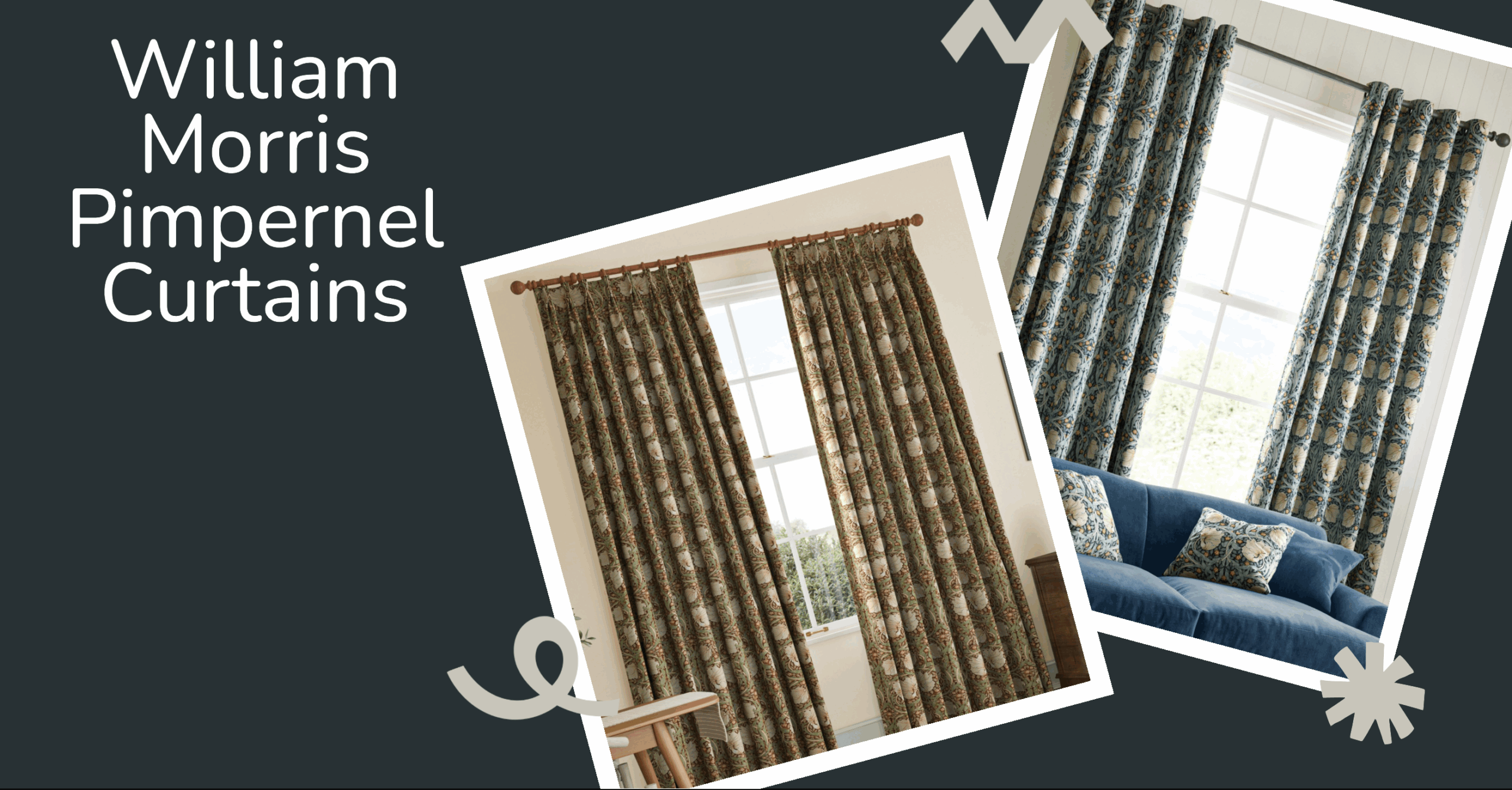
Few textile designers have had as lasting an influence on interior design as William Morris. Known for his intricate botanical patterns and dedication to craftsmanship, Morris helped shape the Arts and Crafts movement in the late nineteenth century. His designs continue to inspire modern interiors today, bringing together heritage style, natural motifs, and rich colour palettes that feel just as relevant now as they did more than a century ago.
Among Morris’s many celebrated designs, Pimpernel stands out as one of the most recognisable. First introduced in 1876, the pattern features a beautifully balanced arrangement of scrolling leaves and delicate pimpernel flowers, forming a complex yet harmonious repeating design. Its layered composition and organic flow make it particularly well suited to larger fabric applications, where the detail and rhythm of the pattern can truly shine.
This is why William Morris Pimpernel curtains remain a popular choice for homeowners looking to introduce timeless character into their living spaces. The design’s natural inspiration works effortlessly in both traditional and contemporary settings, adding depth, texture, and visual interest to windows.
At DotcomBlinds, the Pimpernel design is available as made-to-measure curtains, allowing you to enjoy this iconic Morris pattern in a range of carefully selected colourways and fabrics. With precise sizing and high-quality materials, these curtains are designed to enhance the beauty of the pattern while ensuring a perfect fit for your windows.
Who Was William Morris?
To understand the enduring appeal of William Morris Pimpernel curtains, it helps to first understand the designer behind the pattern. William Morris (1834–1896) was one of the most influential figures in British decorative arts and a leading voice in the Arts and Crafts movement. His work championed traditional craftsmanship, high-quality materials, and designs inspired by the natural world.
During the late nineteenth century, Morris became increasingly concerned about the decline in craftsmanship caused by rapid industrialisation. In response, he helped promote a return to handcrafted design and thoughtful artistry, believing that everyday objects in the home should be both functional and beautiful.
Nature played a central role in Morris’s creative process. He often drew inspiration from the plants, flowers, and landscapes surrounding his home and workshops. These natural elements became the foundation for many of his most famous textile and wallpaper patterns, which are known for their intricate detail, flowing forms, and harmonious repetition.
Over time, Morris developed a distinctive style characterised by:
-
Dense botanical patterns
-
Intertwining stems and leaves
-
Repeating organic motifs
-
Rich yet balanced colour palettes
These qualities helped his designs stand apart from the more rigid decorative styles of the period.
Today, William Morris remains one of the most respected names in textile design. His patterns are still widely used in interiors around the world, and many of his creations, including Pimpernel, continue to be admired for their craftsmanship, artistry, and timeless appeal.
The Story Behind the Pimpernel Design
The Pimpernel pattern is one of William Morris’s most intricate and visually captivating designs. Created in 1876, it reflects Morris’s deep fascination with the natural world and his ability to translate botanical forms into richly detailed textile patterns that feel both decorative and harmonious.
At first glance, the design is defined by its intertwining foliage and delicate pimpernel flowers, which weave together across the fabric in a flowing, organic rhythm. Unlike simpler floral patterns, Pimpernel features a layered composition where stems, leaves, and blossoms interact in a complex repeating structure. This creates a sense of movement and depth, allowing the eye to continuously explore the pattern without it feeling repetitive or static.
One of the reasons the design works so well in interiors is its balanced density. While the pattern is richly detailed, Morris carefully arranged the elements so that no single feature dominates. The result is a design that feels full and expressive, yet still visually balanced.
This complexity makes the Pimpernel pattern particularly effective when used on larger surfaces such as curtains. The vertical drape of curtain fabric allows the intertwining botanical forms to unfold naturally, showcasing the full rhythm and flow of Morris’s design. As light moves across the fabric throughout the day, the pattern gains even more depth and character.
More than a century after it was first created, the Pimpernel design continues to resonate with homeowners and interior designers alike. Its combination of natural inspiration, intricate craftsmanship, and timeless elegance makes it one of the most recognisable and enduring patterns in the William Morris collection.
Why William Morris Pimpernel Curtains Are So Popular
While the Pimpernel pattern is admired in many forms of interior décor, it is particularly well suited to curtains. The scale, detail, and flowing structure of the design allow it to perform beautifully when used across larger pieces of fabric, making it a natural choice for window treatments.
One of the defining characteristics of the Pimpernel design is its interconnected botanical pattern, where leaves and flowers weave together in a continuous rhythm. When applied to curtains, this repeating structure creates a sense of depth and movement that enhances the overall appearance of a room. As the fabric hangs and folds naturally, different parts of the pattern come into view, allowing the design to reveal itself gradually.
Another reason William Morris Pimpernel curtains remain so popular is their versatility. Although the pattern has historic origins, it adapts easily to a wide range of interior styles. In traditional homes, it complements classic architectural features and heritage furnishings. In more contemporary spaces, it can introduce character and visual interest without feeling overly formal.
The design also benefits from Morris’s careful approach to colour. Each colourway is thoughtfully balanced to ensure the pattern remains rich and expressive while still being practical for everyday interiors.
Homeowners often choose Pimpernel curtains for several reasons:
-
Timeless design heritage from one of Britain’s most celebrated textile designers
-
Intricate botanical pattern that adds depth and texture to windows
-
Balanced colour palettes that suit both traditional and modern interiors
-
Elegant visual impact when used as full-length curtains
Combined with the advantages of made-to-measure curtains, the Pimpernel design offers a way to bring a piece of classic British textile history into the home while still meeting the practical needs of modern living.
William Morris Pimpernel Curtain Colours
One of the reasons William Morris Pimpernel curtains remain so versatile is the variety of colourways available. While the intricate botanical pattern stays true to Morris’s original design, different colour palettes allow the fabric to suit a wide range of interiors, from traditional living spaces to more contemporary rooms.
At DotcomBlinds, the Pimpernel design is available in several carefully selected colour options, each offering its own character and styling potential.
Pimpernel Brick

The Brick colourway introduces warm, earthy tones that echo the heritage aesthetic often associated with Morris designs. Rich reds and deep natural shades give the pattern a strong presence, making it particularly effective in rooms with traditional décor.
Brick works especially well alongside:
-
Dark wooden furniture
-
Classic interior colour schemes
-
Period-style living rooms or dining rooms
This colourway can add warmth and depth to a space, making it a strong choice for rooms where you want the curtains to become a focal point.
Pimpernel Flint

The Flint colourway offers a more subtle and neutral interpretation of the Pimpernel design. Softer tones allow the pattern to remain detailed and expressive without dominating the room.
Because of its understated palette, Flint can work particularly well in:
-
Modern or transitional interiors
-
Living rooms with neutral colour schemes
-
Spaces where a patterned curtain is desired without overwhelming the décor
It provides a balanced way to introduce the Morris pattern while maintaining a calm and sophisticated look.
Pimpernel Indigo

The Indigo version of the Pimpernel design features deep blue tones that bring a sense of elegance and richness to the fabric. Blue has long been associated with classic Morris textiles, and the Indigo colourway continues that tradition with a palette that feels both timeless and refined.
Indigo Pimpernel curtains often suit:
-
Bedrooms seeking a calm yet decorative feature
-
Living rooms with navy or darker accent colours
-
Interiors aiming for a more dramatic window treatment
The darker tones help emphasise the intricate detailing of the pattern, creating strong visual contrast across the design.
Pimpernel Nettle

The Nettle colourway highlights the natural inspiration behind the Pimpernel design. With green tones reflecting the botanical origins of the pattern, this version brings a fresh and organic feel to a room.
Nettle works particularly well in interiors that embrace:
-
Nature-inspired décor
-
Soft neutral colour palettes
-
Light, airy living spaces
The green hues reinforce the garden-inspired aesthetic that was central to many of William Morris’s designs, making it an excellent choice for homeowners who appreciate classic botanical patterns.
Each colourway allows the Pimpernel design to express a slightly different mood while preserving the distinctive character that has made this Morris pattern so widely admired.
Fabric Options: Standard Fabric vs Velvet
When choosing William Morris Pimpernel curtains, the fabric can play an important role in how the pattern looks and feels within a room. At DotcomBlinds, the Pimpernel design is available in both standard curtain fabric and velvet, allowing homeowners to select the option that best suits their interior style and practical requirements.
While the pattern itself remains the same, the choice of fabric can influence everything from the visual richness of the design to how the curtains drape and interact with light.
Standard Fabric Pimpernel Curtains

Standard fabric Pimpernel curtains offer a classic and versatile option that works well in many different rooms throughout the home. The smooth surface of the fabric allows the intricate Morris pattern to remain crisp and clearly defined, making it easy to appreciate the delicate leaves and flowers that form the design.
These curtains are particularly well suited to spaces where you want to introduce pattern without making the window treatment feel overly heavy.
Standard fabric curtains are often chosen for:
-
Living rooms and family rooms
-
Dining rooms
-
Home offices
-
Spaces with lighter interior styling
Because the fabric drapes naturally and maintains a balanced weight, it allows the Pimpernel design to appear elegant and decorative while remaining practical for everyday use.
Pimpernel Velvet Curtains

For homeowners seeking a richer and more luxurious window treatment, Pimpernel velvet curtains offer a striking alternative. Velvet fabric adds depth and texture to the design, enhancing the colours and giving the pattern a more dramatic presence.
The soft pile of velvet reflects light differently from standard fabrics, which can subtly highlight different elements of the pattern throughout the day. This creates a sense of visual depth that works particularly well with Morris’s layered botanical designs.
Velvet Pimpernel curtains are often ideal for:
-
Bedrooms
-
Formal living rooms
-
Rooms where a statement window feature is desired
-
Interiors with classic or luxurious styling
In addition to their visual appeal, velvet curtains can also provide practical benefits such as improved insulation and a heavier drape, helping them hang beautifully across the window.
Both fabric options allow the Pimpernel pattern to shine, but each creates a slightly different atmosphere. Standard fabric offers timeless versatility, while velvet introduces an added sense of richness and texture.
Curtain Heading Options Available
When ordering William Morris Pimpernel curtains, the curtain heading plays an important role in both the appearance and functionality of the finished window treatment. Different heading styles influence how the curtains hang, how the fabric folds, and how they interact with curtain poles or tracks.
At DotcomBlinds, Pimpernel curtains are available with several heading options, allowing homeowners to choose a style that suits both their interior décor and the way their curtains will be installed.
Pencil Pleat Curtains
Pencil pleat is one of the most traditional curtain heading styles and remains a popular choice for both classic and modern interiors. This heading creates a series of tightly gathered folds along the top of the curtain, resembling the neat row of pencils that gives the style its name.
One of the main advantages of pencil pleat curtains is their versatility. They can be used with curtain tracks or curtain poles, making them suitable for a wide range of window setups.
Key features of pencil pleat curtains include:
-
A timeless, traditional appearance
-
Soft, uniform folds across the top of the curtain
-
Compatibility with both tracks and poles
-
Adjustable gathering to control fullness
For patterned fabrics such as the William Morris Pimpernel design, pencil pleats can create an elegant drape that allows the pattern to flow naturally across the curtain panels.
Eyelet Curtains
For a more contemporary look, eyelet curtains provide a clean and modern alternative. This heading style uses evenly spaced metal rings that are built directly into the top of the curtain, allowing the fabric to slide smoothly onto a curtain pole.
Eyelet curtains create large, uniform folds that run from the top of the curtain to the floor. This structured drape can work particularly well with bold patterns like Pimpernel, as it allows the design to be displayed clearly across the fabric.
Benefits of eyelet curtains include:
-
A modern and streamlined appearance
-
Smooth opening and closing along the pole
-
Large, even folds that highlight the curtain fabric
-
Simple installation on curtain poles
Choosing the right heading style can help ensure that William Morris Pimpernel curtains complement the rest of the room while also functioning smoothly as part of the window treatment.
Why Made-to-Measure Curtains Work Best for Morris Designs
When working with richly detailed patterns such as William Morris Pimpernel, the way the fabric is sized and fitted can significantly influence the final result. This is one reason why made-to-measure curtains are often the best choice for showcasing Morris designs.
Unlike ready-made curtains, which are produced in standard widths and drops, made-to-measure curtains are tailored specifically for the dimensions of each window. This ensures the fabric hangs correctly, the proportions of the curtain are balanced, and the pattern is displayed to its full effect.
With intricate designs like Pimpernel, accurate sizing is particularly important. The pattern contains intertwining leaves and floral elements, and when curtains are carefully measured and crafted, the fabric can drape naturally without appearing compressed or uneven.
Made-to-measure curtains also allow homeowners to select details that enhance the finished look, including fabric choice, heading style, and overall fullness. These factors help ensure the curtains complement both the window and the surrounding interior décor.
Some of the key advantages of made-to-measure Pimpernel curtains include:
-
Precise fit for your window dimensions
-
Better pattern presentation across the curtain panels
-
Improved drape and fullness compared with standard sizes
-
Greater choice of heading styles and fabrics
-
A more refined and tailored finish
For heritage patterns like those created by William Morris, this level of precision helps ensure the design is displayed in a way that reflects the craftsmanship and detail that made the original textiles so admired.
By choosing made-to-measure William Morris Pimpernel curtains, homeowners can enjoy a window treatment that not only fits perfectly but also allows the beauty of the iconic pattern to be appreciated at its best.
Styling Ideas for William Morris Pimpernel Curtains
The intricate botanical design of William Morris Pimpernel curtains makes them a striking feature in almost any room. However, the key to using such a detailed pattern successfully is balancing it with the surrounding décor. When styled thoughtfully, Pimpernel curtains can add character, warmth, and visual depth without overwhelming the space.
Because the design draws heavily from nature, it works particularly well in interiors that embrace natural materials, traditional craftsmanship, and layered textures.
Traditional and Period Homes
Pimpernel curtains feel especially at home in Victorian, Edwardian, or period-style properties, where the design reflects the same decorative heritage as the architecture.
In these settings, the pattern pairs beautifully with:
-
Wooden flooring or parquet floors
-
Classic wall colours such as creams, soft greens, and heritage blues
-
Antique or traditional furniture
-
Decorative mouldings and panelled walls
The detailed Morris pattern complements these architectural features while reinforcing the historic character of the space.
Country and Heritage-Inspired Interiors
For homes inspired by country or cottage interiors, Pimpernel curtains can add depth and richness while maintaining a natural aesthetic. The botanical elements of the design align well with interiors that incorporate natural textures and organic colour palettes.
They work particularly well alongside:
-
Wooden furniture and rustic finishes
-
Woven textiles and soft furnishings
-
Neutral wall colours with subtle earthy tones
-
Botanical artwork or nature-inspired décor
This approach allows the curtains to enhance the room’s connection to nature, which was central to Morris’s design philosophy.
Contemporary Spaces
Although Pimpernel originates from the nineteenth century, it can also work effectively in modern interiors when used carefully. In contemporary spaces, the curtains often act as a statement feature that introduces pattern and personality to an otherwise minimal design.
To achieve this balance:
-
Pair Pimpernel curtains with neutral walls and simple furniture
-
Avoid introducing too many additional patterns nearby
-
Allow the curtains to act as the main decorative feature of the room
This contrast between modern simplicity and historic pattern can create a sophisticated and distinctive interior style.
By choosing the right colourway and combining it with complementary materials and furnishings, William Morris Pimpernel curtains can become a central design element that enhances both traditional and modern living spaces alike.
Discover William Morris Pimpernel Curtains at DotcomBlinds
For homeowners who appreciate classic textile design, William Morris Pimpernel curtains offer a distinctive way to bring heritage style into the home. With their intricate botanical pattern and carefully balanced colour palettes, Pimpernel curtains can add depth, character, and timeless elegance to a wide variety of interiors.
At DotcomBlinds, the Pimpernel design is available as made-to-measure curtains, ensuring each set is tailored precisely to your window dimensions. This allows the pattern to be displayed beautifully across the fabric while providing a refined finish that ready-made curtains often cannot achieve.
Customers can choose from several carefully selected colourways, including Brick, Flint, Indigo, and Nettle, each offering its own interpretation of Morris’s iconic design. In addition, the option of standard curtain fabric or luxurious velvet allows you to select a finish that complements both your décor and the atmosphere you want to create within the room.
With a choice of curtain heading styles such as pencil pleat and eyelet, it is also easy to match your curtains with existing poles or tracks while achieving the look that suits your interior.
DotcomBlinds combines an easy online ordering experience with years of expertise in made-to-measure window coverings, helping customers achieve a precise fit and a high-quality finish. By choosing William Morris Pimpernel curtains from DotcomBlinds, you can introduce one of Britain’s most celebrated textile patterns into your home while enjoying the practical benefits of expertly crafted, custom-sized curtains.