Order Tracking
 0800 1422417
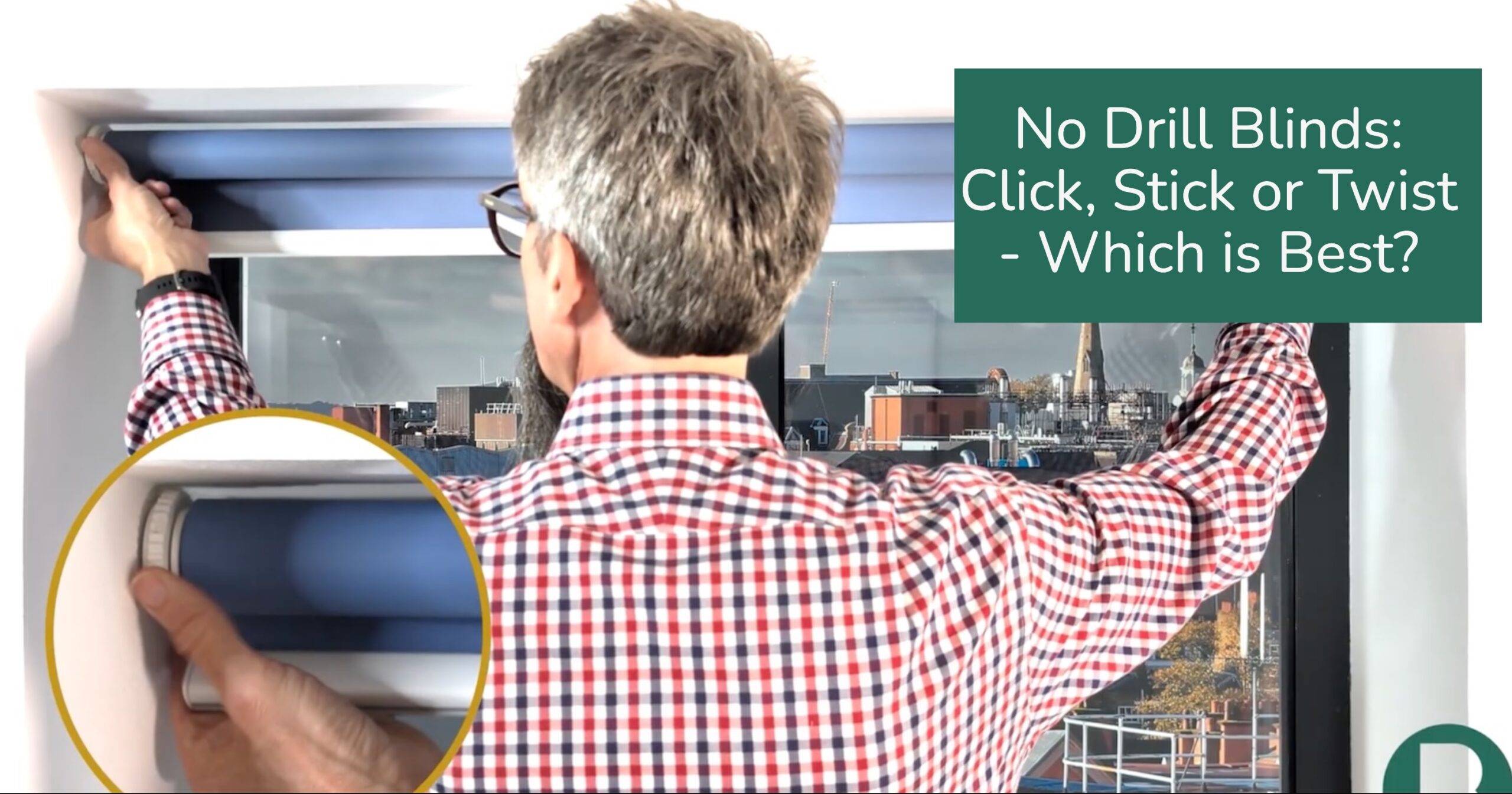
Imagine this: you’ve just bought a beautiful new set of blinds, excited to install them in your home. But then, you realise the installation process requires drilling holes into your walls or windows, making a mess with dust, dealing with tools you may not even have, and potentially leaving permanent marks or damage. Suddenly, the task doesn’t feel quite as enjoyable, right? Whether you’re living in a rental, don’t want to deal with complicated DIY, or simply need a quick solution for your windows, traditional blind installation can be a hassle.
This is where no-drill blinds come in. These innovative blinds are designed to offer all the privacy, light control, and style of traditional options—without the need for tools, screws, or the mess of drilling into your walls or window frames. They’re an excellent solution for those looking for a simple, temporary, or non-invasive window treatment.
No-drill blinds are especially ideal for renters, who want to avoid making permanent changes to the property, as well as DIY avoiders who would rather not spend time on a complicated installation process. They also work well for people with specific window types that might not be suitable for traditional blinds, or anyone in need of a quick, hassle-free fix.
In this article, we’ll explore three main types of no-drill blinds—Click, Stick, and Twist. We’ll break down the benefits and drawbacks of each, helping you decide which option is best for your needs. Whether you’re a renter, someone new to blinds, or simply looking for an easy solution, we’ve got you covered!
Click-in/Push-in Blinds (e.g., Perfect Fit, Intu Blinds)

Mechanism Explained
Click-in or push-in blinds are one of the most popular no-drill solutions on the market, thanks to their easy installation and sleek appearance. These blinds work by clipping directly into the uPVC window frame’s beading—the rubber seal that sits around the glass. The “Perfect Fit” frame, which holds the blinds in place, is designed to sit snugly within this beading, offering a seamless and neat integration with your window.
The beauty of these blinds lies in the fact that no drilling or screws are required. The frame simply clips into place, making installation quick and hassle-free. This design ensures that there are no permanent fixtures, which is a major advantage for renters or anyone who doesn’t want to damage their window frames.
Types of Blinds Available
Click-in blinds come in a wide variety of styles, offering flexibility to match different preferences and needs. Some common options include:
- Pleated Blinds
- Venetian Blinds
- Roller Blinds
- Cellular/Honeycomb Blinds
These types of blinds, when installed with a click-in mechanism, can provide the same level of privacy and light control as traditional blinds, but with the added benefit of easy installation and removal.
Pros
- Seamless Integration: The blinds sit flush with the window frame, giving your windows a tidy and integrated look. This clean aesthetic makes them a great choice for modern homes.
- Child Safe: Most click-in blinds are cordless or tensioned, reducing the risk of accidents with hanging cords, which is particularly important in homes with young children or pets.
- Energy Efficiency: Certain types of click-in blinds, such as cellular/honeycomb blinds, can provide an extra layer of insulation. This helps to regulate the temperature in your home by keeping it cooler in the summer and warmer in the winter.
- Maintains Warranty: Because these blinds don’t require drilling, they won’t damage the window frame, which is crucial for renters or people living in newly-built homes where warranties need to be preserved.
- Easy to Clean: Click-in blinds can usually be removed quickly for cleaning, making it easy to maintain a dust-free and tidy living space.
- Ideal for Doors: These blinds are perfect for doors, especially French doors or bifold doors. They move along with the door, ensuring that they never get in the way or become damaged.
Cons
- uPVC Windows Only: One of the major limitations of click-in blinds is that they are only suitable for uPVC window frames. They won’t work on wooden, aluminium, or metal frames, which can restrict their use in certain homes.
- Requires Beading: For these blinds to function properly, the window must have a specific type of beading around the glass, and the depth of the beading needs to be compatible with the Perfect Fit frame. This could limit their applicability depending on the window design.
- Can Be Pricier: While convenient and stylish, click-in blinds tend to be more expensive than other no-drill options or basic blinds that require drilling. The added technology and sleek design come at a higher cost.
- Limited Customisation: For homeowners with unusually shaped windows or non-standard sizes, the range of click-in blinds may not offer the level of customization needed. This can be a drawback for those with specific design requirements.
Installation Tips
To ensure a smooth installation, accurate measurements are key. Be sure to measure the visible glass and the bead depth accurately, as these measurements will determine the correct fit for the Perfect Fit frame. Taking the time to measure properly will ensure a perfect installation that’s both functional and visually pleasing.
Stick-On/Adhesive Blinds

Mechanism Explained
Stick-on or adhesive blinds are a fantastic no-drill solution that require minimal effort and time to install. These blinds utilise a strong adhesive strip—typically placed on the headrail—to stick directly to the window frame or even the glass itself. The adhesive bonds securely to smooth, clean surfaces, providing an easy way to hang blinds without the need for screws or drilling.
While adhesive blinds are most commonly seen as temporary paper blinds, which are great for short-term use, they also come in more durable materials, such as roller blinds or pleated blinds, offering a practical yet budget-friendly option for those seeking a no-fuss installation.
Types of Blinds Available
Adhesive blinds come in various forms, including:
- Temporary Paper Blinds: Ideal for a quick and easy solution, these are commonly used in homes or apartments where long-term window treatment isn’t necessary.
- Pleated Blinds: Available with an adhesive backing, these offer a more stylish and durable option for a sleek, modern look.
- Lightweight Roller Blinds: These can be found with adhesive applications, providing a simple and functional solution for windows in need of light control and privacy.
These blinds are versatile, available in different styles and materials, to suit a variety of needs and preferences.
Pros
- Extremely Easy Installation: With a simple peel-and-stick application, installing adhesive blinds takes virtually no effort. You can quickly hang the blinds without any need for tools, screws, or mess.
- Very Affordable: Stick-on blinds, especially temporary paper blinds, are an affordable option, making them a great choice for those on a tight budget or anyone looking for a temporary window solution.
- Versatile: One of the key benefits of adhesive blinds is their ability to stick to almost any smooth, clean surface. This includes uPVC, wood, metal, and glass, making them suitable for a variety of window frames and surfaces that may not traditionally support drilled blinds.
- Temporary Solutions: Perfect for new homes, renovations, or those who need a temporary privacy solution during short-term stays (such as in rented accommodation or student housing), adhesive blinds are quick to install and remove.
- No Damage: As there are no screws or holes involved, these blinds are ideal for renters or anyone who wants to avoid causing damage to their window frames or walls.
Cons
- Adhesive Longevity: Over time, the adhesive can weaken, especially in areas with fluctuating heat or humidity. This can cause the blinds to peel away from the window, making them less reliable in long-term use. Additionally, the adhesive might leave residue upon removal, which could be difficult to clean.
- Weight Limit: Stick-on blinds are typically only suitable for lightweight blinds. Heavier blinds may not stay securely attached, causing them to sag or fall off the window.
- Aesthetics: While many adhesive blinds are functional, temporary options (especially paper blinds) can lack the refined look of traditional blinds. They may not provide the polished or sophisticated appearance desired in certain rooms or settings.
- Less Durable: These blinds may not hold up well to frequent adjustments or handling. The adhesive might lose its effectiveness with constant opening and closing, making them less durable than other types.
- Sunlight Degradation: Prolonged exposure to direct sunlight may cause the adhesive to degrade more quickly, potentially causing the blinds to lose their grip or the material to deteriorate.
Installation Tips
To ensure a solid and lasting bond, clean the surface thoroughly before sticking the blinds. Dust, dirt, or grease can affect how well the adhesive sticks, so use a gentle cleaner and allow the surface to dry completely before applying the blinds. Taking these steps will help ensure a clean, secure application and improve the longevity of the adhesive bond.
Tension/Twist-in Blinds (e.g., Pressure Fit, Spring Loaded)

Mechanism Explained
Tension or twist-in blinds operate using a spring-loaded tension rod that fits snugly within the window recess. The rod expands slightly, creating pressure against the side walls of the recess to hold the blind securely in place without the need for drilling or permanent fixtures. This pressure-based mechanism is simple yet effective, allowing for quick installation and removal.
These blinds are commonly seen in roller blinds, Roman blinds, or even net curtains that are mounted on tension rods. The ease of use and versatility of this design make it an appealing option for many homeowners and renters alike.
Types of Blinds Available
Tension rods can be used with several types of blinds, including:
- Roller Blinds: Available in various fabrics and patterns, these provide excellent light control and privacy.
- Pleated Blinds: Often chosen for their compact design, these are great for adding texture and softness to windows.
- Roman Blinds: Known for their elegant look, these blinds fold neatly when raised, offering a more formal appearance.
- Net Curtains: These provide light filtration while maintaining privacy, perfect for rooms that need a softer, airy feel.
The wide range of blind types that can be used with tension rods makes them a flexible solution for various window treatments.
Pros
- Highly Versatile: Tension rods can be used in virtually any window recess, regardless of the frame material, such as uPVC, wood, or metal. This makes them ideal for different types of windows and homes.
- Easy to Install & Remove: The twist and fit installation process is straightforward and quick, requiring no tools or professional help. Simply twist the tension rod into place, and you’re done.
- No Damage: Since no drilling is involved, tension-in blinds leave no marks or holes on the walls or window frames, making them perfect for renters or those avoiding damage to their property.
- Cost-Effective: Generally, tension rod blinds are more budget-friendly compared to other no-drill options. This makes them a great choice for those looking for an affordable solution.
- Good for Renters: The ability to install and remove these blinds without causing any damage makes them an excellent choice for temporary solutions in rental properties.
- Ideal for Smaller Windows: Tension rod blinds work particularly well in smaller or tighter window spaces, offering a simple solution for windows that may be challenging to fit with more traditional blinds.
Cons
- Requires a Recess: For the tension rod to work effectively, your window must have an inside recess. This can be limiting if your window doesn’t have a recessed frame or if it’s shallow.
- Can Slip: If the tension rod is not adjusted properly or the surface inside the recess is too smooth, the rod can slip out of place, causing the blinds to fall down. It’s important to ensure that the rod is tensioned securely.
- Weight Limitation: Tension rods work best with lighter blinds. They are not suitable for very wide or heavy blinds, as the pressure may not be enough to keep them in place.
- Less Secure: Tension rods may not be as secure as other no-drill options like click-in or adhesive blinds. They can be knocked down more easily, especially in high-traffic areas or if the blinds are frequently adjusted.
- Aesthetic Limitations: The visible tension rod may not be as discreet as other no-drill blind options, particularly if you prefer a clean, hidden installation. The rod can detract from the overall look of the room, especially in more formal or refined spaces.
Installation Tips
To ensure the best fit, it’s crucial to measure the exact width of your window recess before purchasing the blinds. Accurate measurements will help ensure the tension rod fits snugly and stays in place. Additionally, ensure there is enough tension in the rod to keep the blinds securely mounted. If the tension is too loose or the surface of the recess is too smooth, the rod might slip down. Checking that the rod is properly tensioned before use can help avoid this issue.
Key Considerations When Choosing No-Drill Blinds

Choosing the right no-drill blinds for your home depends on several factors. It’s essential to consider the specifics of your windows, your privacy and light control needs, the durability of the blinds, your budget, aesthetics, safety concerns, and how easy the installation and maintenance will be. Let’s break down these key considerations to help you make an informed decision.
Window Type & Material
Before selecting a no-drill blind, it’s important to evaluate your window type and material. Different blinds work better with specific types of window frames:
- uPVC: Many no-drill blinds, such as click-in blinds (e.g., Perfect Fit), are designed specifically for uPVC windows. They clip into the window’s beading and require a specific depth of the bead to fit properly.
- Wood: Stick-on or adhesive blinds can work on wood, but you’ll need a smooth, clean surface for the adhesive to bond effectively. Tension blinds also work well here, as long as the window recess allows for the tension rod.
- Aluminium: While stick-on or tension blinds can fit aluminium frames, be aware that the surface may not hold adhesives as well as wood or uPVC. Click-in blinds typically won’t work unless the window frame is uPVC.
Additionally, consider whether you have a recess for tension or click-in blinds. Some windows may not have a deep enough recess to accommodate these options effectively. For windows without a recess, adhesive blinds might be your best bet, as they can stick directly to flat surfaces like the glass itself.
Privacy & Light Control Needs
Your privacy and light control requirements will heavily influence your choice of blind:
- Blackout Blinds: If you’re after total darkness (for bedrooms or media rooms), look for blackout options. Some click-in and adhesive blinds come in blackout fabrics, while others (like tension blinds) may only provide partial light control.
- Privacy Blinds: If you’re simply looking to block the view from outside without complete darkness, privacy blinds might be ideal. Many no-drill options can help you maintain privacy while still allowing some light to filter through.
- Sheer Blinds: If you prefer natural light and a soft, airy feel, sheer blinds may be the best choice. Stick-on or tension blinds made of lightweight, sheer fabrics can filter sunlight while keeping the outside world from peeking in.
Additionally, consider how often the blinds will be adjusted. If you plan to frequently raise and lower the blinds (e.g., in the living room or kitchen), you’ll need a solution that can withstand repeated use, such as click-in or tension blinds. Stick-on blinds, on the other hand, may not hold up as well to frequent adjustments.
Durability & Longevity
Think about whether you need a temporary or long-term solution:
- Temporary: If you’re looking for something that can be easily removed (for a rental property, for example), adhesive and tension blinds are great options. They offer convenience without leaving permanent damage.
- Long-Term: For a more permanent solution, click-in blinds (like Perfect Fit) tend to be more durable and secure, making them suitable for long-term use, especially in high-traffic areas.
Additionally, if you live in a high-traffic area or a space prone to wear and tear (like a hallway or children’s room), choose a more durable option, such as click-in or spring-loaded blinds, as they’re more likely to withstand frequent adjustments and use.
Budget
Your budget plays a key role in narrowing down your choices:
- Entry-Level: If you’re on a tight budget, adhesive blinds and tension blinds are typically the most affordable options. Temporary paper blinds can also be a great budget-friendly solution.
- Mid-Range: For a more durable and stylish option, click-in or pressure-fit blinds (like Perfect Fit) are a good choice. These are still relatively affordable but offer better longevity and a more refined look.
- Premium: If you’re willing to invest more, high-quality motorised or designer no-drill blinds can provide both convenience and style. Premium options offer better aesthetics, durability, and customisation.
Aesthetics & Style
How integrated do you want your blinds to look? Some no-drill options provide a more seamless and refined appearance:
- Click-in/Push-in Blinds: These tend to look the most integrated and sleek, as the frame fits flush with the window, creating a clean, tidy look.
- Stick-on/Adhesive Blinds: While functional, some temporary adhesive options (like paper blinds) might not provide the same polished aesthetic. However, adhesive roller and pleated blinds are often more stylish and refined.
- Tension/Twist-in Blinds: The visible tension rod can be a bit of an eyesore, especially if you’re after a minimalist or sleek look. However, these blinds are perfect for smaller windows or as a temporary solution.
When choosing, consider the overall décor of the room and how you want the blinds to complement the space.
Child & Pet Safety
If you have young children or pets, safety is a top priority. Many no-drill blinds, especially click-in and tension blinds, can be cordless or have tensioned systems, making them much safer in homes with little ones or curious pets.
Cordless options are often the best choice for child and pet safety, as they eliminate the risk of accidental strangulation. If you’re opting for tension or click-in blinds, make sure they come with safety features like tensioned cords or are entirely cordless.
Ease of Installation & Removal
How comfortable are you with DIY? If you prefer an easy, no-fuss installation, then adhesive blinds or tension blinds may be the way to go. These options require little to no skill and can be installed quickly, making them ideal for anyone looking for a hassle-free solution.
If you need to remove and reinstall the blinds frequently (for cleaning, temporary needs, or when moving), adhesive and tension blinds are often the easiest to take down and replace without causing any damage.
Maintenance & Cleaning
Finally, consider how easy it is to maintain your blinds:
- Stick-on and Tension Blinds: These are often the easiest to clean, especially if you can remove the blinds entirely for washing. However, the adhesive might lose its effectiveness over time, especially if exposed to dust or dirt.
- Click-in Blinds: While they’re easy to clean once installed, the frame may need more care to ensure it stays free from dust and dirt. However, their durability means you likely won’t need to clean them as often as adhesive options.
For each type, think about the level of maintenance you’re willing to put in and whether the blinds can withstand cleaning without degrading over time.
The Verdict: Which is Best?
When choosing the ideal no-drill blinds for your space, there is no one-size-fits-all answer. The best option depends on your specific needs, window type, budget, and how you plan to use the blinds. Here’s a nuanced look at which type of blind suits different scenarios:
- Best for uPVC Windows & Seamless Look: Click-in/Perfect Fit blinds are the perfect choice if you have uPVC windows and want a seamless, integrated appearance. These blinds provide a clean, polished look and are designed to fit perfectly into the beading of uPVC windows, creating a neat and sophisticated window treatment. They are durable, easy to clean, and maintain the integrity of your window frames—ideal for long-term use.
- Best for Temporary Solutions & Budget-Friendly: Stick-on/Adhesive blinds are perfect if you need a temporary or budget-friendly solution. They require minimal installation effort and are ideal for renters or anyone who needs to quickly add privacy and light control. While not the most durable, they offer great flexibility and can be used on any smooth surface, including glass, wood, and metal. If you’re looking for an affordable, no-fuss fix, this is the option for you.
- Best for Versatility (Any Window Recess) & Renters: Tension/Twist-in blinds are an excellent choice for those with a variety of window types. These blinds can fit into any window recess, regardless of the material, and can easily be installed or removed without leaving any damage. They’re ideal for renters who want a temporary solution that doesn’t involve drilling, and the easy installation makes them accessible for those who want a simple DIY project. While they may not be the most secure for heavy or wide blinds, they are great for smaller windows and offer good versatility.
- Best for Specific Situations: If you have bifold doors, French doors, or a conservatory, Perfect Fit blinds are often the best option. These blinds move with the door, maintaining a sleek and functional look that is both stylish and practical. They provide excellent insulation and light control and are ideal for windows or doors that need to be frequently opened and closed.

Visual Flowchart: Which No-Drill Blind is Right for You?
Here’s a flowchart to help you quickly assess which blind suits your needs based on key criteria.
-
Do you have uPVC windows?
-
Yes: Go for Click-in/Perfect Fit.
-
No: Continue to the next question.
-
-
Do you need a temporary or budget-friendly solution?
-
Yes: Opt for Stick-on/Adhesive.
-
No: Continue to the next question.
-
-
Do you need versatility for different window recess types?
-
Yes: Go for Tension/Twist-in.
-
No: Consider Click-in/Perfect Fit for a more permanent solution.
-
-
Do you need blinds for doors (e.g., bifold or French doors)?
-
Yes: Click-in/Perfect Fit is ideal for doors, as it moves with the door.
-
No: Either Click-in/Perfect Fit or Tension/Twist-in will work depending on your preference.
-
Frequently Asked Questions About No-Drill Blinds
General No-Drill Blind Questions
Q: What exactly are “no-drill” blinds?
A: No-drill blinds are innovative window coverings that install without the need for drilling holes into your window frames or walls. They use various clever mechanisms like adhesive strips, tension rods, or clip-in frames to provide privacy and light control, making them ideal for renters or anyone who wants to avoid DIY damage.
Q: Are no-drill blinds truly secure? Will they fall down?
A: When installed correctly on suitable surfaces and within their weight/size limitations, no-drill blinds are very secure. The key is to choose the right type for your window and follow the manufacturer’s installation instructions precisely.
Q: Can I use no-drill blinds on any type of window (uPVC, wood, aluminum, etc.)?
A: It depends on the specific type of no-drill blind. “Click-in” or “Perfect Fit” blinds are generally designed for uPVC windows. “Stick-on” blinds are highly versatile for most smooth surfaces (wood, uPVC, glass, metal). “Tension/Twist-in” blinds require an inside window recess. Always check the product specifications for compatibility.
Q: Are no-drill blinds suitable for rental properties?
A: Absolutely! This is one of their biggest advantages. Since they don’t cause permanent damage to walls or window frames, they’re perfect for renters who need temporary solutions and want to ensure they get their security deposit back.
Q: Do no-drill blinds offer good light blocking and privacy?
A: Yes, like traditional blinds, no-drill blinds come in various opacities, from sheer to blackout, and can be made from materials like pleated fabric, Venetian slats, or roller blind fabric. The level of light blocking and privacy depends on the specific blind material and design chosen.
Q: Are no-drill blinds child and pet-safe?
A: Many no-drill blinds, especially Perfect Fit and some tension-fit designs, are inherently cordless or have concealed cords, making them a very safe option for homes with children and pets. Always look for “child-safe” or “cordless” features when purchasing.
Q: How do I clean no-drill blinds?
A: Cleaning methods vary by material. Fabric blinds can usually be spot-cleaned or lightly vacuumed. Venetian or faux wood slats can be wiped with a damp cloth. Refer to the specific product’s care instructions. Many click-in blinds are easy to remove for thorough cleaning.
Questions About Click-in / Perfect Fit Blinds
Q: What are the main advantages of Perfect Fit blinds?
A: They offer a very neat, integrated look as they become part of the window frame, are often cordless for safety, and allow windows (including tilt-and-turn) to open and close normally with the blinds in place. They are also excellent for bi-fold or French doors.
Q: Can Perfect Fit blinds be installed on wooden or aluminum windows?
A: Generally, Perfect Fit blinds are designed for uPVC windows with rubber beading around the glass. While some specialist versions might exist, they are not typically recommended for wooden or aluminum frames.
Q: Do Perfect Fit blinds affect window warranties?
A: No, because they clip into the window beading and don’t involve drilling or screwing into the frame, they should not void your window’s warranty.
Q: How do I measure for Perfect Fit blinds?
A: You typically measure the visible glass width and height, and sometimes the depth of the window beading. It’s crucial to measure accurately in several places and provide the smallest measurements to ensure a snug fit. Always consult the retailer’s specific measuring guide.
Questions About Stick-On / Adhesive Blinds
Q: How strong is the adhesive on stick-on blinds?
A: The adhesive is usually strong enough for lightweight blinds and temporary solutions. Its longevity can be affected by heat, humidity, and the surface it’s applied to. High-quality adhesive blinds will last longer.
Q: Will stick-on blinds damage my window frame or leave residue when removed?
A: Generally, stick-on blinds are designed to be removable without damage. However, on some painted surfaces or if left for a very long time, a slight residue might remain, which can usually be cleaned off with appropriate solutions (e.g., rubbing alcohol for sticky residue). Using a hairdryer to gently warm the adhesive can help with removal.
Q: Are stick-on blinds suitable for bathrooms or kitchens where there’s moisture?
A: It depends on the specific product. While the adhesive might be less effective in very humid environments over time, many modern adhesive blinds are designed to withstand some moisture. Look for products specifically marketed as “moisture-resistant.”
Questions About Tension / Twist-in Blinds
Q: Do tension rods work on all window types?
A: Tension rods work best within a window recess where there are two opposing, flat, solid surfaces for the rod to press against. They are suitable for most window materials as long as a recess is available.
Q: How much weight can a tension rod hold?
A: Tension rods are typically designed for lightweight blinds or net curtains. Heavier blinds may cause the rod to slip or fall. Always check the weight capacity specified by the manufacturer.
Q: My tension blind keeps slipping down. What can I do?
A: Ensure the surfaces are clean and dry, as dust or moisture can reduce grip. Increase the tension by twisting the rod further. Some people add rubber pads to the ends for extra grip, or use a small dab of hot glue (removable with heat) to temporarily secure it if it’s a permanent spot.
Q: Can I use a tension rod for a wide window?
A: Tension rods come in various lengths, but very wide windows might exceed their effective span or weight capacity, leading to sagging or instability. For wider windows, consider multiple tension rods or a different no-drill solution.
Ready to Find the Perfect No-Drill Blinds for Your Home?
Now that you have all the details on Click-in, Stick-on, and Tension/Twist-in blinds, it’s time to make your choice! Whether you’re a renter looking for a temporary solution, a homeowner wanting a sleek, no-drill installation, or someone simply seeking convenience, there’s a no-drill blind option that fits your needs.
Don’t settle for anything less than the perfect window treatment. Browse our full range of no-drill blinds today, and discover a hassle-free, stylish, and secure solution for your windows. Click here to shop now and find your ideal blinds, or contact us for expert advice and tailored recommendations!
Transform your space without the mess of drilling—easy, efficient, and elegant. Let us help you take the first step toward better blinds today!