Order Tracking
 0800 1422417
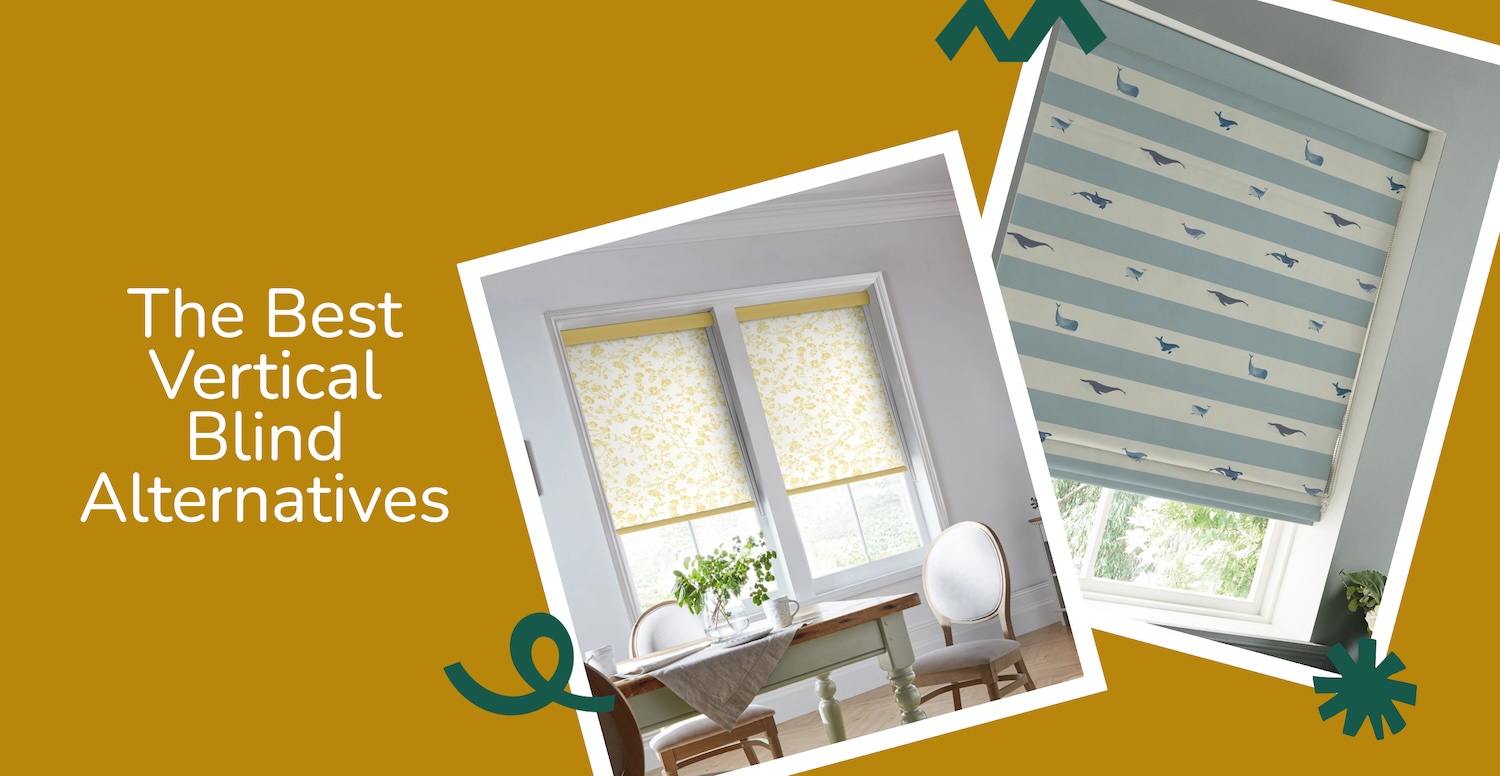
Vertical blinds have been a household staple for decades, offering a simple way to cover large windows and patio doors while giving you control over light and privacy. But as interior design trends have evolved, so have our expectations for window coverings. More and more homeowners are swapping out their vertical blinds for fresher, more stylish options that better suit modern décor and lifestyles.
If you’ve grown tired of rattling slats, the view-blocking “stack” at the side, or the dated, office-like appearance, you’re not alone. The good news is there are plenty of practical and visually appealing alternatives available—many of which offer improved light control, quieter operation, and a sleeker look.
In this guide, we’ll explore the best vertical blind alternatives for every space, from minimalist roller blinds to luxurious Roman blinds. You’ll discover the pros and cons of each option, expert tips for choosing the right style, and answers to common questions so you can upgrade your windows with confidence.
Why People Look for Alternatives

Vertical blinds have long been a go-to choice for covering large windows and patio doors. Their design makes them practical for managing sunlight, providing privacy, and allowing easy access to sliding doors. Many homeowners appreciate the straightforward functionality they offer, as well as the ability to tilt the slats to control light levels throughout the day.
However, despite these benefits, there are several reasons why people begin searching for alternatives. One common criticism is that vertical blinds can look somewhat dated, especially in modern interiors where sleek, minimalist, or more textured designs are preferred. They can also be noisy when a breeze flows through an open window or door, which can be distracting in a peaceful space. Even when fully opened, the stack of slats at the side can still partially obstruct the view outdoors. Over time, individual slats may break, bend, or tangle, which affects both the appearance and functionality of the blinds.
For these reasons, many homeowners look for fresh, stylish, and more durable options that complement their interior design while still delivering the same practical benefits. This guide will explore a variety of modern, attractive, and functional alternatives to vertical blinds, helping you find a solution that solves these common issues and enhances the overall look of your home.
A Quick Look at the Pros and Cons of Vertical Blinds

Before exploring other options, it’s worth acknowledging why vertical blinds have remained a popular choice for decades. They offer a mix of practicality and affordability, especially for homes with large windows or patio doors. Still, like any window covering, they come with both strengths and weaknesses.
Pros of Vertical Blinds
- Cost-effective – Particularly budget-friendly for covering wide windows and doors.
- Good light control and privacy – Rotating slats allow you to fine-tune the amount of light entering the room while maintaining privacy.
- Easy to clean – Their vertical orientation means less dust settles compared to horizontal blinds.
- Simple operation – Well-suited for large openings like sliding or bi-fold doors, where smooth opening and closing is essential.
Cons of Vertical Blinds
- Can look dated or clinical – The style may not suit modern interiors or cosy, decorative spaces.
- Maintenance issues – Slats can tangle, break, or detach over time, reducing both function and appearance.
- Noisy in a breeze – Movement from wind or a fan can cause slats to clatter together.
- Obstructed views – Even when drawn open, the stacked slats at the side can block part of the view.
- Privacy gaps – Small spaces between slats may leave the room less private than desired.
By weighing up these points, it’s easy to see why some homeowners stick with vertical blinds while others search for a more stylish, durable, or quiet alternative. In the next sections, we’ll look at some of the best options to consider.
Detailed Breakdown of Alternatives

When it comes to replacing vertical blinds, there’s no shortage of stylish and practical solutions. Below, we’ll explore some of the best options available, detailing how each works, its advantages and drawbacks, and where it works best in the home.
A. Panel Blinds (Panel Track Blinds)
Description:
Panel blinds are a modern, sleek solution made up of wide, flat fabric panels that slide effortlessly along a headrail. When open, the panels stack neatly to one side, creating a clean, minimalist look.
Pros:
- Perfect for covering large windows, bi-fold doors, and patio doors.
- Minimalist, contemporary design that suits modern interiors.
- Excellent light control and privacy when closed.
- Can double as a stylish room divider.
- Available in a wide range of fabrics, textures, and colours.
Cons:
- Stacked panels can still take up some space at one end of the window.
- Can be a more expensive option compared to standard blinds.
Ideal for: Contemporary homes, large window expanses, and patio doors.
B. Roller Blinds
Description:
Roller blinds consist of a single piece of fabric that rolls up and down on a tube. They offer a clean, uncluttered appearance and work well in almost any setting.
Pros:
- Extremely versatile, available in blackout, light-filtering, and thermal fabrics.
- Minimalist style that complements most décor schemes.
- Easy to clean and maintain.
- Can be upgraded to electric operation for convenience.
- Blackout options are highly effective for blocking light and ensuring privacy.
Cons:
- Less flexible light control compared to vertical blinds—it’s mainly open or closed.
- A small light gap at the edges is possible, especially in non-recess fittings.
Ideal for: Bedrooms (with blackout fabric), kitchens, and contemporary spaces.
C. Roman Blinds
Description:
Roman blinds are crafted from fabric that folds into soft, horizontal pleats when raised. They bring a luxurious and decorative feel to any space.
Pros:
- Adds elegance and softness to a room.
- Huge choice of fabrics and colours to suit any interior.
- Can be lined for added thermal insulation or blackout effect.
Cons:
- When fully raised, the fabric stack can block part of the window.
- Some fabrics can be more difficult to clean.
- Less practical for doors or high-traffic areas as they must be fully raised for access.
Ideal for: Living rooms, bedrooms, and dining rooms where style is a priority.
D. Venetian Blinds (Metal, Wood, or Faux Wood)
Description:
Venetian blinds feature horizontal slats that tilt to control light or lift entirely to reveal the window. They offer both style and precise functionality.
Pros:
- Excellent light control and privacy.
- Faux wood and aluminium options are waterproof and hardwearing—great for bathrooms and kitchens.
- Provide a timeless, classic look.
Cons:
- Can be heavy on very large windows, making them harder to operate.
- Horizontal slats collect dust, so they need more frequent cleaning.
Ideal for: Standard windows, kitchens, bathrooms, and home offices.
E. Day & Night Blinds
Description:
Also called zebra blinds, these feature alternating stripes of sheer and opaque fabric that can be aligned to filter light or provide privacy.
Pros:
- Striking, modern design that stands out.
- Flexible light and privacy control without fully raising the blind.
- Can be retracted fully into a cassette for an unobstructed view.
Cons:
- More expensive than standard roller blinds.
- May not complement every interior style.
Ideal for: Living rooms, dining rooms, and spaces that need a balance of daylight and privacy.
F. Perfect Fit Blinds
Description:
Perfect Fit blinds slot directly into the frame of a uPVC window or door, with no drilling required. The frame moves with the door or window for complete practicality.
Pros:
- Neat, integrated look with no dangling cords.
- Maintains full door or window function.
- Excellent light and heat control.
- Quick and simple installation without tools.
Cons:
- Only suitable for uPVC frames.
- Can be pricier than standard fitting options.
Ideal for: Conservatories, French doors, and bi-fold doors.
Key Considerations When Choosing an Alternative

Before committing to a vertical blind replacement, it’s important to think about how your new window covering will fit into your space, lifestyle, and budget. Asking yourself the right questions will help narrow down the options and ensure you make a choice you’ll be happy with for years to come.
1. Window or Door Type
- Are you covering a standard window, a large patio door, or a set of bi-fold doors?
- Some solutions, like panel blinds and Perfect Fit blinds, work best for wide openings, while others are better suited to standard-sized windows.
2. Light & Privacy Needs
- Do you need full blackout for a bedroom, or is soft light filtering enough for a living room?
- Consider how much privacy you need during the day and at night.
3. Décor Style
- Is your home minimalist, traditional, rustic, or eclectic?
- Choose a blind style and material that complements your existing interior.
4. Budget
- Decide on your spending range early on.
- While some alternatives like roller blinds are very affordable, others such as motorised or custom panel blinds can be more of an investment.
5. Maintenance
- How much effort do you want to put into cleaning?
- Options like roller blinds are low maintenance, while Venetian blinds require more regular dusting.
6. Operation
- Do you prefer the simplicity of manual operation, or would you like the convenience of electric or smart blinds?
- Automated options can be particularly useful for hard-to-reach windows or large doors.
By keeping these points in mind, you can confidently choose a window covering that enhances both the look and functionality of your home, while avoiding the common drawbacks of traditional vertical blinds.
Frequently Asked Questions (FAQs)
Q1: Why are people moving away from vertical blinds?
A: Many people are seeking more modern, streamlined window coverings. While vertical blinds remain highly functional, some find their appearance dated or dislike issues such as rattling slats, the stack of blinds blocking the view when open, and the tendency for individual slats to break or tangle over time.
Q2: What is the best alternative for a large window or sliding patio door?
A: For large openings, Panel Blinds are an excellent modern alternative, featuring wide panels that slide neatly to one side. Perfect Fit Blinds are also ideal for French or bi-fold doors, as they fit directly into the frame and move with the door for maximum practicality.
Q3: Which alternatives offer the best light control and privacy?
A: Day & Night Blinds provide exceptional flexibility, allowing you to switch between light filtering and full privacy with a simple adjustment. Venetian Blinds (especially metal and faux wood) also offer precise light control through slat tilting. For total blackout and privacy, Roller Blinds with blackout fabric are the best choice.
Q4: I want something stylish and elegant. What would you recommend?
A: Roman Blinds are perfect for adding elegance and luxury to a room. Their soft, fabric folds create a decorative effect, and they can be customised with a wide choice of colours and textures to suit your décor.
Q5: Are there any alternatives that don’t require drilling or tools to install?
A: Yes. Perfect Fit Blinds, No Drill Blinds, and Twist and Fit Blinds are all designed for tool-free installation. They clip or slot directly into the window or door frame, making them ideal for uPVC windows and conservatories.
Q6: What is a good alternative for a bathroom or kitchen?
A: For high-moisture areas, choose blinds that are waterproof and easy to clean. Faux Wood Venetian Blinds and Metal Venetian Blinds are excellent options as they are durable, wipe-clean, and won’t warp or rust.
Q7: Can I get alternatives that are motorised or smart-home compatible?
A: Absolutely. Many popular types—including Roller Blinds, Day & Night Blinds, and Cassette Blinds—are available in our Electric Blinds range. These can be operated by remote, smartphone app, or integrated into a smart home system.
Q8: Are the alternatives more expensive than vertical blinds?
A: Prices vary depending on the style, size, and material you choose. Options like Roller Blinds can be very cost-effective, while more premium solutions such as Roman Blinds or Perfect Fit Blinds may cost more. The best way to find out is to use our online tool for a customised quote based on your window measurements.
Upgrade Your Windows with DotcomBlinds
Ready to move on from vertical blinds and give your windows a fresh new look? At DotcomBlinds, we offer a wide range of stylish, made-to-measure blinds to suit every room and every style—from sleek roller blinds to elegant Romans and innovative Day & Night designs.
Our online ordering process is simple, and you can order free fabric samples to see and feel the quality before you buy. With our in-house UK manufacturing, expert customer service, and commitment to quality, you can be confident you’re getting blinds that look great, work flawlessly, and last for years.
Explore the full collection today at DotcomBlinds.com and find your perfect vertical blind alternative.