Order Tracking
 0800 1422417
A blind bottom bar is the rigid or weighted strip fitted along the lower edge of the blind fabric. It helps the blind hang evenly, keeps the bottom edge neat and gives the blind a more stable, finished appearance.
On roller blinds, the bottom bar is usually essential rather than optional. The real choice is between different materials, shapes and finishes, each of which can affect how the blind looks within the room.
In this guide, we explain what a blind bottom bar does, why it matters in practical terms and when an aluminium finish may be worth choosing instead of the standard plastic option.
What Is a Blind Bottom Bar?
 A blind bottom bar is the rigid or weighted component fitted along the lower edge of the blind fabric. On a roller blind, it helps keep the material straight, gives the bottom edge a defined shape and supports smoother everyday operation.
The bar may sit inside a fabric pocket, be partly covered by the blind material or remain fully visible, depending on the design. Plastic and aluminium are both commonly used, with different shapes and finishes available to suit the blind and surrounding interior.
Although the bottom bar is a small component, it has both a practical and visual role. Without sufficient weight at the lower edge, the fabric may not hang as neatly or remain as stable when the blind is raised and lowered.
What Does a Bottom Bar Do?
The bottom bar adds weight and structure to the lower edge of the blind. This helps the fabric hang more evenly and gives the blind a straighter, cleaner finish when fully lowered.
It also improves stability during everyday use. Without enough weight at the bottom, lighter fabrics may move more easily in a draught or sit less neatly across the window.
The main practical functions are to:
- Help the fabric hang straight
- Keep the lower edge defined
- Reduce curling or uneven movement
- Support smoother raising and lowering
- Provide a firmer edge for handling
- Improve alignment across multiple blinds
The bottom bar does not eliminate all movement, especially near open windows or doors, but it helps the blind look and operate more consistently.
Do Roller Blinds Need a Bottom Bar?
In most cases, yes. A roller blind needs some form of bottom bar or weighted lower edge to help the fabric hang correctly and operate consistently.
Without it, the lower edge may curl, move too freely or sit unevenly across the window. This can affect both the appearance of the blind and the way it raises and lowers.
The main decision is therefore not usually whether to include a bottom bar, but which material, shape and finish best suit the blind and the room. For most domestic installations, a standard plastic bottom bar is entirely suitable. Aluminium options are generally chosen for their appearance and more defined finish rather than because the plastic version is inadequate.
Practical Reasons to Choose the Right Bottom Bar
The bottom bar affects how neatly the blind hangs and how stable it feels during everyday use. While most roller blinds will function correctly with a standard bottom bar, the right choice can improve the finished result, particularly on wider or longer blinds.
A suitably weighted bottom edge helps maintain more consistent fabric tension. This reduces the likelihood of the lower edge appearing uneven and helps the blind sit more cleanly across the window when fully lowered.
The bottom bar can also make the blind easier to handle. A firmer lower edge provides a more defined point to guide the blind and helps it feel less flimsy when being raised or lowered.
Practical benefits include:
- Better stability across wider blinds
- A straighter lower edge
- More consistent fabric tension
- Easier handling
- Reduced movement in light draughts
- Improved alignment where several blinds are fitted together
The overall performance will still depend on accurate measuring, correct installation and the chosen fabric. The bottom bar supports these elements rather than compensating for a poorly fitted blind.
Aesthetic Reasons to Consider the Bottom Bar
The bottom bar forms the visible lower edge of the blind, so its material, shape and colour can influence the overall finish more than its small size might suggest.
A standard plastic bottom bar is usually the most discreet option. Where the front is covered by the blind fabric, it blends into the material and keeps attention on the fabric itself rather than the hardware.
An exposed aluminium bottom bar creates a more defined and contemporary finish. It can work particularly well where the blind needs to coordinate with window frames, handles, lighting or other metal details within the room.
Colour also affects how prominent the bar appears:
- White creates a clean, understated finish and often suits white window frames.
- Silver introduces a subtle metallic detail that works well in modern interiors.
- Black creates stronger contrast and can coordinate with black frames or darker fittings.
The shape matters too. A round aluminium bar has a simple, streamlined profile, while a teardrop-shaped bar creates a more distinctive lower edge.
The choice is mainly aesthetic. The most suitable option is the one that complements the blind fabric, window frame and wider room without drawing more attention than intended.
Plastic or Aluminium Bottom Bar?
Both plastic and aluminium bottom bars perform the same basic role: they add weight, help the blind hang evenly and create a defined lower edge. The main difference is how they look.
Plastic Bottom Bar
 A plastic bottom bar is a practical, discreet choice for most roller blinds. When the front is covered by the blind fabric, it blends into the design and keeps the focus on the material rather than the hardware.
It is usually the best option where:
- A subtle finish is preferred
- The blind fabric should remain the main visual feature
- The rear of the blind is not prominently visible
- There is no need to coordinate with metal window details
- A straightforward domestic finish is required
Aluminium Bottom Bar
 An aluminium bottom bar remains visible and creates a cleaner, more architectural finish. It can suit contemporary interiors or rooms where the blind needs to coordinate with window frames, handles, lighting or other metal details.
It is often worth considering where:
- A more defined lower edge is wanted
- The room includes black, white or silver hardware
- Several blinds need a consistent finish
- The blind forms part of a more design-led scheme
- The customer prefers visible metal to fabric-covered plastic
Aluminium is not automatically necessary for better performance. For most installations, the standard plastic bottom bar is entirely suitable. The decision is mainly about appearance and the level of detail required.
Round or Teardrop Aluminium Bottom Bar?
The difference between round and teardrop aluminium bottom bars is mainly visual. Both provide the same essential weighting and support at the lower edge of the roller blind.
Round Aluminium Bottom Bar
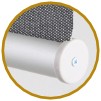 A round bottom bar has a simple, streamlined profile. It creates a softer lower edge and tends to suit modern interiors where the blind hardware should look clean but understated.
It is available in:
- White
- Silver
Teardrop Aluminium Bottom Bar
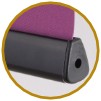 A teardrop bottom bar has a more shaped and distinctive profile. It creates a stronger visual finish and can make the lower edge of the blind feel more deliberate.
It is available in:
- White
- Silver
- Black
The round option is usually better where a subtle metallic detail is preferred. The teardrop option is more suitable where the bottom bar is intended to form part of the overall design, particularly alongside black or contrasting window hardware.
When Is an Aluminium Bottom Bar Worth Choosing?
An aluminium bottom bar is worth considering when the lower edge of the blind will remain clearly visible and you want it to contribute to the overall design.
It can be a good choice where:
- The room has a contemporary or minimalist style
- The blind needs to coordinate with white, silver or black window frames
- Other metal finishes are used in handles, lighting or furniture
- Several blinds are fitted together and need a consistent appearance
- A more defined, architectural finish is preferred
- The standard fabric-covered plastic bar would look too understated
The choice is primarily aesthetic. An aluminium bottom bar does not automatically make the blind perform better, so it is usually best treated as a design upgrade rather than a practical necessity.
When the Standard Plastic Bottom Bar Is the Better Choice
The standard plastic bottom bar is often the best option when you want the blind to look simple, discreet and fabric-led. Because the front is covered by the blind material, it blends into the design rather than introducing a separate metal detail.
It is particularly suitable where:
- The blind fabric should remain the main visual feature
- A subtle domestic finish is preferred
- The window frame and surrounding fittings do not need a matching metal accent
- The rear white plastic will not be prominently visible
- There is no need for a contrasting lower edge
- Keeping the specification straightforward is the priority
For most roller blind installations, the standard plastic bottom bar provides the required weight and stability without drawing attention to the hardware. An aluminium option is only worth adding where its shape, colour or visible finish contributes something specific to the room.
DotcomBlinds Bottom Bar Options
DotcomBlinds roller blinds include a plastic bottom bar as standard. The front half is covered with the selected blind fabric, helping it blend into the overall design, while the rear remains exposed white plastic.
Customers who prefer a visible metal finish can select an aluminium bottom bar instead. The available options are:
- Default plastic bottom bar
- White aluminium round
- Silver aluminium round
- White aluminium teardrop
- Silver aluminium teardrop
- Black aluminium teardrop
The aluminium bottom bars are not fabric covered. They remain fully visible and create a more defined lower edge.
The standard plastic option is suitable for most installations. The aluminium choices are best treated as a visual upgrade for customers who want the blind to coordinate with white, silver or black window frames, fittings or other interior details.
Final Verdict: Do You Need a Blind Bottom Bar?
A roller blind generally needs a bottom bar or weighted lower edge to help the fabric hang straight, remain stable and operate consistently.
For most installations, the standard plastic bottom bar is entirely suitable. It provides the required weight while keeping the lower edge discreet, particularly where the front is covered by the blind fabric.
An aluminium bottom bar is primarily an aesthetic upgrade. Round options create a simple, streamlined finish, while teardrop-shaped bars form a more distinctive lower edge. White, silver and black finishes can also help the blind coordinate with window frames and other interior fittings.
The best choice depends on the appearance you want rather than a major difference in performance. Choose plastic for a subtle, fabric-led finish, or aluminium where the bottom bar is intended to become a visible design detail.