Order Tracking
 0800 1422417
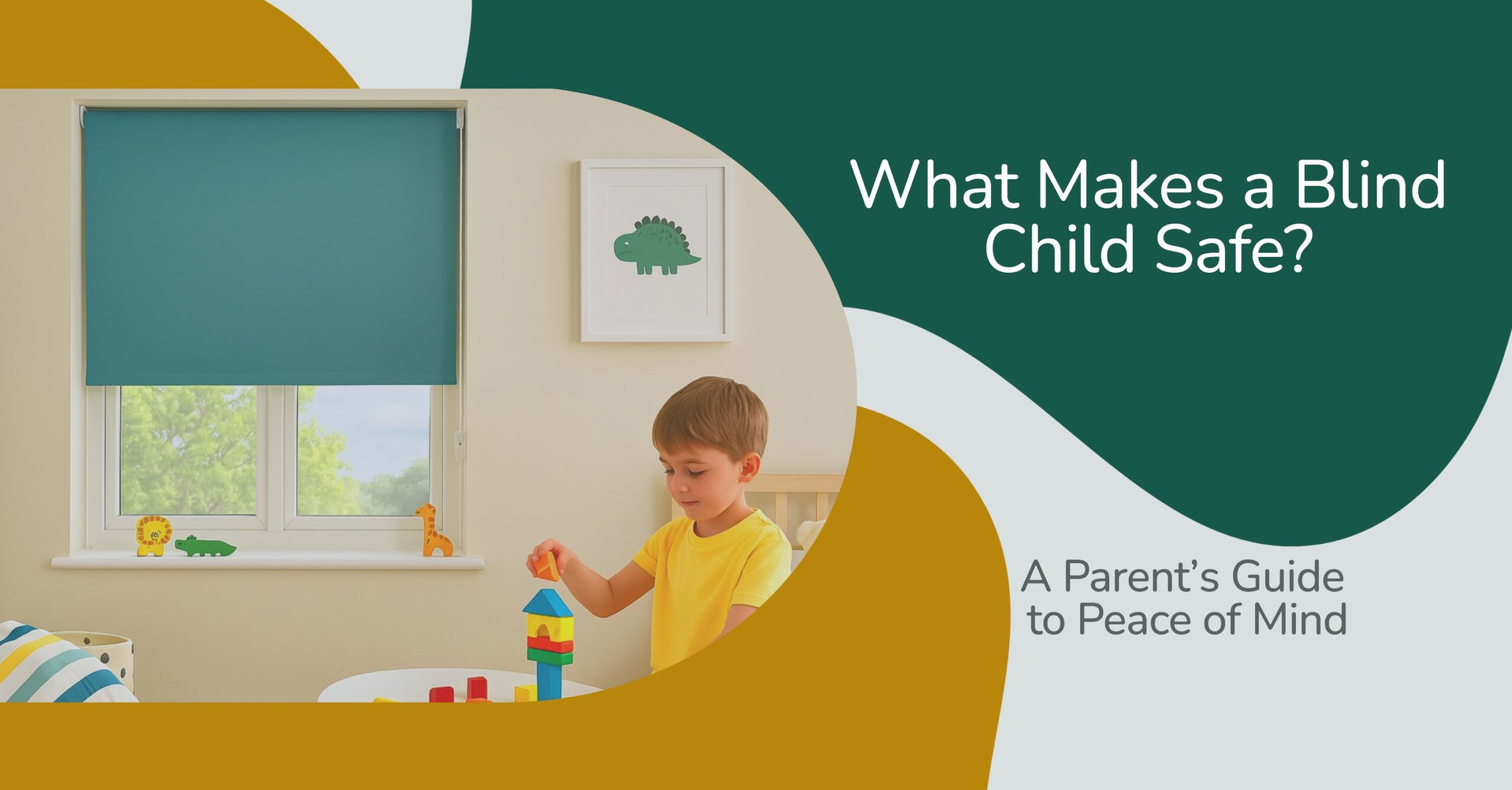
For any parent, creating a safe and comfortable home is always the top priority. From securing furniture to choosing the right toys, every decision is taken with care. Yet one area of the home that many families still overlook is the humble window blind. Although blinds play a big part in how a room looks and feels, some designs can pose a genuine risk to babies and young children if safety hasn’t been properly considered.
Blind cords and chains have been associated with accidents in the past, particularly where older blinds remain in use. This is why child safety requirements for blinds have become much stricter in recent years. Organisations such as the British Blind and Shutter Association’s Make It Safe campaign and UK Government guidance work to ensure parents have clear information and practical advice to keep their homes safe.
The good news is that modern blinds, especially those designed and supplied by responsible UK manufacturers like DotcomBlinds, are far safer than they used to be. Thanks to improvements in design, new safety standards and clever innovations that remove or secure cords, parents can now enjoy stylish blinds without worrying about unnecessary risks.
This guide explains exactly what makes a blind child safe, how to assess the blinds already in your home and which modern features can give you true peace of mind. Whether you’re planning a nursery, updating a family living room or simply want to check your current blinds meet today’s safety expectations, this article will help you make confident, informed choices.
Table of Contents
Understanding the Risk

Before exploring what makes a blind child safe, it’s important to understand why blind safety has become such a significant focus in UK homes. The risk primarily comes from older styles of blinds that use loose cords or looped chains to operate the fabric or slats. While these operating systems were once commonplace, they can pose a real hazard to babies and young children who may become entangled if cords are left hanging within reach.
Young children are naturally curious. They climb, explore and reach for anything that catches their eye. Unfortunately, this means that a blind cord positioned near a cot, bed, windowsill or even a piece of furniture can present a danger long before a parent realises a child can reach it. This risk is widely recognised by safety campaigns such as the British Blind and Shutter Association’s Make It Safe initiative (makeitsafe.org.uk) and by UK Government guidance on blind cords (gov.uk/guidance/child-safety-blind-cords), both of which highlight how easily a looped cord can become hazardous in an everyday family home.
It’s also important to remember that millions of blinds installed before 2014 may not include any form of child safety mechanism. Prior to updated standards being introduced, blinds often came without devices to shorten, tension or secure their cords. In many homes these blinds still operate perfectly well, so they remain in place even though their safety features fall short of what is expected today.
The risk increases when furniture is positioned directly beneath a window. A chest of drawers, sofa, cot or bed can instantly become a climbing platform, giving a child access to cords that previously seemed safely out of reach. This is one of the most common factors in blind cord accidents and a key reason why safety guidance stresses keeping furniture away from windows wherever possible.
Understanding these risks is the first step towards preventing them. Once you know what makes blinds potentially unsafe, it becomes much easier to identify where improvements are needed and which modern alternatives provide the safest environment for your family.
Child Safety Regulations in the UK

To protect families and reduce the risks associated with blind cords, the UK introduced strict child safety requirements in 2014. These rules ensure that any new internal blind supplied or professionally installed in the UK must meet a defined set of safety standards. For parents, this means that modern blinds are considerably safer than older designs, and reputable manufacturers must follow clear, enforceable guidelines.
At the heart of these regulations is the British and European safety standard EN 13120. This standard outlines how blinds should be designed, manufactured and installed to minimise any hazard to children. It includes requirements for cord length, the strength and durability of safety devices and the performance of mechanisms intended to keep cords secure.
Under these rules:
- All new blinds with looped cords must be supplied with integrated safety devices. These devices either remove the loop completely, lock it under tension or break apart under strain to prevent entanglement.
- Cords and chains must not be excessively long. The regulations limit their maximum length so that loops cannot hang at a height accessible to young children.
- Safety devices must be fitted at the point of manufacture or supplied with clear instructions for installation. This ensures that blinds arrive ready to be made safe without the need for additional purchases.
- Installers and suppliers must comply with the legislation. It is illegal to supply or professionally fit an internal blind that does not meet these safety requirements in UK homes.
The regulations also apply to UK-based importers, meaning that blinds manufactured overseas must still meet the same safety criteria before being sold domestically. This offers parents reassurance that any blind purchased from a reputable UK retailer has been assessed for safety and designed with modern, child friendly features in mind.
These measures have significantly improved blind safety across the UK, but they rely on parents knowing what to look for. Understanding these standards helps you make informed decisions when buying new blinds, checking existing ones or choosing a retailer you can trust.
What Makes a Blind Child Safe?

Now that we’ve explored why certain blinds can be dangerous and how UK laws have evolved to protect families, the next step is understanding what truly makes a blind child safe. Modern blind design has moved on significantly, offering parents a wide choice of safe, practical and attractive solutions that remove unnecessary risks while still delivering great style.
Below are the key features that define a genuinely child safe blind.
1. Safe by Design: The Gold Standard for Child Safety
A blind that is safe by design eliminates the hazards altogether. This is the safest option for homes with babies, toddlers or young children, as it removes the need for cords or chains.
Safe by design blinds include:
- Cordless blinds: Raised and lowered using a spring mechanism, hand grip or push up/pull down motion.
- Wand-operated blinds: The blind tilts or moves using a simple wand instead of a cord.
- Motorised blinds: Operated via remote control, a wall switch or smart home integration, making them completely cord free.
- Tension or Perfect Fit style blinds: Clip securely to the window frame and move using a handle, without any loose cords.
These designs significantly reduce the risk of entanglement because there is no loop or cord for a child to grab. For nurseries, children’s bedrooms and playrooms, choosing a safe by design blind offers the greatest peace of mind.
2. Built-In Child Safety Mechanisms
Where a blind does use a cord or chain, it must incorporate specific safety features to ensure it is safe for family homes. Reputable UK manufacturers, including DotcomBlinds, integrate these mechanisms as standard.
Key built-in safety features include:
- Cord and chain length limits: Cords and chains are manufactured to a maximum length so they cannot hang within easy reach of a young child.
- Chain tensioners: Fitted to blinds with looped chains, these devices keep the chain held under tension and prevent a free hanging loop.
- Cord cleats: Installed at least 1.5 metres from the floor, they allow cords to be tightly wrapped and secured in a figure-of-eight pattern when the blind is not in use.
These devices are simple but highly effective when used correctly. They prevent loops from forming, keep cords tidy and ensure they remain out of reach at all times.
3. High-Quality Safety Certification and Testing
A crucial aspect of blind safety is compliance with recognised safety standards. Look for blinds that:
• Comply with EN 13120 child safety requirements
• Have been tested to ensure their safety devices function correctly
• Are supplied by a retailer who follows the Make It Safe guidance from the British Blind and Shutter Association
Choosing blinds that meet these standards means the product has been independently assessed and built with child safety as a priority, not an afterthought.
4. Clear Installation and Use Instructions
Even the safest blind can become a hazard if installed incorrectly. Child safe blinds should always be supplied with clear, easy to follow instructions that explain how to fit safety devices and how the blind should be used day to day.
Reputable brands ensure:
• Safety devices are included in the box
• Instructions clearly show where to position cleats or tensioners
• Parents understand how to operate the blind safely after installation
Good instructions make the difference between a blind being compliant on paper and safe in practice.
A truly child safe blind combines thoughtful design, built-in safety mechanisms and proper installation. By choosing blinds that follow these principles, parents can enjoy a safer home environment without compromising on style or functionality.
Safe Alternatives: Cordless, Motorised and No-Drill Blinds

For many families, the safest approach is to choose blinds that remove the risk at the source. Cordless and motorised blinds, along with a range of modern no-drill systems, offer complete peace of mind because they avoid the need for free hanging cords altogether. These designs are becoming increasingly popular in nurseries, children’s bedrooms and family living spaces, not only for their safety benefits but also for their clean, contemporary look.
Below are the most child friendly blind options available today and why they are ideal for homes with young children.
Cordless Blinds: Simple and Safe by Design
Cordless blinds are one of the safest solutions for any room used by children. Instead of cords or chains, they rely on alternative operating methods such as:
- Spring operation: The blind gently rises or lowers using a controlled spring mechanism.
- Push/pull operation: You simply guide the blind up or down by hand using the bottom bar.
Because these blinds have no loose cords or loops, they naturally remove the most common hazard associated with traditional blinds. This makes them a top choice for nurseries, playrooms and family spaces.
Motorised Blinds: Zero Cords, Maximum Convenience
Motorised blinds take child safety to the highest level by making the entire system cord free. They operate through:
• A handheld remote control
• A wall mounted switch
• Smart home integration or an app
Parents appreciate motorised blinds for their convenience, especially when fitting blinds on high windows, in multi panel rooms or above furniture. Many modern motorised systems are energy efficient, quiet and easy to install, making them a practical upgrade for families wanting both safety and simplicity.
Wand Operated Blinds: A Cord-Free Alternative to Chains
Instead of a chain that tilts or raises the blind, wand operated blinds use a slim wand that rotates or moves the mechanism. This type of operation is particularly popular for Venetian or vertical blinds, allowing precise control over light while preventing any loops or loose cords from forming.
Wand operation combines practicality with peace of mind and is an excellent choice for households seeking a traditional look with modern safety built in.
Perfect Fit, No-Drill and Tension Blinds: Ideal for Family Homes
Perfect Fit, Click Fit, INTU and other tension based blind systems have grown rapidly in popularity because they attach directly to the window frame without drilling or free hanging cords. They sit snugly within the frame and are moved using small handles, making them inherently child safe.
Parents choose them because:
• They cannot swing or dangle
• There are no cords to tangle or pull
• They are easy to fit and remove
• They offer a neat, modern appearance ideal for family homes
These designs are especially well suited to bifold doors, patio doors, conservatories and children’s bedrooms.
Why These Alternatives Are Worth Considering
Cordless, motorised and no-drill blinds offer something invaluable for parents: built in peace of mind. By removing cords entirely, they eliminate the need for additional safety devices or daily checks and ensure the blind remains safe no matter who is using or adjusting it.
DotcomBlinds offers a wide choice of these safer-by-design blinds, combining child friendly operation with high quality materials, contemporary styling and an easy shopping experience. For many families, these modern designs provide the perfect balance of safety, practicality and aesthetics.
How to Make Existing Blinds Safer

While upgrading to cordless or motorised blinds is the safest long term solution, many families still have blinds in their home that use traditional cords or chains. The good news is that there are several simple, effective steps you can take to improve the safety of these blinds straight away. These measures are easy to carry out and can significantly reduce the risk of accidents, especially in rooms used by babies and young children.
Below are the key actions recommended by leading safety campaigns such as Make It Safe (makeitsafe.org.uk) and UK Government guidance (gov.uk/guidance/child-safety-blind-cords).
1. Install Cord Tidies, Chain Tensioners or Cleats
The most important step is to ensure that cords and chains are never left loose or hanging. Safety devices such as P-clips, cord tidies, chain tensioners and cleats are designed to keep cords securely out of reach.
Cord or Chain Tidies / Tensioners
These devices are fitted to the wall or window frame and keep looped cords or chains under tension, preventing a dangerous free hanging loop from forming.
Cord Cleats
A cleat should be fixed at least 1.5 metres from the floor. After every use of the blind, wrap the cord tightly around the cleat in a figure-of-eight pattern. This keeps the entire length of cord secure and out of reach of small hands.
Properly installed safety devices are simple, discreet and highly effective.
2. Keep Furniture Away from Windows
Children are natural climbers, and even well secured cords can become accessible if furniture sits directly beneath a window. Cots, beds, sofas, chairs, toy units and drawers can all become stepping points.
By moving furniture away from blinds, you reduce the chance of a child being able to reach or pull at cords unexpectedly. This small adjustment can greatly improve safety in bedrooms and playrooms.
3. Never Tie Cords Together or Allow Them to Twist
Tying cords together, knotting them or allowing them to twist can unintentionally create larger loops. These loops can tighten under weight or pressure and become hazardous.
Instead, always use the proper safety devices supplied with the blind to secure cords in the correct manner. If any part of the cord appears frayed, knotted or difficult to tidy, consider replacing the blind or upgrading to a safer design.
4. Check Your Blinds Regularly
Blind safety isn’t a one time task. Regular checks ensure safety devices remain secure and cords stay positioned correctly. Every few months:
• Make sure tensioners and tidies have not come loose
• Confirm cleats remain securely fitted at the correct height
• Inspect cords for wear or damage
• Check that no loops have formed during daily use
• Reassess furniture placement, especially in children’s bedrooms
If anything looks unsafe or outdated, taking action sooner rather than later is always best.
5. Avoid Buying Blinds Without Approved Safety Devices
Be cautious when purchasing blinds from unknown online sellers, non-UK suppliers or unverified marketplaces. Blinds bought from these sources may not meet UK child safety requirements and may lack essential safety mechanisms.
Choosing blinds from reputable UK retailers ensures they have been tested, certified and manufactured with modern safety standards in mind.
Making Existing Blinds Safer: A Practical Summary
A quick summary for parents:
✔ Install tidies, tensioners or cleats
✔ Secure cords after every use
✔ Keep furniture away from windows
✔ Never create loops by tying cords together
✔ Check blinds regularly
✔ Upgrade blinds that predate modern safety standards
These steps offer immediate improvements and help keep your home safer while you consider longer term solutions such as cordless or motorised blinds.
When to Replace Your Blinds

Even with safety devices fitted and regular checks in place, there are times when replacing a blind altogether is the safest and most sensible option. Older blinds in particular may lack modern safety features, rely heavily on free hanging cords or simply no longer meet today’s standards. Knowing when it’s time to upgrade ensures your home remains a secure environment for growing children.
Below are the key signs that a blind may need replacing rather than adapting.
1. Your Blinds Were Installed Before 2014
Blinds fitted before the introduction of the 2014 child safety standards are far more likely to have long cords, unsecured loops and no built in safety mechanisms. While some of these blinds can be retrofitted with safety devices, many still fall short of what modern designs offer.
If your blinds are over ten years old, start by assessing whether they meet the safety expectations set out by Make It Safe and UK Government guidance. In many cases, replacing them with safe by design alternatives is the most effective step.
2. There Are Long, Loose or Hard-to-Control Cords
If you notice:
• Long cords that dangle freely
• Chains forming loops even after fitting a tensioner
• Cords difficult to secure or wrap neatly
• Mechanisms that jam, twist or become slack
then the blind may no longer be safe for a home with young children.
Cords should be short, taut and easy to secure. If the blind resists staying safe, upgrading is usually the best option.
3. Safety Devices Are Missing, Damaged or Ineffective
Cord cleats, tensioners and tidies are essential, but they rely on being:
• Correctly installed
• Securely fixed
• In good working condition
If any safety device is broken, cracked, loose or missing altogether, this increases the risk of unsafe cord loops forming.
While you can replace individual devices, repeatedly failing hardware or blinds that cannot accommodate these devices properly should be replaced.
4. The Blind Type Is Inherently Less Safe
Some traditional blind styles rely heavily on cords for both raising and tilting the fabric or slats. Even with safety devices, these designs can require more oversight in family homes.
If a blind in a child’s bedroom or playroom uses:
• Multiple operating cords
• Complex cord junctions
• Loops that reform easily
then safer modern alternatives such as cordless roller blinds, Perfect Fit systems or motorised blinds offer a more reliable long term solution.
5. You’re Struggling to Keep Up with Daily Safety Measures
If securing cords after every use or checking devices regularly is becoming a challenge, this is a sign that a more suitable blind design may be needed. Parents are busy, and consistent manual safety routines can sometimes be overlooked.
Choosing cordless, wand operated or motorised blinds removes this ongoing responsibility and ensures safety is maintained automatically.
6. You Want a Long-Term, Hassle-Free Solution
Ultimately, many families choose to replace blinds simply because modern options offer:
• Improved safety
• Easier operation
• A cleaner appearance
• A better fit for family life
Safe by design blinds require no additional devices or adjustments, making them the simplest and most reliable option over time.
Upgrading unsafe or outdated blinds not only protects children but also improves the overall look and usability of a space. With so many safe, stylish and easy to install options available, replacing older blinds is often the most effective way to create a confidently child friendly home.
Why DotcomBlinds Is a Trusted Leader in Child Safe Blinds
Choosing a child safe blind isn’t just about selecting the right style. It’s also about trusting the company that makes it. DotcomBlinds has long prioritised child safety, ensuring every blind is designed, manufactured and supplied with the highest level of care. For parents, this commitment means you can shop confidently knowing that safety has been built into every step of the process.
Below are the key reasons DotcomBlinds has established itself as a leading, reliable name in child safe window coverings.
A Safety-First Philosophy in Every Product
DotcomBlinds understands that families deserve products they can rely on. That’s why child safety isn’t treated as an optional add on but as an essential part of every blind they offer. From day one, safety devices, compliant mechanisms and child friendly options are included as standard, giving parents reassurance from the outset.
Built-In Safety Mechanisms on Corded Blinds
When blinds do use cords or chains, DotcomBlinds ensures they meet all modern safety expectations, including:
- Cord and chain length limitations
Manufactured to a maximum length to keep controls safely out of reach. - Chain tensioners supplied with all looped chain blinds
These keep chains securely under tension, preventing free hanging loops. - Cord cleats included with all cord operated blinds
Designed to be installed at least 1.5 metres from the floor, ensuring cords can be wrapped neatly and safely after every use.
These mechanisms are simple but critical, and their inclusion shows DotcomBlinds’ commitment to exceeding safety requirements in family homes.
A Wide Range of Safe-by-Design Blinds
For parents seeking the safest possible option, DotcomBlinds offers a comprehensive range of cordless, wand operated and motorised blinds, removing the need for free hanging cords altogether.
Popular child safe styles include:
• Motorised roller blinds
• Wand operated Venetian blinds
• Crank operated blinds
• Tension fit and no-drill options such as Perfect Fit and Click Fit blinds
These designs naturally eliminate the most common hazards and make daily safety checks unnecessary.
Compliance with British and European Safety Standards
DotcomBlinds is a proud participant of the Make It Safe campaign, reinforcing its commitment to child safe design and responsible manufacturing. All suitable products are tested to meet EN 13120 safety requirements, ensuring they comply with the latest UK and EU legislation.
For parents, this means every blind purchased from DotcomBlinds meets strict safety criteria, is manufactured to professional standards and is supplied with the correct safety devices already included.
Clear, Helpful Installation Guidance
Child safety depends on correct installation as much as product design. DotcomBlinds provides clear, easy to follow instructions for fitting cord safety devices such as tensioners and cleats. These guides make it simple for parents and installers to ensure each blind is mounted safely and securely.
DotcomBlinds’ focus on support reflects their wider commitment to making safe blinds straightforward and stress free to install.
Trusted by Thousands of UK Families
With an excellent reputation for customer service, Made to Measure expertise and an in-house UK factory, DotcomBlinds has earned the trust of homeowners across the country. Parents value the company’s transparent approach, high product standards and commitment to safety without compromising on style or functionality.
For families, this offers complete peace of mind: the reassurance that the blinds in your home are designed not only to look great but to help protect the people who matter most.