Order Tracking
 0800 1422417
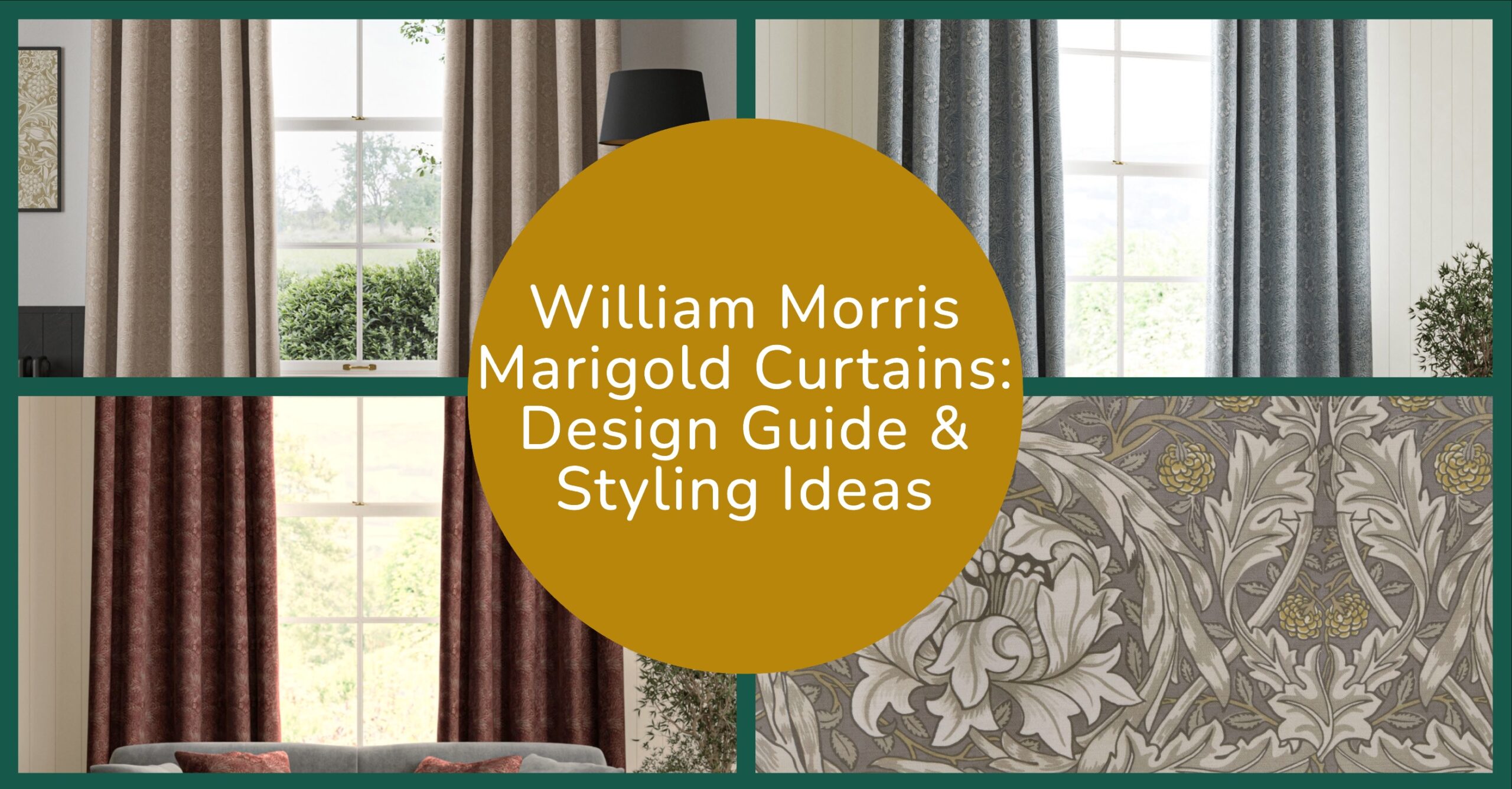
William Morris Marigold curtains are more than a decorative window treatment. They represent a design legacy rooted in craftsmanship, nature, and enduring British style. Originally created in the late 19th century, the Marigold pattern remains one of William Morris’s most recognisable textile designs, valued for its intricate botanical detail and balanced composition.
Today, this heritage design continues to translate effectively into modern interiors. Whether used to create a focal point in a living room or to introduce depth and texture into a bedroom, Marigold curtains offer a considered alternative to trend-led fabrics. Their appeal lies in their ability to feel both traditional and current, depending on how they are styled.
At DotcomBlinds, the William Morris Marigold collection is available in a range of carefully selected fabrics and colourways, allowing you to tailor the look to suit your space. From richer, more dramatic finishes to softer, neutral interpretations, each option retains the integrity of the original design while meeting the expectations of modern, made-to-measure interiors.
In this spotlight, we will explore the history behind the Marigold pattern, how it translates into contemporary homes, and how to choose the right fabric, colour, and finish for your space.
Who Was William Morris? A Brief Introduction
William Morris (1834–1896) was a British designer, writer and social thinker, widely recognised as the leading figure behind the Arts and Crafts movement. His work emerged as a direct response to the rapid industrialisation of the Victorian era, which he believed prioritised mass production over quality, craftsmanship and artistic integrity.
Morris championed a return to traditional techniques, where skilled artisans created products with care and intention. This philosophy shaped his approach to textiles, wallpapers and interiors, where every design was rooted in both function and beauty. Rather than producing decorative pieces for short-term trends, Morris focused on creating patterns that would remain relevant and visually compelling over time.
A defining characteristic of his work is the use of nature as inspiration. His designs often feature layered foliage, flowing stems and repeating floral motifs, all arranged with a sense of rhythm and balance. These elements were not random decoration but carefully structured compositions, reflecting his belief that interiors should feel harmonious and connected to the natural world.
Today, William Morris’s influence remains highly visible across interior design. His patterns continue to be reproduced and adapted for modern use, particularly in textiles such as curtains, where their depth and detail can be fully appreciated. Choosing a Morris design, such as Marigold, is therefore not just an aesthetic decision but one that aligns with a long-standing tradition of quality, craftsmanship and considered design.
The Marigold Design Explained

The Marigold design, created by William Morris in 1875, is a strong example of his ability to combine natural inspiration with structured pattern design. At first glance, it appears richly decorative, but on closer inspection, the composition is carefully controlled, with each element contributing to a balanced and repeatable layout.
The pattern is defined by:
- Flowing, interwoven stems that create movement across the fabric
- Stylised marigold flowers arranged in a symmetrical rhythm
- Dense foliage that fills the space without appearing chaotic
This balance between complexity and order is a key reason the design has remained relevant. Unlike more minimal patterns, Marigold brings visual depth and texture to a room, making it particularly effective when used across larger surfaces such as curtains.
Another important aspect is how the design interacts with colour. The same pattern can feel significantly different depending on the chosen palette. Lighter tones highlight the intricacy of the floral detailing, while darker or more saturated colourways emphasise contrast and create a more dramatic, statement-led look.
From a practical interior perspective, Marigold works well because it sits between two extremes. It is more visually engaging than plain fabrics, yet more structured and timeless than many modern prints. This makes it a reliable choice for homeowners looking to introduce pattern without risking a design that quickly dates.
As a curtain fabric, the scale and repeat of the Marigold design allow it to be appreciated both up close and from a distance, making it suitable for everything from feature windows to full-room schemes.
Why Choose William Morris Marigold Curtains?
William Morris Marigold curtains offer a balance that is often difficult to achieve in interior design: they are visually distinctive without feeling overly trend-driven. This makes them a practical long-term choice for homeowners who want character and depth without needing to update their décor frequently.
Timeless Design Over Trends
Unlike many contemporary prints that follow short design cycles, the Marigold pattern has remained in use for over a century. Its structured botanical layout ensures it does not feel dated, even as interior trends shift. For clients focused on longevity and value, this is a key advantage.
Adds Depth and Visual Interest
Plain curtains can sometimes leave a space feeling flat, particularly in larger rooms. Marigold introduces:
- Layered detailing through foliage and floral elements
- Natural movement through its flowing stems
- A sense of richness without relying on bold colours alone
This makes it especially effective in living rooms and dining areas where visual interest is important.
Flexible Across Interior Styles
While rooted in traditional design, Marigold curtains are not limited to period properties. They can be adapted to suit:
- Classic interiors with wood furniture and warmer tones
- Modern spaces where they act as a contrast to minimal décor
- Transitional schemes that blend traditional and contemporary elements
The key variable is the colourway and fabric choice, which can shift the overall look from subtle to statement.
Works as a Feature or Supporting Element
Depending on how they are styled, Marigold curtains can:
- Act as a focal point in a neutral room
- Complement existing patterns when used alongside textured furnishings
- Provide cohesion in spaces that already incorporate natural materials
This flexibility makes them easier to integrate than many highly patterned fabrics.
A Considered Alternative to Plain or Generic Patterns
From a buying perspective, Marigold curtains sit in a space between:
- Basic, low-impact fabrics
- Highly trend-led or abstract designs
For customers looking to elevate a room without taking unnecessary design risks, they offer a more considered and reliable option.
Overall, choosing William Morris Marigold curtains is less about following a trend and more about investing in a design that delivers consistent visual value across different spaces and over time.
Fabric Options Available at DotcomBlinds

At DotcomBlinds, William Morris Marigold curtains are available in a selection of fabrics that allow you to control not just the appearance of the design, but also how it performs in your space. Choosing the right fabric is a practical decision that affects light control, insulation, texture and overall finish.
Velvet: Depth, Warmth and Light Control
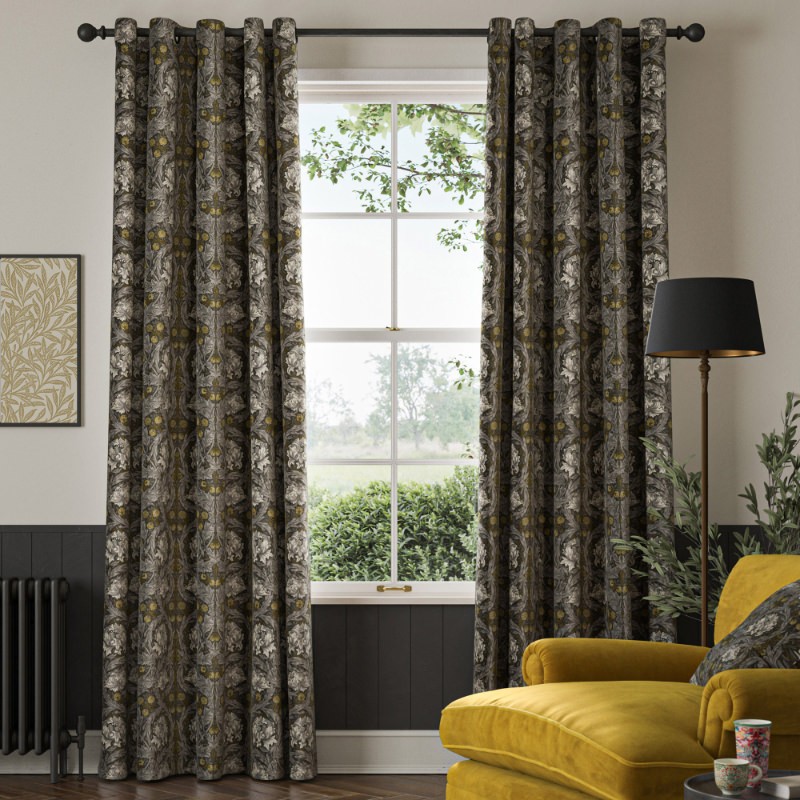
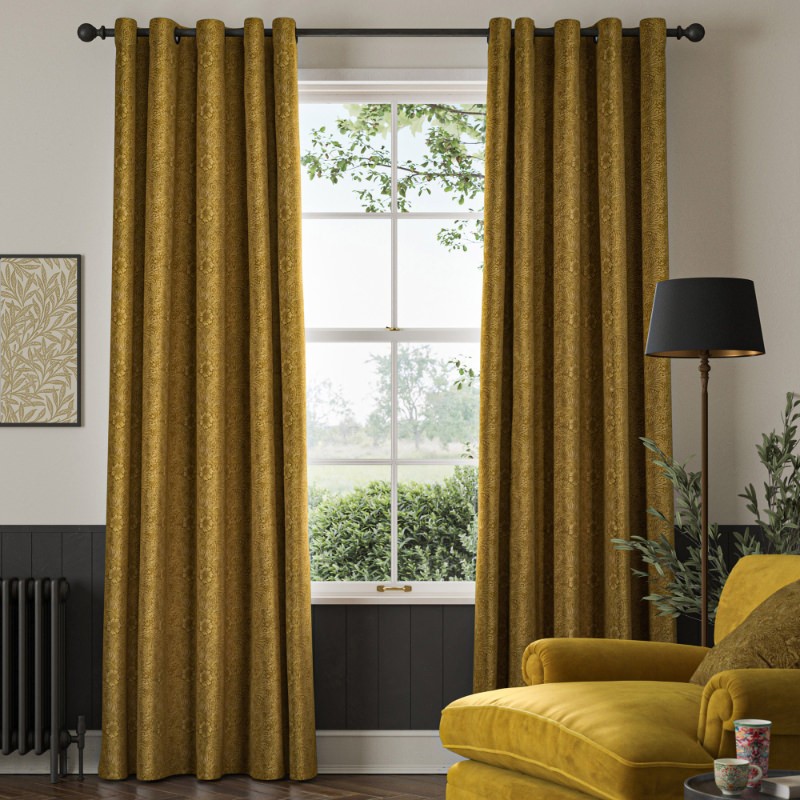
Velvet is the most visually impactful option within the Marigold range. Its dense pile enhances the pattern by adding depth and contrast, particularly in darker colourways.
Best suited for:
- Bedrooms where improved light reduction is needed
- Living rooms aiming for a more premium, layered look
- Period properties or spaces with richer interiors
Key benefits:
- Strong light absorption
- Improved thermal insulation
- More pronounced pattern definition
Velvet works particularly well where curtains are intended to act as a focal point rather than a background element.
Linen: Texture and a More Relaxed Finish
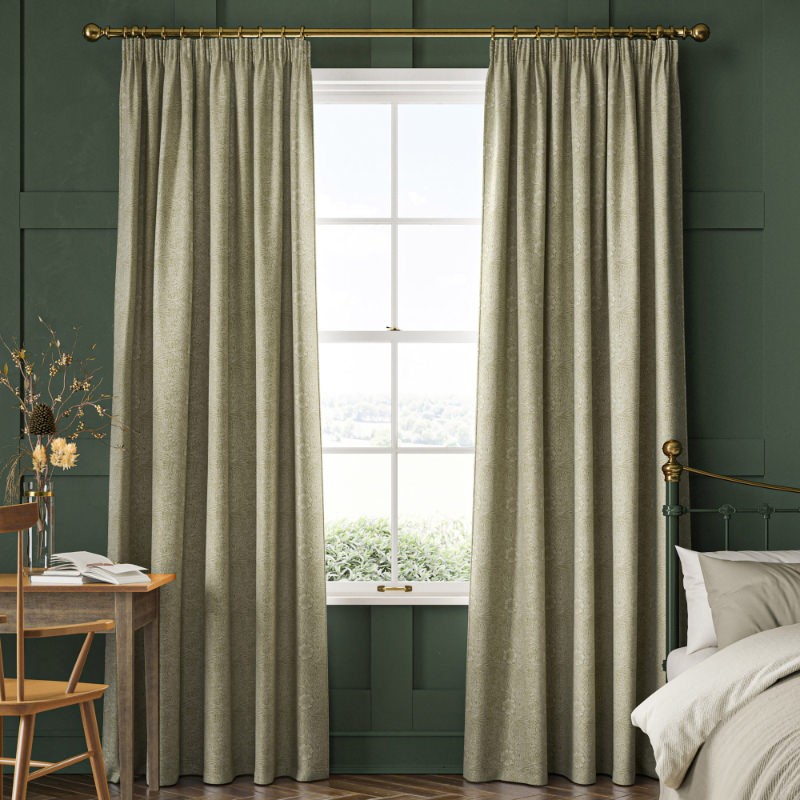
Linen offers a softer, more understated interpretation of the Marigold design. The natural texture slightly diffuses the pattern, making it feel less formal and easier to integrate into lighter interiors.
Best suited for:
- Living spaces with neutral or Scandinavian-style schemes
- Rooms where a lighter, breathable fabric is preferred
- Areas where full blackout is not required
Key benefits:
- Airy, natural appearance
- Subtle texture that complements wood and soft furnishings
- Less visually dominant than velvet
Linen is often the better option when the goal is to introduce pattern without overwhelming the room.
Embroidery: Decorative Detail and Texture
Embroidered versions of the Marigold design add another layer of craftsmanship, with stitched detailing that enhances the pattern’s structure.
Best suited for:
- Feature windows or statement interiors
- Rooms where texture and detail are a priority
- Customers looking for a more decorative finish
Key benefits:
- Tactile, premium feel
- Enhanced pattern visibility through stitching
- Adds depth without relying solely on colour contrast
This option sits between linen and velvet in terms of visual impact, offering detail without the weight of heavier fabrics.
Choosing the Right Fabric for Your Space
From a practical standpoint, fabric selection should be driven by how the room is used:
By aligning fabric choice with both aesthetic preference and functional requirements, you ensure that the Marigold design performs as well as it looks.
Colourways and Their Interior Impact

One of the strengths of the William Morris Marigold curtain collection is that the same heritage pattern can create very different effects depending on the colourway you choose. This is important because colour does more than change the appearance of the fabric. It influences how bold the pattern feels, how much light the curtains absorb visually, and how easily they integrate with the rest of the room.
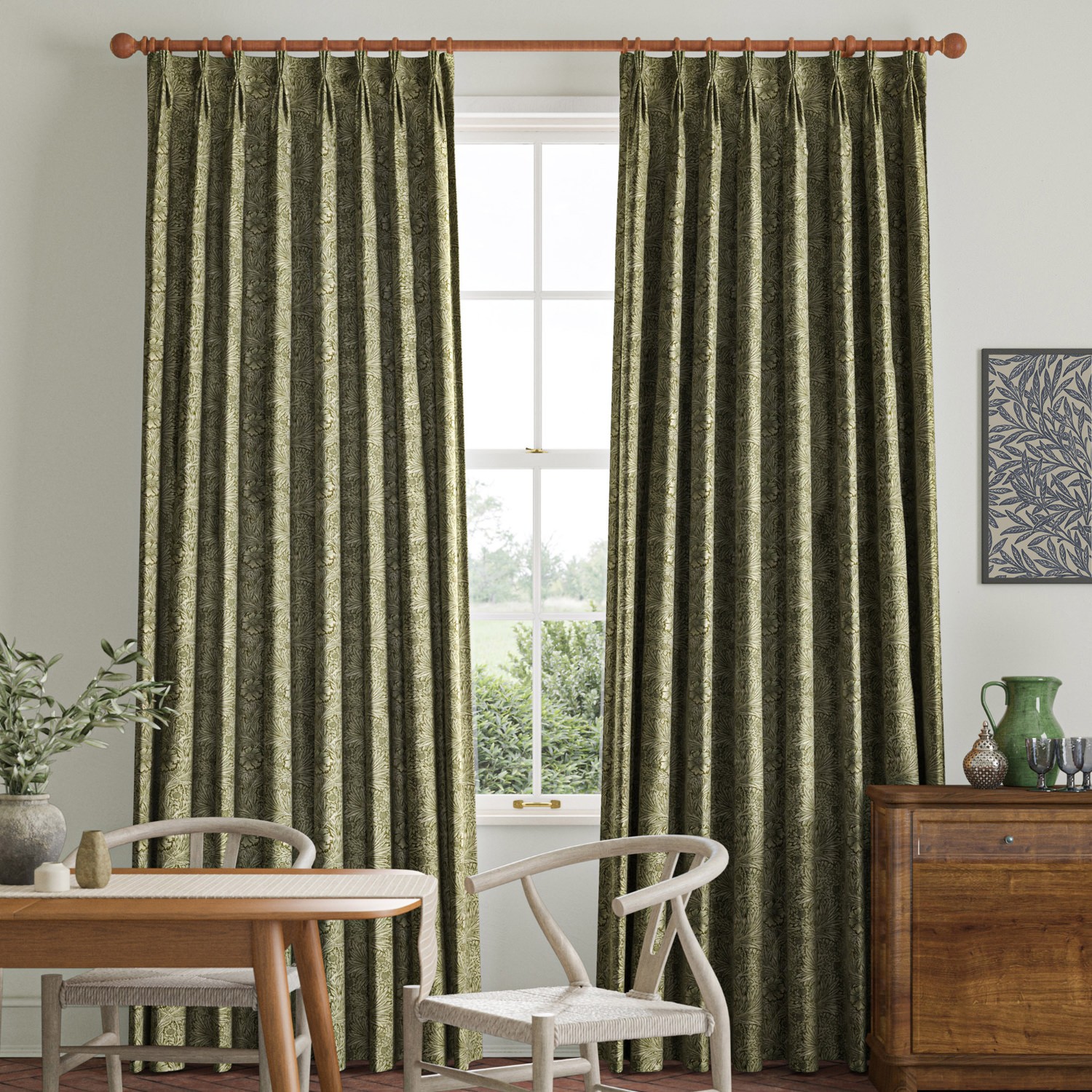
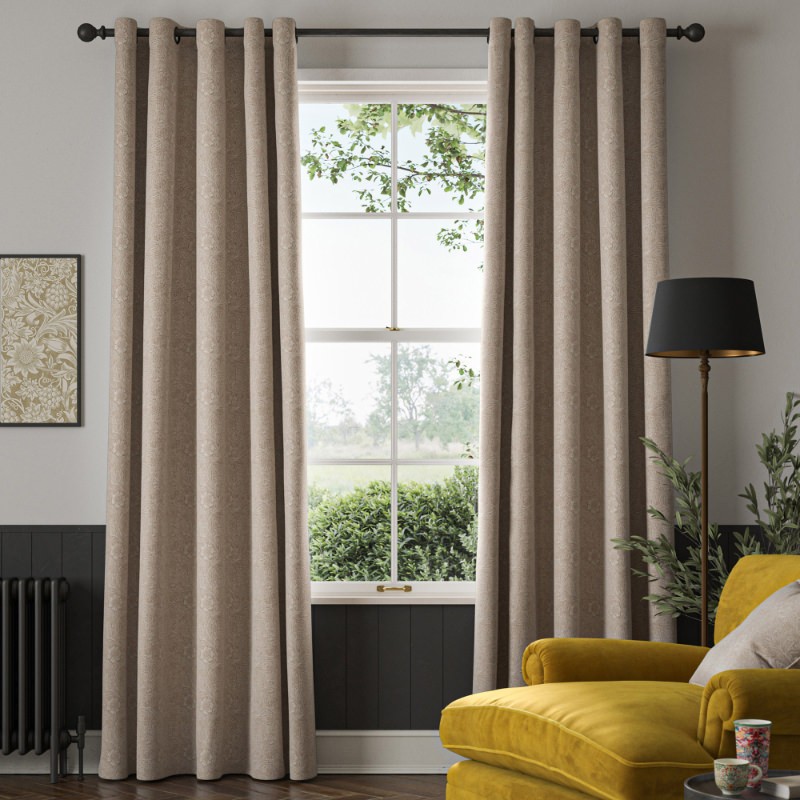
Limestone: Soft and Versatile
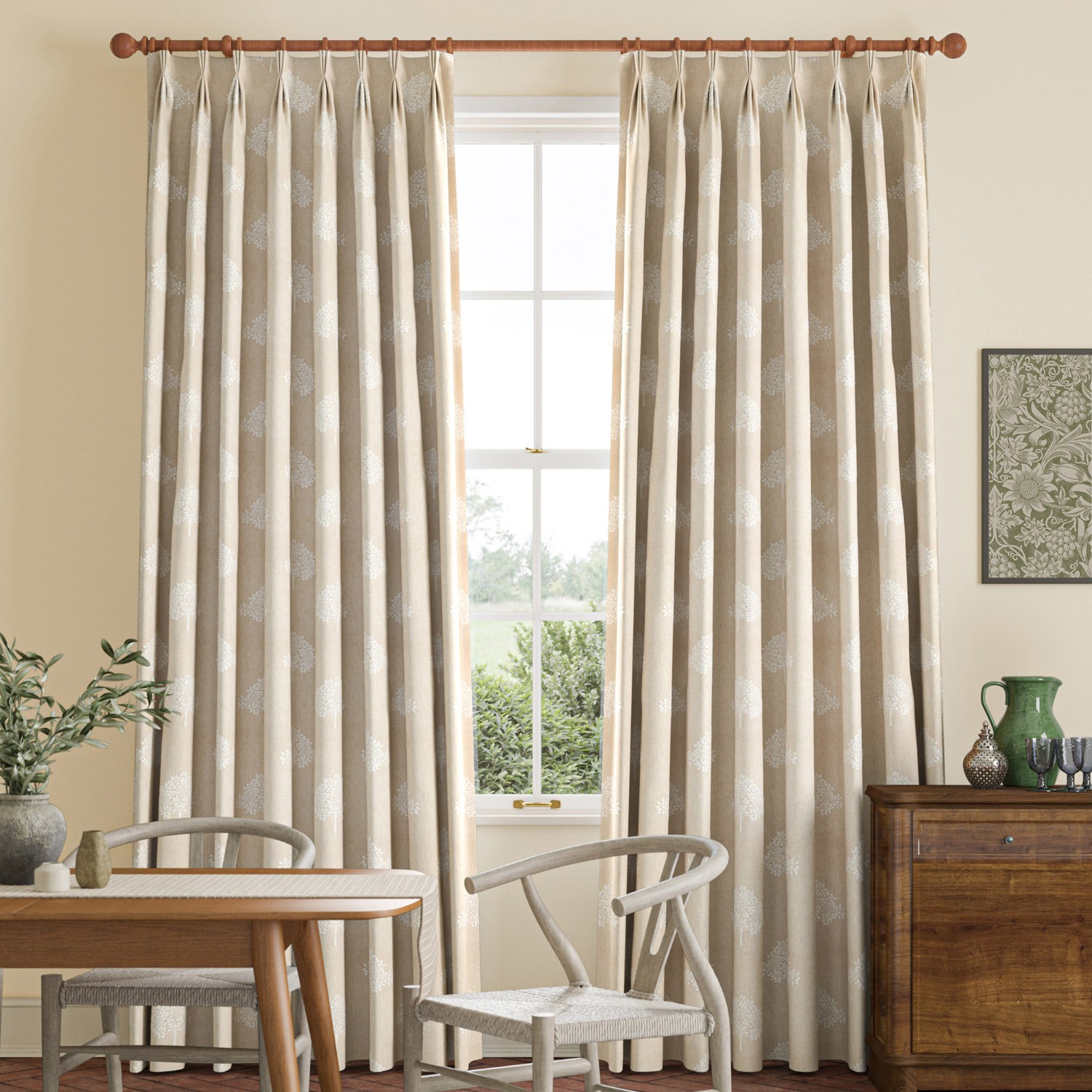
Limestone is the most understated option in the range. Its lighter, more neutral look allows the Marigold pattern to feel elegant rather than dominant, making it a practical choice for rooms where you want detail without overwhelming the space.
Best suited for:
- Neutral interiors
- Smaller rooms that benefit from lighter tones
- Spaces with natural wood, beige or off-white décor
Limestone works well when the goal is to keep the room bright and balanced while still introducing a recognised designer print.
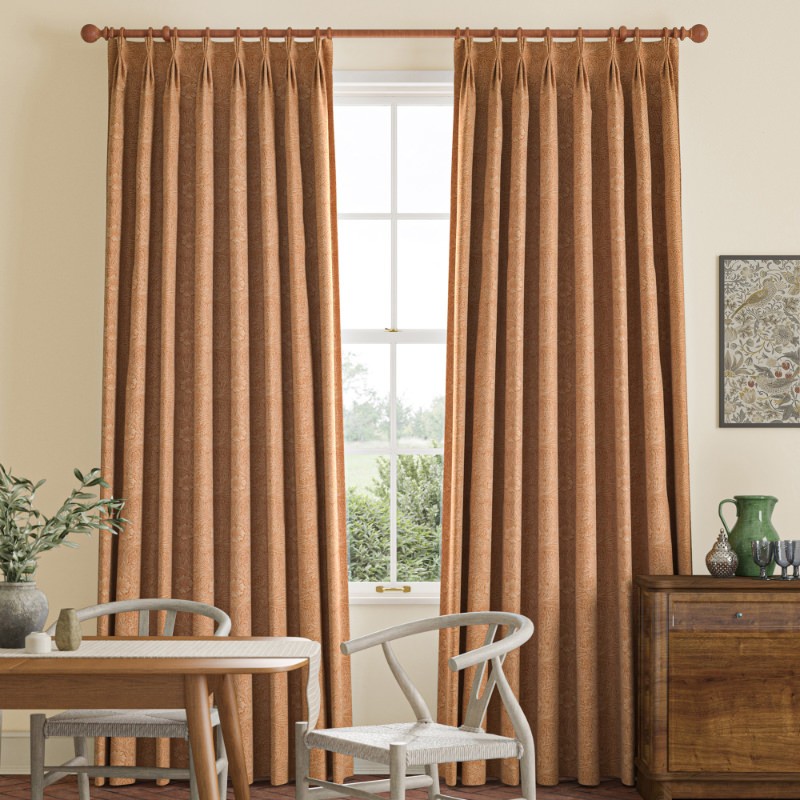
Jute: Warm and Earthy
Jute introduces more warmth and creates a more grounded, organic feel. This colourway works particularly well in interiors that already use natural materials and muted, earthy tones.
Best suited for:
- Living rooms with warm timber furniture
- Dining rooms with classic or rustic styling
- Homes aiming for a softer heritage look
Jute tends to make the Marigold pattern feel cosy and approachable, rather than formal.
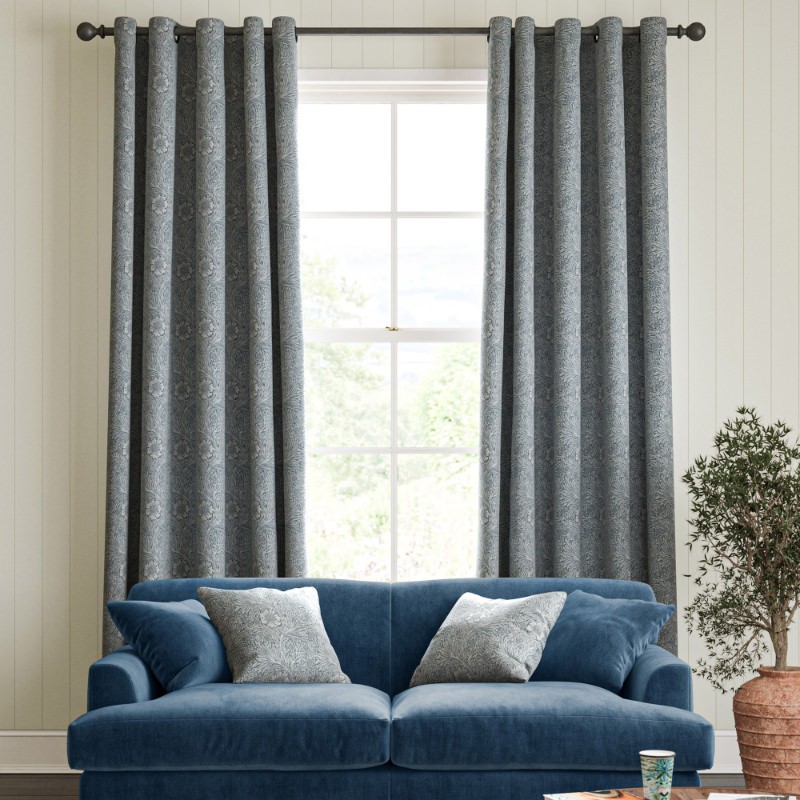
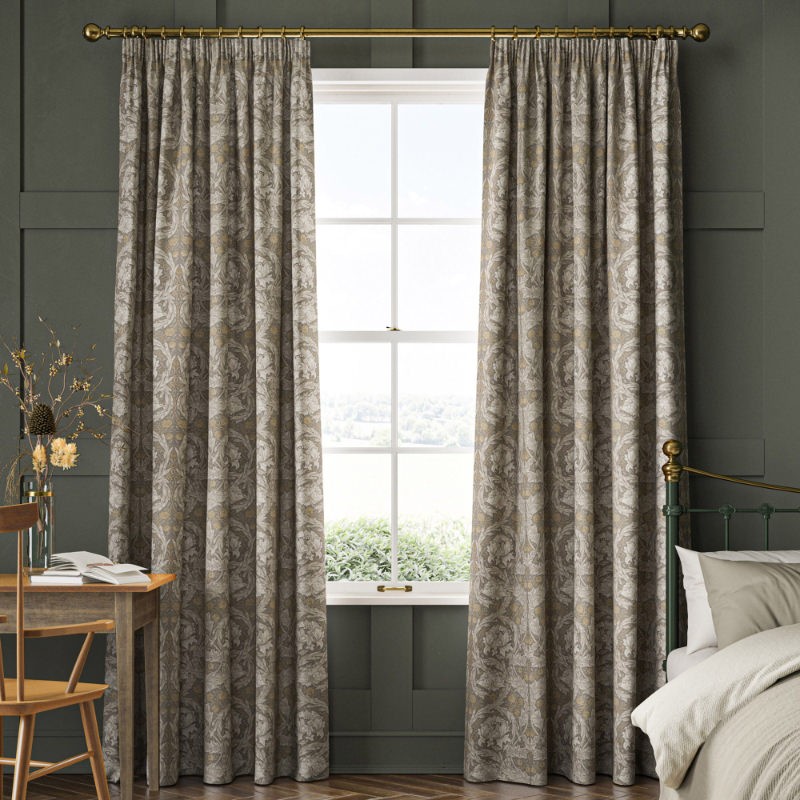
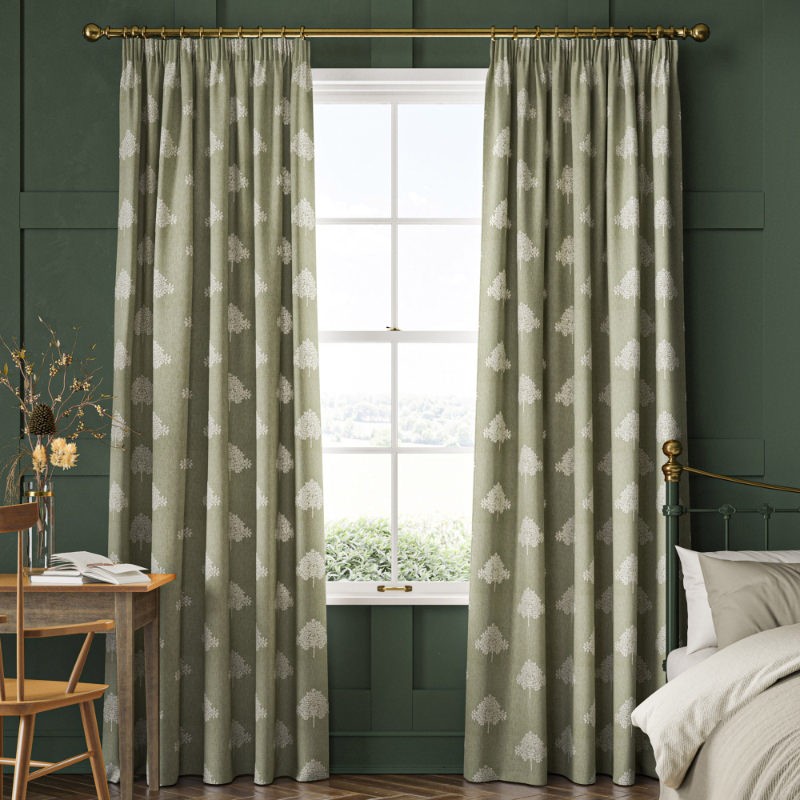
Woad: Heritage Character with Cooler Tones
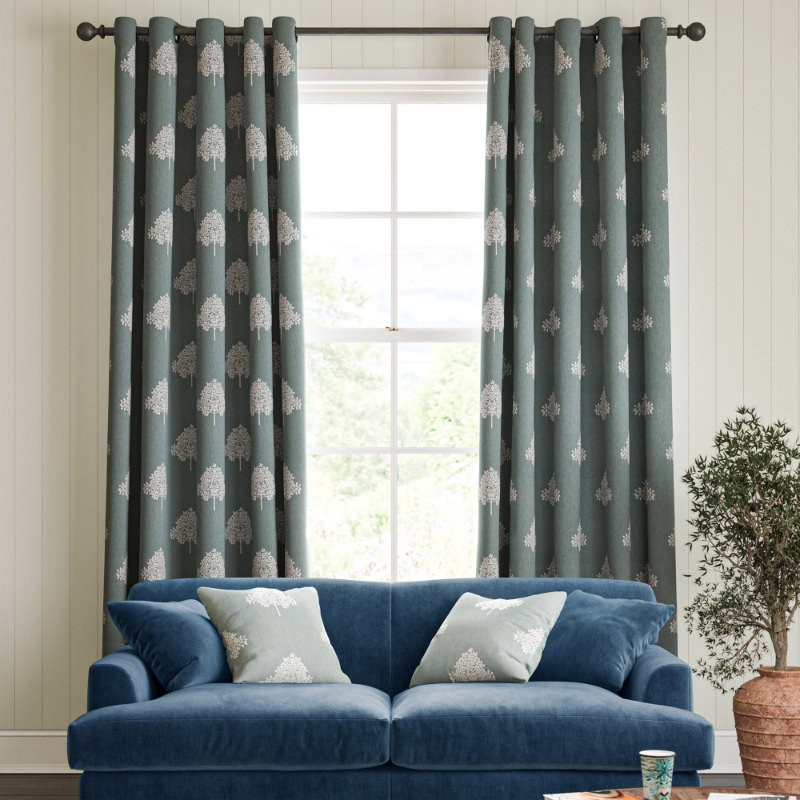
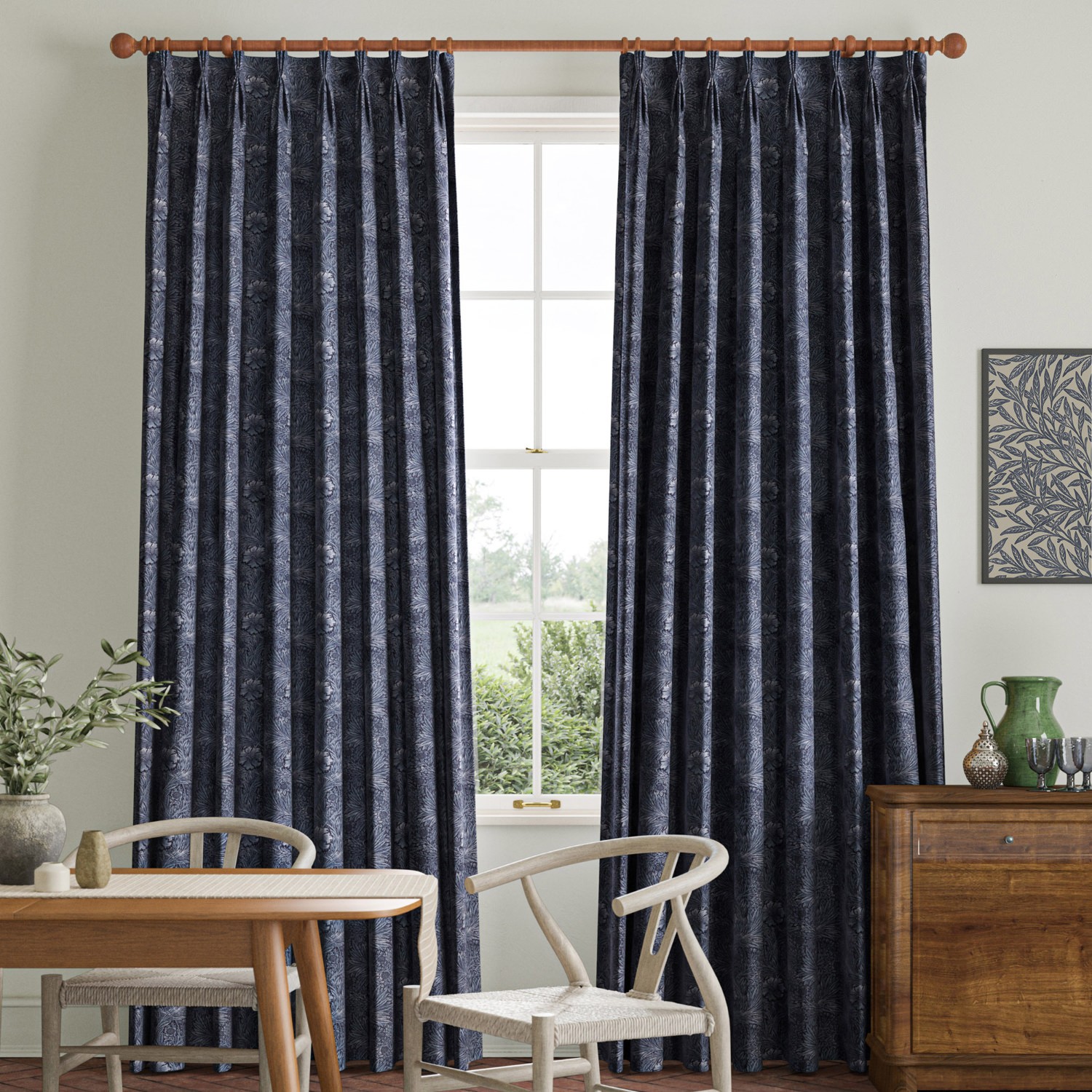
Woad offers a cooler interpretation of the design, often giving the pattern a slightly fresher and more refined appearance. Blue-based tones can also help bridge traditional prints with more modern interior palettes.
Best suited for:
- Bedrooms where a calmer atmosphere is preferred
- Transitional interiors combining classic and contemporary features
- Rooms using muted blues, greys or cooler neutrals
Woad is a strong option for customers who like heritage design but want something less obviously warm or traditional.
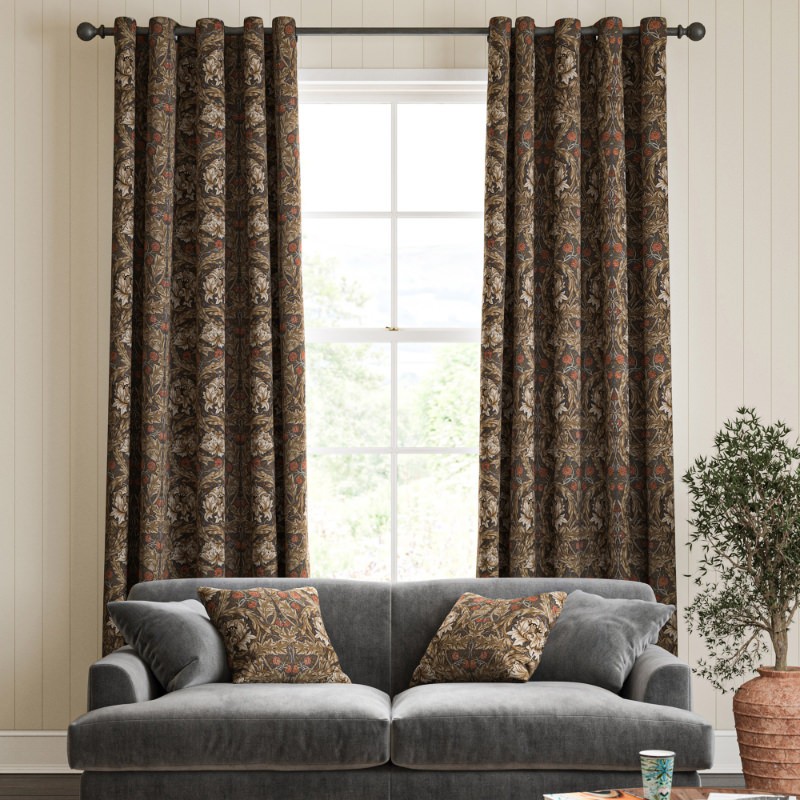
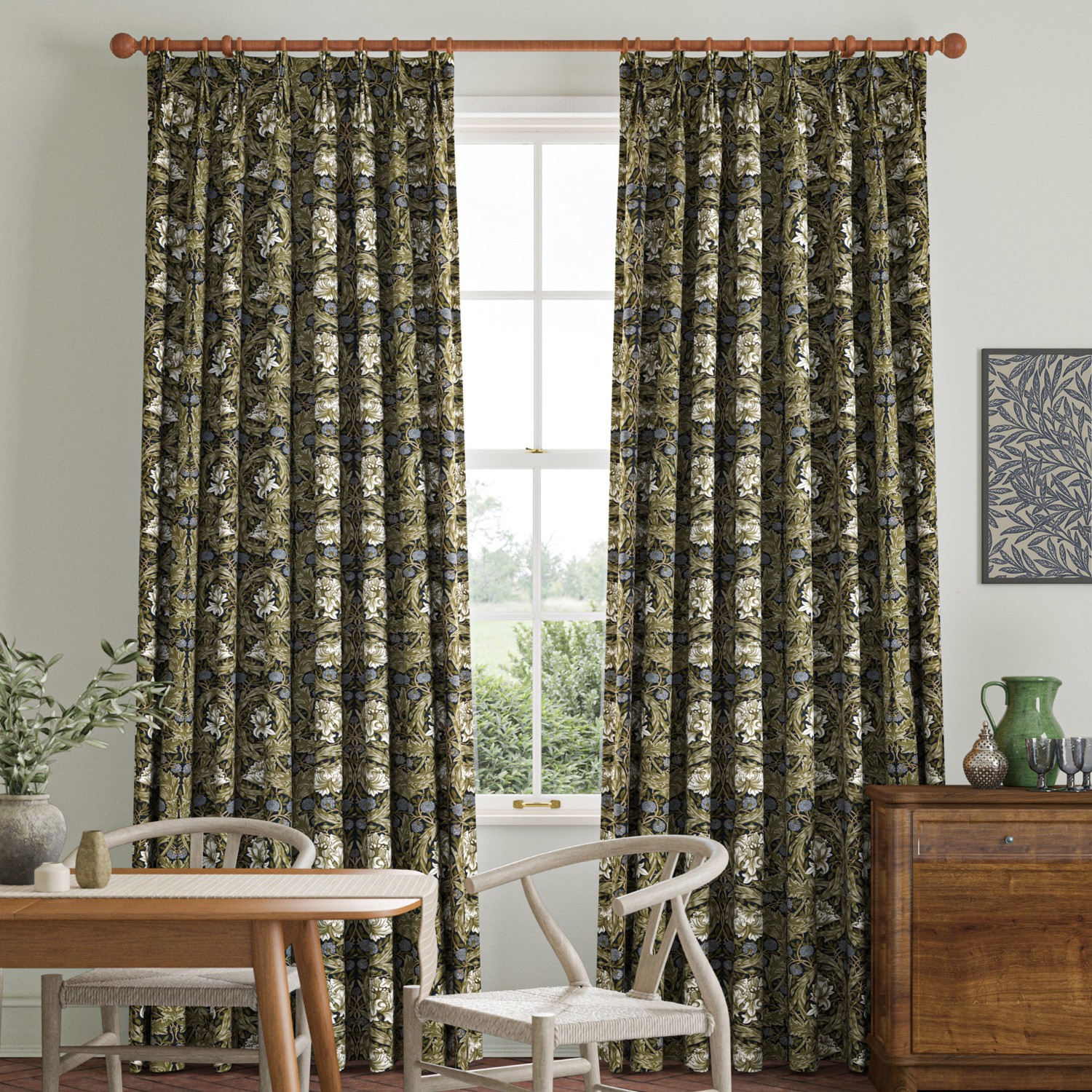
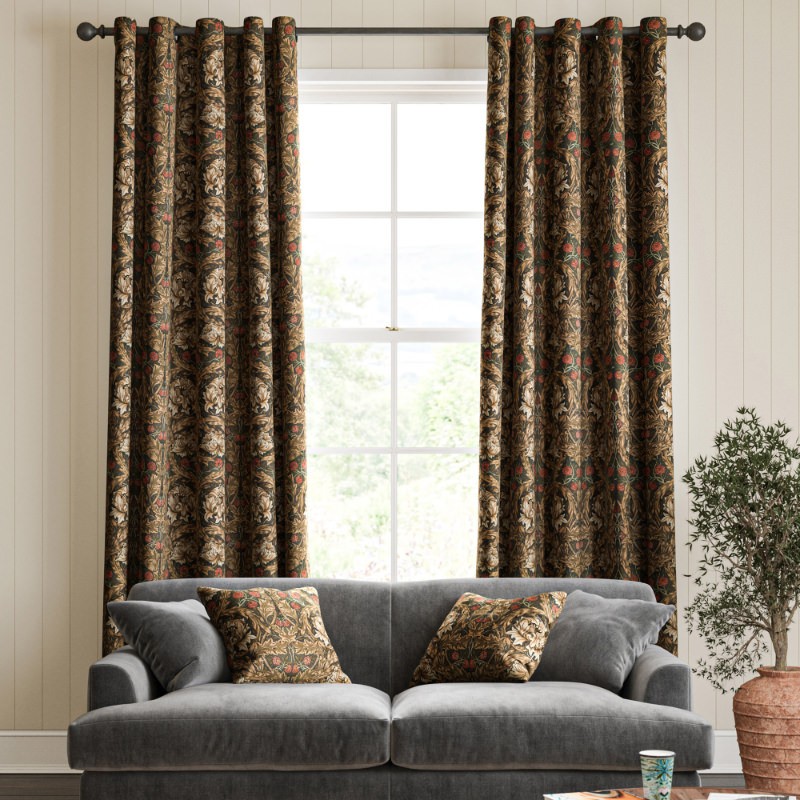
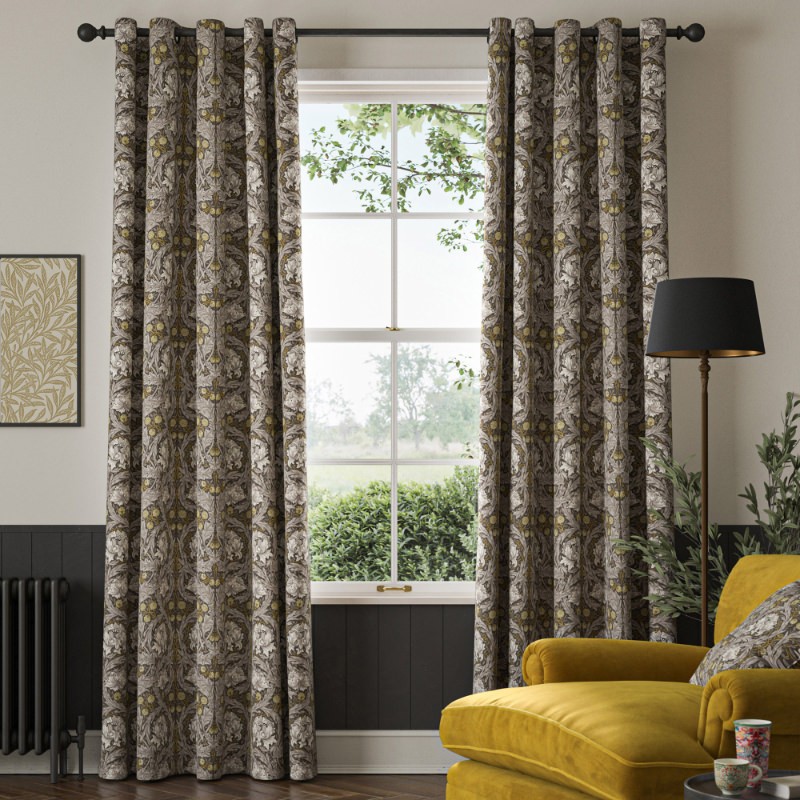
Iron: Dramatic and Statement-Led
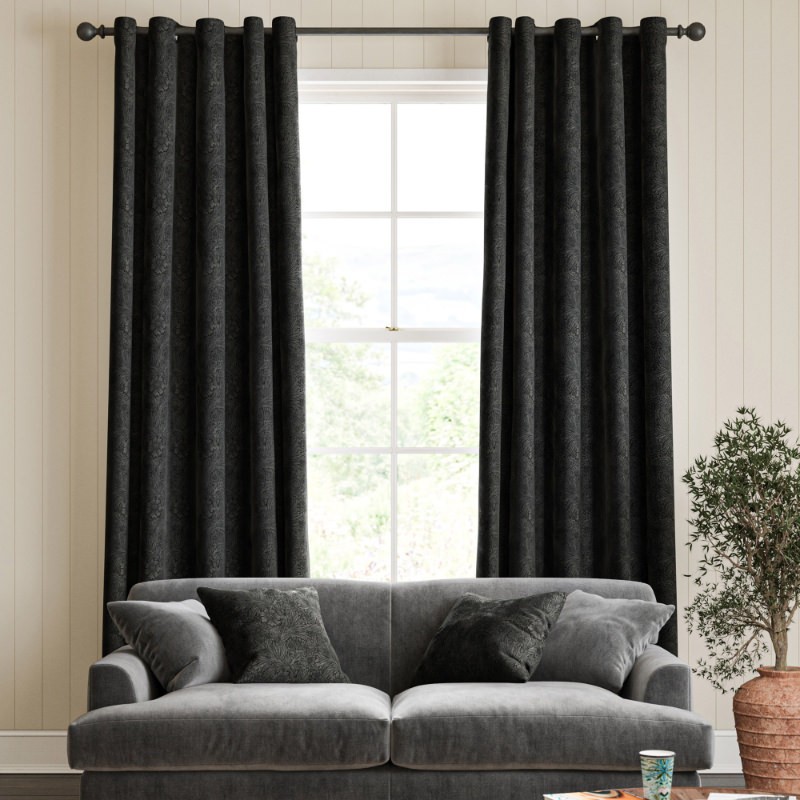
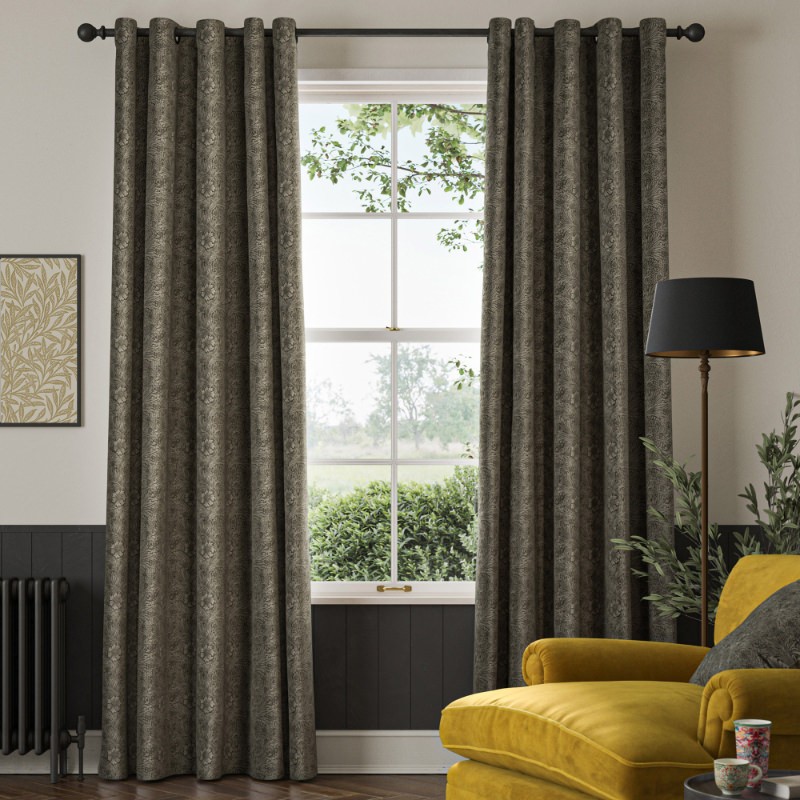
Iron is the boldest of the featured colourways. The darker base gives the pattern more contrast and visual weight, making it especially effective in larger rooms or spaces where the curtains are intended to stand out.
Best suited for:
- Larger living rooms
- Dining rooms with a more luxurious or moody feel
- Interiors that use dark woods, deeper paint colours or metallic accents
Iron can be highly effective, but it generally works best where there is enough natural light or sufficient space to support a darker textile.
How to Choose the Right Colourway
A simple way to decide is to match the colourway to the role you want the curtains to play in the room:
- Choose Limestone if you want a softer, more versatile finish
- Choose Jute if you want warmth and a natural, grounded look
- Choose Woad if you want heritage pattern with a cooler, calmer feel
- Choose Iron if you want the curtains to act as a strong visual feature
In practical terms, lighter colourways tend to make the Marigold design feel more subtle, while darker options increase contrast and create more impact. The right choice depends less on the pattern itself and more on how prominent you want it to be within your overall scheme.
Explore the William Morris Marigold Curtain Range
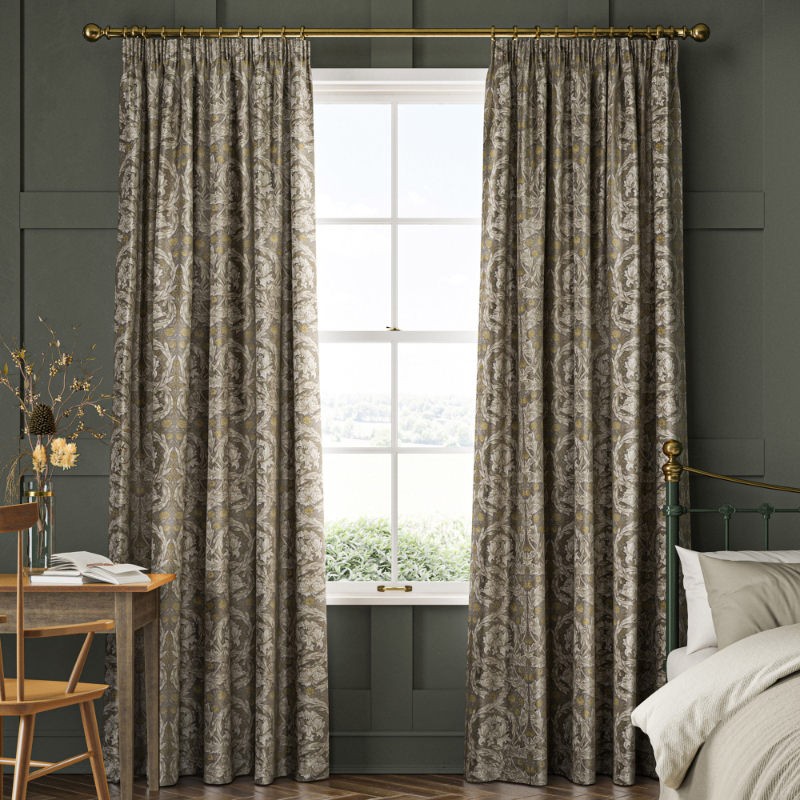
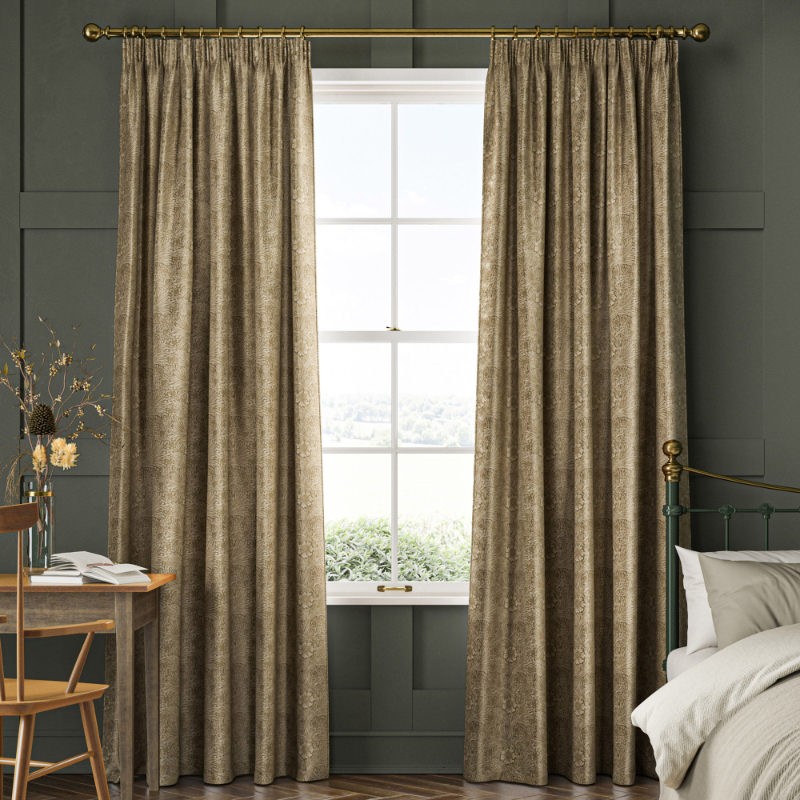
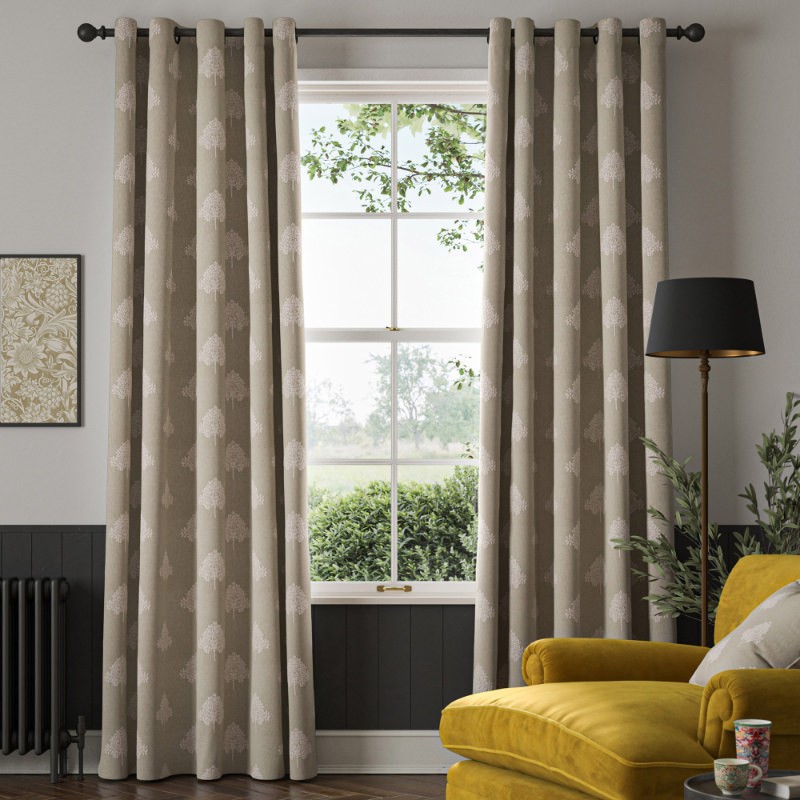
Curtain Heading Options Explained
Choosing the right curtain heading is not just a visual decision. It directly affects how your William Morris Marigold curtains hang, how the pattern is displayed, and how well they integrate with your existing curtain pole or track.
At DotcomBlinds, the most common options for Marigold curtains are pencil pleat and eyelet, each offering a distinct look and practical benefit.
Pencil Pleat: Traditional and Versatile
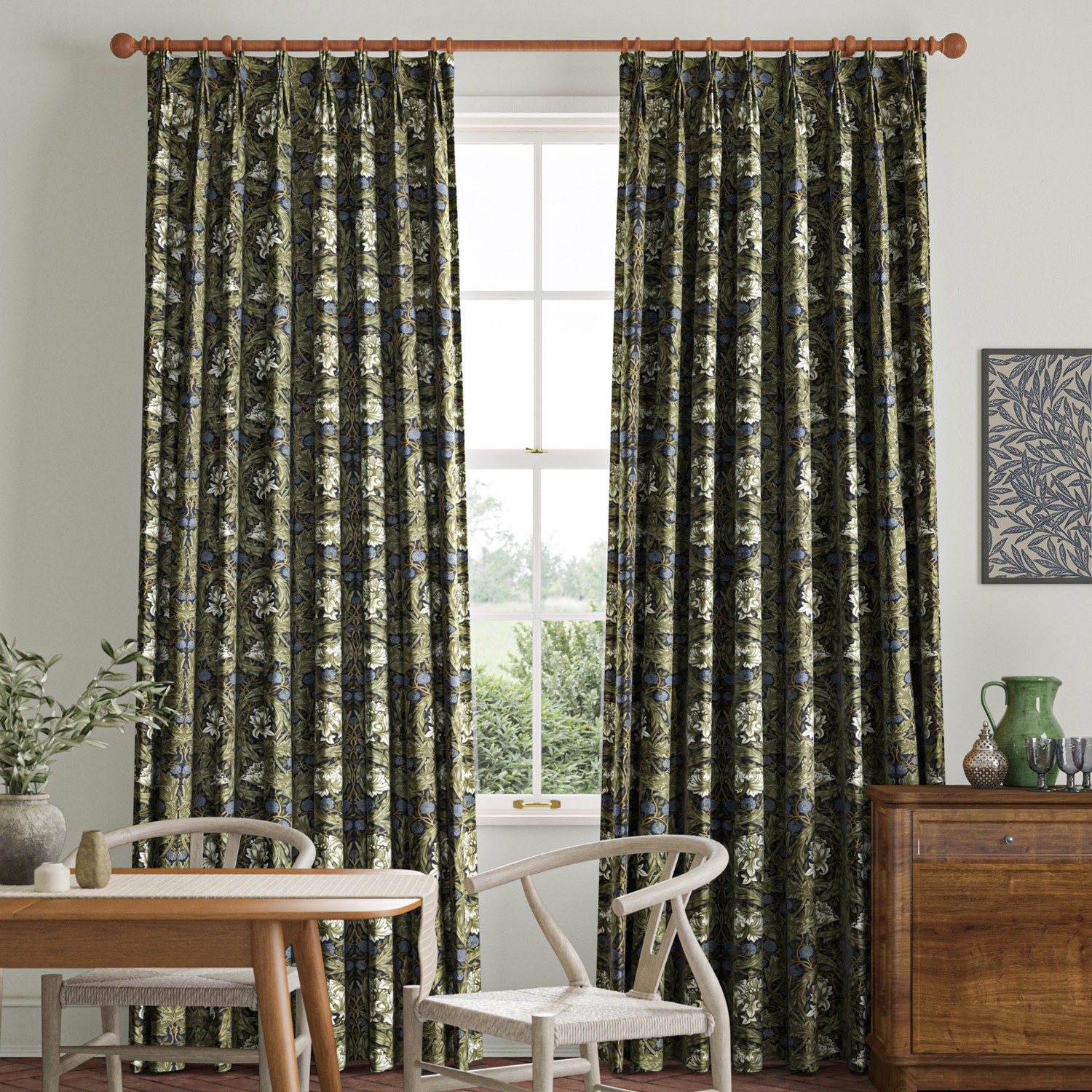
Pencil pleat headings create a gathered, fabric-rich appearance using tightly spaced folds. This style works particularly well with detailed patterns like Marigold, as it allows the design to flow naturally across the curtain.
Best suited for:
- Traditional or period-style interiors
- Homes with curtain tracks or poles
- Customers who want a softer, more classic drape
Key advantages:
- Flexible fitting (works with both tracks and poles)
- Creates a fuller, more layered look
- Complements heritage designs like William Morris patterns
From a design perspective, pencil pleat tends to soften the pattern slightly due to the folds, which can make busier prints feel more balanced.
Eyelet: Clean and Contemporary
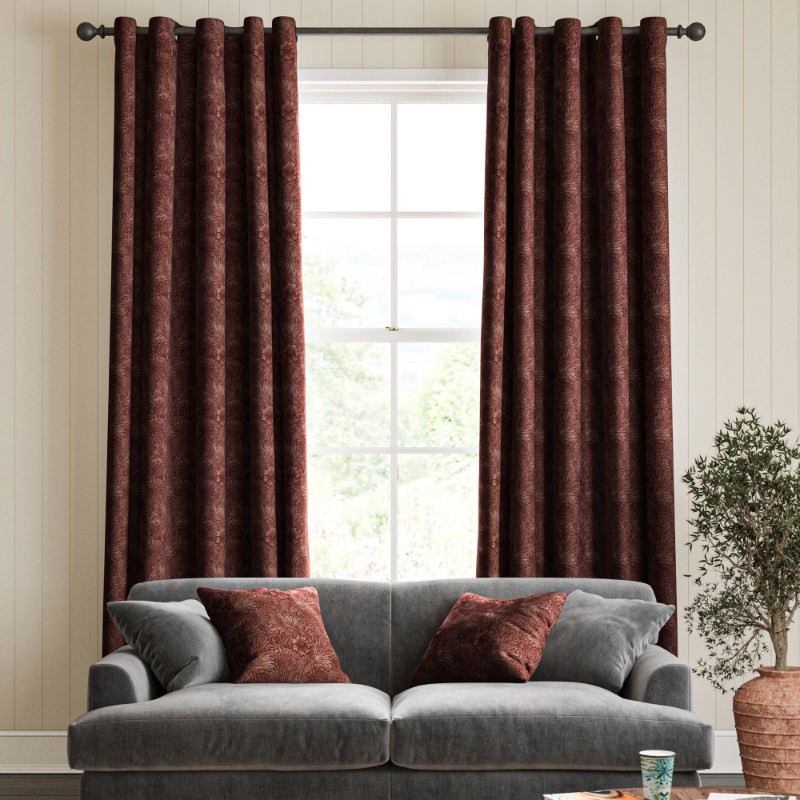
Eyelet curtains feature evenly spaced metal rings that slide directly onto a curtain pole. This creates wider, more uniform folds, giving the curtains a cleaner and more structured appearance.
Best suited for:
- Modern interiors
- Simpler or more minimal room designs
- Customers who prefer a neat, symmetrical finish
Key advantages:
- Easy to install and operate
- Consistent, even draping
- Allows more of the pattern to remain visible
Because the folds are broader and more uniform, eyelet headings tend to showcase the Marigold design more clearly, making them a good choice when you want the pattern to stand out.
Which Heading Should You Choose?
The decision should be based on both your interior style and your existing hardware:
- Choose pencil pleat if you want a more traditional, softer look or need compatibility with a curtain track
- Choose eyelet if you want a modern finish and are using a curtain pole
In practical terms, pencil pleat offers more flexibility, while eyelet delivers a cleaner, more contemporary aesthetic. Both work effectively with the Marigold design, but they influence whether the pattern feels more relaxed or more defined within the space.
Styling Ideas: How to Use Marigold Curtains in Your Home

William Morris Marigold curtains are versatile enough to work across a range of interior styles, but how they are styled will determine whether they feel subtle, balanced or statement-led. The key is to treat them as part of a wider scheme rather than an isolated feature.
Living Rooms: Create a Defined Focal Point
In living spaces, Marigold curtains work best when they are allowed to stand out slightly. This does not mean overpowering the room, but rather anchoring the design.
Practical approach:
- Pair with neutral walls (off-white, soft grey, muted beige)
- Use natural materials such as wood flooring or linen upholstery
- Keep surrounding patterns minimal to avoid visual clutter
This allows the detail of the Marigold design to add interest without competing with other elements.
Bedrooms: Balance Pattern with Comfort
In bedrooms, the focus should shift slightly towards comfort and atmosphere. Marigold curtains can still be used effectively, but they should feel more integrated into the space.
Practical approach:
- Combine with blackout lining for improved sleep quality
- Use softer colourways such as limestone or woad for a calmer feel
- Layer with plain bedding and textured throws rather than additional patterns
This creates a more relaxed environment while still benefiting from the design’s visual depth.
Dining Rooms: Reinforce a Heritage Aesthetic
Dining rooms are one of the most natural settings for William Morris designs. The Marigold pattern aligns well with more traditional or character-led interiors.
Practical approach:
- Pair with darker woods or classic furniture styles
- Use warmer tones such as jute or deeper colourways
- Incorporate complementary elements like brass or antique finishes
This helps create a cohesive, considered look that feels intentional rather than decorative.
Modern Interiors: Use Contrast Strategically
Marigold curtains can also work in more contemporary homes, but the approach needs to be controlled. The goal here is contrast rather than cohesion.
Practical approach:
- Use the curtains as the primary pattern in an otherwise minimal space
- Stick to a limited colour palette across the room
- Avoid introducing multiple competing prints
This creates a cleaner, more curated look where the curtains provide character without disrupting the overall simplicity.
Key Styling Principle
Regardless of the room, the most effective way to use Marigold curtains is to let them lead one aspect of the design, either through pattern or colour, while keeping the rest of the space relatively controlled.
This ensures the curtains enhance the room rather than overwhelm it, maintaining the balance that makes William Morris designs so enduring.
Made-to-Measure Benefits at DotcomBlinds
Choosing William Morris Marigold curtains as a made-to-measure product, rather than an off-the-shelf option, has a direct impact on both the appearance and performance of the finished result. While ready-made curtains can be convenient, they often involve compromises that are noticeable once installed.
Precision Fit for a Cleaner Finish
Made-to-measure curtains are produced to your exact window dimensions. This avoids common issues such as:
- Curtains that are too short or pooling excessively
- Insufficient width, leading to gaps when closed
- Poor alignment with curtain tracks or poles
A precise fit ensures the Marigold pattern is displayed correctly and the curtains hang as intended.
Better Light Control and Privacy
Accurate sizing plays a key role in how well curtains perform. With made-to-measure:
- There is improved coverage across the full window width
- Reduced light leakage at the sides
- Greater control over privacy, particularly in overlooked spaces
When combined with the right fabric choice, this leads to a more effective overall solution.
Fabric and Finish Tailored to Your Space
Off-the-shelf options typically limit you to standard sizes and finishes. In contrast, made-to-measure curtains allow you to select:
- Fabric type (e.g. velvet, linen, embroidery)
- Colourway that matches your interior
- Heading style suited to your hardware
This ensures the final product aligns with both the practical requirements and the visual direction of the room.
Designed for Long-Term Use
A better fit and higher level of customisation generally result in a product that performs more consistently over time. This includes:
- Improved durability through correct installation
- Reduced need for adjustments or replacements
- A more considered, finished appearance
For customers focused on long-term value, this is often more cost-effective than replacing poorly fitting ready-made curtains.
Supported by Experience and Customer Care
DotcomBlinds combines made-to-measure production with a focus on customer service. This includes:
- Clear guidance during the measuring and ordering process
- A straightforward online experience
- A track record of positive customer feedback
With a 4.6/5 rating on Feefo from over 1500 verified reviews, the emphasis is on delivering a product that meets expectations both in quality and service.
Why It Matters for Marigold Curtains
With a detailed and structured pattern like William Morris Marigold, precision is particularly important. A well-fitted curtain ensures:
- The pattern repeat is not distorted
- The fabric hangs evenly across the window
- The overall design impact is maintained
In practical terms, made-to-measure is not just a premium option, it is the approach that allows the design to perform as intended within your space.
Are William Morris Marigold Curtains Right for You?

William Morris Marigold curtains are not a one-size-fits-all solution. While they offer strong design value, they are best suited to specific types of interiors and customer preferences. Understanding where they work best, and where they may not, helps ensure a more considered purchase.
Well Suited For: Heritage and Character-Led Interiors
If your space already incorporates traditional elements such as wood flooring, classic furniture or period features, Marigold curtains are a natural fit. The pattern complements:
- Victorian and Edwardian properties
- Country-style interiors
- Homes with layered textures and warmer tones
In these settings, the curtains feel cohesive rather than decorative.
A Strong Option for Statement Features
Marigold curtains are particularly effective when used as a focal point. They work well if you:
- Want to introduce pattern into a largely neutral room
- Need to add visual weight to a larger space
- Prefer design features that draw attention without being overly bold or abstract
This makes them a practical choice for living rooms and dining areas where impact matters.
Suitable for Quality-Focused Buyers
Customers who prioritise longevity over short-term trends are more likely to benefit from this design. Marigold offers:
- A proven, time-tested pattern
- Compatibility with a wide range of interiors
- A design that does not require frequent updating
This aligns well with buyers who are investing in a more permanent interior scheme.
Less Suitable for Highly Minimal Interiors
In very minimal or ultra-modern spaces, Marigold curtains may feel too detailed or traditional. If your interior relies on:
- Clean lines with little to no pattern
- Monochrome or highly simplified colour schemes
- A deliberately understated aesthetic
Then a plain or more subtle textured fabric may be more appropriate.
Consider the Scale of the Room
Because Marigold is a detailed pattern, it generally performs better in:
- Medium to large rooms where it has space to be appreciated
- Areas with sufficient natural light
In smaller or darker spaces, a lighter colourway or a less dense fabric can help prevent the room from feeling too heavy.
Final Consideration
William Morris Marigold curtains are best viewed as a design-led choice rather than a purely functional one. If you value pattern, heritage and visual depth, they are a strong option. If your priority is simplicity and minimal distraction, a more understated alternative may deliver better results.
Making the right decision comes down to how prominent you want your window treatment to be within the overall room design.
Explore William Morris Marigold Curtains at DotcomBlinds
If you are considering William Morris Marigold curtains for your home, the next step is to explore how the design translates across different fabrics, colourways and finishes. Seeing the available options side by side makes it easier to identify what will work best for your specific space.
At DotcomBlinds, the Marigold collection is available as a made-to-measure solution, allowing you to tailor:
- Fabric type based on light control and texture
- Colourway to suit your interior palette
- Curtain heading to match your existing setup
This level of flexibility ensures that the final product is aligned with both the visual and practical requirements of your room, rather than forcing a compromise with standard sizing or limited options.
Beyond the product itself, DotcomBlinds focuses on delivering a straightforward buying experience. The ordering process is designed to be clear and user-friendly, supported by guidance on measuring and product selection. This reduces the risk of common issues and helps ensure the finished curtains perform as expected once installed.
With a 4.6 out of 5 rating on Feefo based on over 1500 verified reviews, the emphasis is on consistent product quality and reliable customer service. For customers investing in a design-led product such as William Morris Marigold curtains, this level of trust is an important part of the decision-making process.
Exploring the full range allows you to move from inspiration to a finished, made-to-measure solution that reflects both the heritage of the design and the needs of a modern home.